
Last updated November 15, 2026
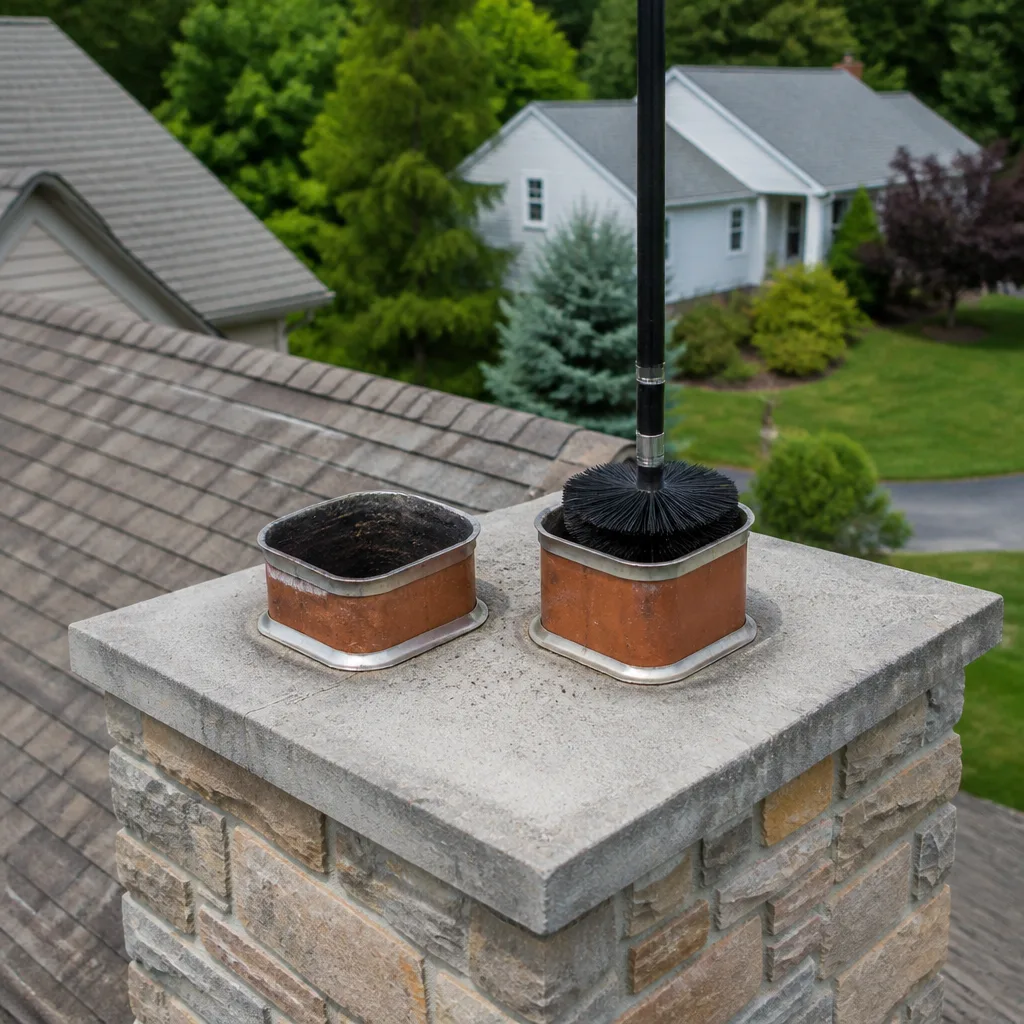 Sweep & inspection
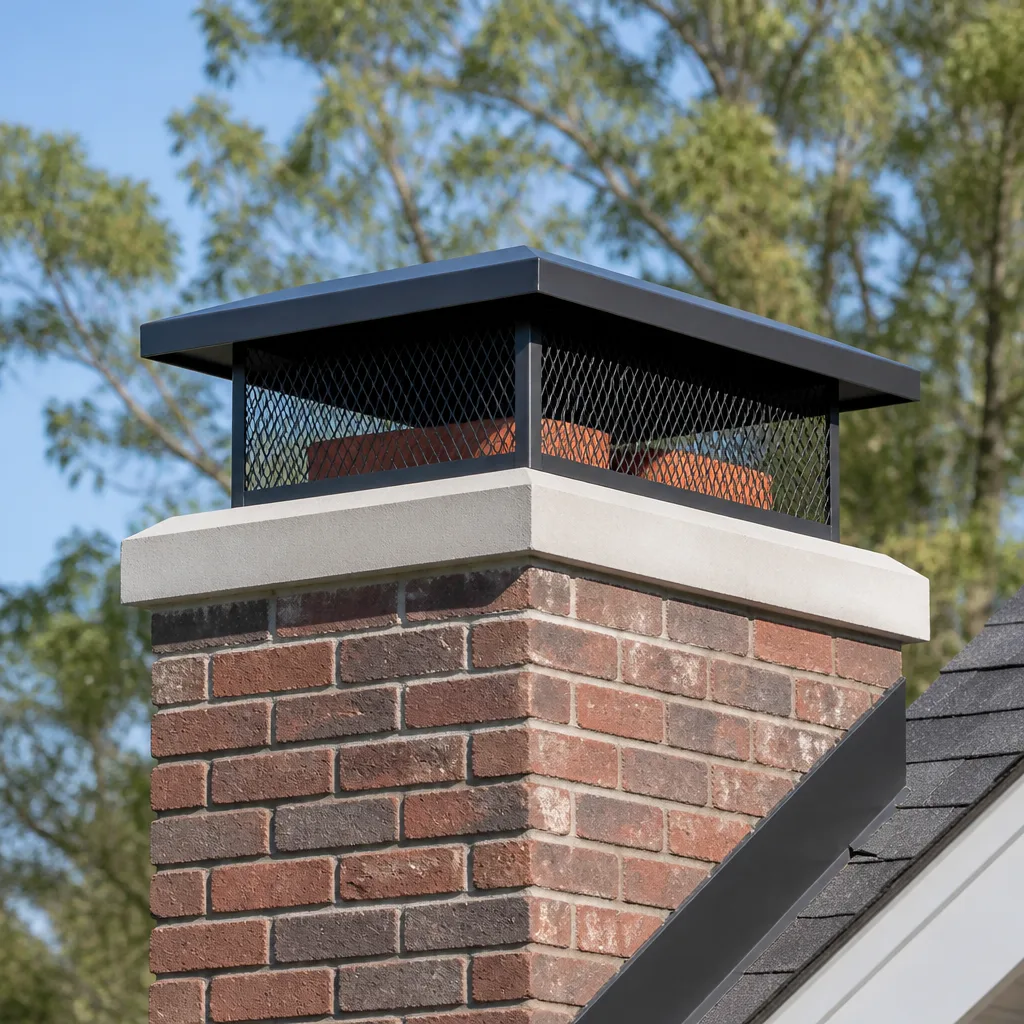 Caps & crowns
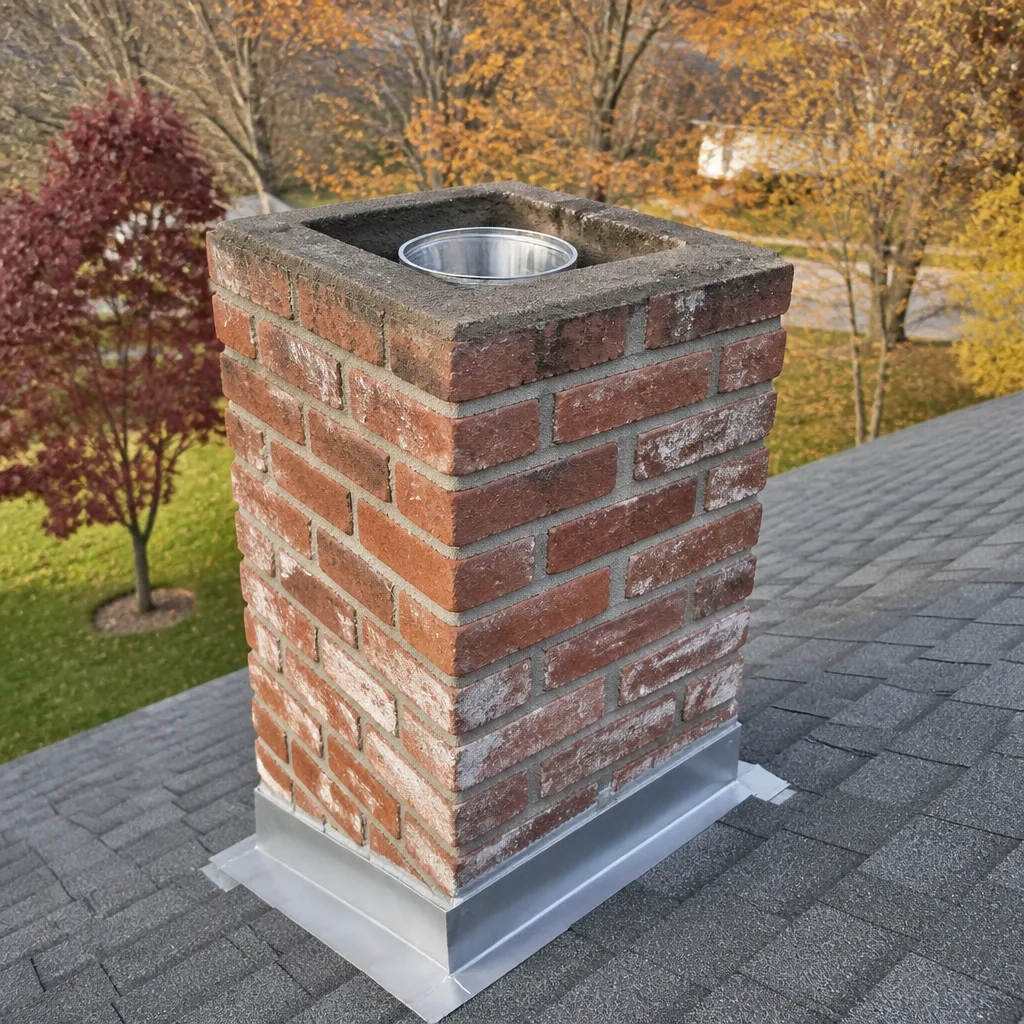 Flue relining
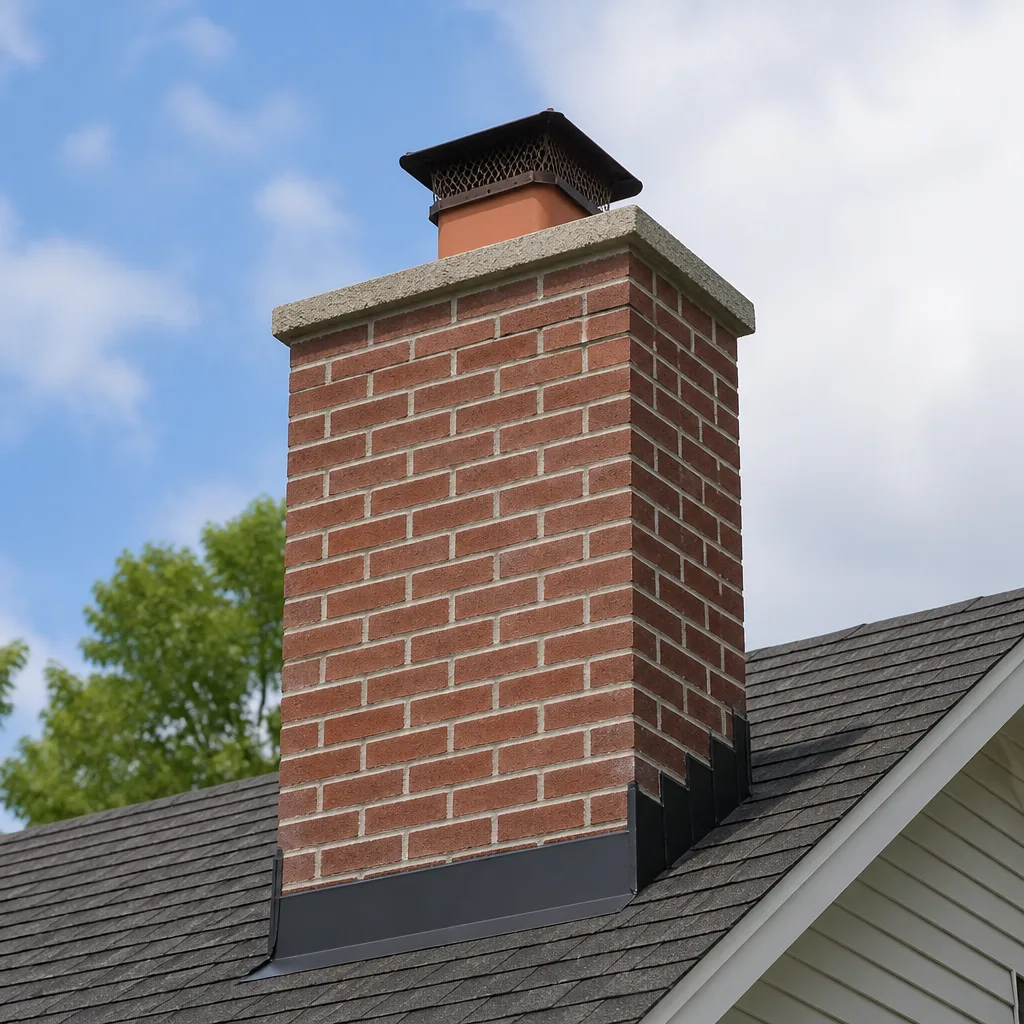 Masonry repair
 Gas fireplace service
Level 1 sweep and inspection to the NFPA 211 annual standard - flue, crown, cap, and flashing checked and photographed
Chimney sweep logs do not sweep chimneys. They loosen some creosote - which then falls where a brush and vacuum still have to collect it.
Chimney Cleaning Permits, Codes & Inspections in Thornton, CO: What You Need to Know
Cleaning a flue doesn’t require a permit. Replacing the liner inside it often does. That gap catches a lot of Thornton homeowners off guard, because the two jobs usually show up together: a technician comes out to sweep, finds a cracked or rusted liner, and the visit shifts from maintenance to structural repair. If the liner gets swapped without a permit, you can end up with mechanical work on your house that no inspector ever signed off on. At a resale, or after an insurance claim, that omission gets expensive. This guide draws the line for you: what counts as routine maintenance, what crosses into permitted work, how NFPA 211 fits in, and how to fix work a previous owner skipped.
Quick Answer
Routine chimney sweeping in Thornton does not need a permit. Chimney work that changes or replaces a structural or venting component, such as a liner relining job, a crown rebuild, or a firebox rebuild, usually does, and it falls under Thornton’s adopted building codes plus the technical standard NFPA 211. Confirm scope with the City of Thornton building department before any structural chimney repair starts, and keep a Level 2 inspection report on file for resale or an insurance claim.
Styles & brands we work with
- Sweep & inspection
- Caps & crowns
- Flue relining
- Masonry repair
- Gas fireplace service
Table of Contents
- Maintenance vs. structural work: where the permit line sits
- Permit thresholds for chimney repair in Thornton and Adams County
- How NFPA 211 underpins local inspection requirements
- What a Level 2 inspection report means for permits, sales, and claims
- Permitting chimney work a previous owner did without one
- What an inspection and code check involves, step by step
- When repairs can safely wait until spring
Maintenance vs. Structural Work: Where the Permit Line Sits
The permit question comes down to one distinction: are we cleaning what’s there, or are we changing what’s there? A sweep removes soot and creosote from an existing flue. It doesn’t alter the structure, and no jurisdiction treats it as construction. The moment a technician removes and replaces a liner, rebuilds the crown, or reconstructs part of the firebox, the job involves removing and installing a building component. That’s the trigger for a permit in most jurisdictions.
We think about it in three tiers of work:
- Tier one – maintenance. Sweeping, a Level 1 visual check, brushing a flue, removing a bird’s nest, cleaning a smoke chamber. No permit.
- Tier two – component replacement. Relining a flue with a new liner, replacing a damaged damper assembly, installing a cap. These often require a permit depending on scope and the local code path.
- Tier three – structural repair. Crown rebuilds, firebox rebuilds, masonry reconstruction, flue resurfacing that changes the flue’s interior profile. These generally require a permit.
Thornton sits in Adams County, and chimney work runs up against both the city’s adopted building code and county-level expectations during inspections. Because Thornton’s housing stock spans older mid-century homes and much newer construction, the age of the house changes what any given job triggers. A fifty-year-old masonry chimney slated for relining is a bigger permitting question than a ten-year-old factory-built fireplace that just needs the cap checked. If you’ve never had a chimney sweep look at a home you just bought, start there; a sweep plus a visual inspection is the cheapest way to learn what tier of work your chimney is actually in.
Permit Thresholds for Chimney Repair in Thornton and Adams County
Thornton, like most Colorado municipalities, adopts a model building code with local amendments and administers permits through its own building department. That means the specific trigger checklist isn’t a single public number; it’s determined by the scope of work and how the permit desk evaluates it. We don’t quote a fixed threshold we can’t verify for every case. What we can give you is the general map, and the questions you should ask before any crew, ours included, starts work.
Work that routinely needs a permit:
- Relining a chimney flue, whether with a stainless liner system or a cast-in-place product
- Rebuilding a chimney crown that has cracked through the full thickness
- Firebox or smoke chamber reconstruction
- Removing or altering structural masonry in the chimney stack
- Changing the type of appliance venting, such as converting a wood fireplace to a gas insert with a new vent path
Work that usually doesn’t:
- Sweeping and cleaning
- Level 1 or Level 2 inspection
- Replacing a chimney cap
- Minor mortar repointing on the exterior, in most cases
- Adjusting or replacing simple hardware like a damper pull or screen
Two things to do before you book any structural repair in Thornton:
- Ask the contractor directly: “Will this job require a permit from the City of Thornton?” Get an answer in writing on the estimate.
- Call the City of Thornton building department with the scope of work and ask them to confirm. Two minutes on the phone saves months of uncertainty later.
Reputable crews expect the question. If a company hesitates or says permits are never needed for chimney work, that’s your signal to look elsewhere. The written estimate should name the scope of work and whether permitting is included; that document is what you show a future buyer.
How NFPA 211 Underpins Local Inspection Requirements
NFPA 211 is the national standard for chimneys, fireplaces, vents, and solid fuel appliances. Local codes adopt it, adopt a version of it, or write their own language that mirrors it. When a Thornton inspector is standing in your living room looking at a flue, this is the document shaped into the checklist they carry. It’s why chimney inspections are standardized into three levels, and why the report you get from a sweep should look like the one a codes office expects.
The three inspection levels, in plain terms:
- Level 1. A visual check of the accessible parts of the chimney with basic tools. Standard with an annual sweep when the appliance and flue haven’t changed.
- Level 2. Everything in Level 1, plus a camera inspection of the flue’s interior and accessible portions of the attic and crawl space around the chimney. Required at a home sale, after a chimney fire, or when an appliance or fuel type changes.
- Level 3. Everything in Levels 1 and 2, plus removal of parts of the building to gain access to concealed areas. Rare, and used only when a Level 2 has flagged a suspected problem it can’t confirm.
What inspectors actually reference when they look at a report: liner condition, clearances to combustible material, crown and flashing integrity, and whether the flue was sized correctly for the appliance attached to it. A lining job documented with a Level 2 report that names the material and the installation standard is far easier to defend at a resale than a general “repaired chimney” note. That’s why we specify material by performance: HeatShield resurfacing for a flue that’s structurally intact but has a pitted or cracked interior, or a liner system for a flue that needs a full reline. The right answer isn’t the cheapest material; it’s the one the inspector can verify against the standard.
What a Level 2 Inspection Report Means for Permits, Sales, and Claims
A Level 2 inspection report is the document that turns a chimney from a mystery into a known quantity. It gives you a camera inspection of the flue interior and a written record of what’s there. For three scenarios in particular, it’s the piece that keeps a transaction or a claim moving:
Selling a home. Most buyers’ inspectors flag a chimney and ask for documentation. If you have a Level 2 report from a sweep in the past year, you answer that request with a document instead of a scramble. In Colorado’s active real estate market, that report is common leverage in negotiation because it removes a buyer’s reason to ask for a chimney credit.
Filing an insurance claim after a chimney fire. Insurers want proof of what existed before the loss. A prior Level 2 inspection gives them a baseline, and a post-fire inspection documents the damage in a way the claims adjuster can work with. Without either, the conversation about cause and scope gets harder.
Permit documentation. When a liner replacement or a crown rebuild is being permitted, the inspection report is often the supporting document that establishes the scope. An inspector reviewing a permit application wants to see what the condition was and what the proposed work addresses.
A few things to check on any inspection report you receive:
- It states the inspection level (1, 2, or 3) explicitly
- It includes photo or video evidence of the flue interior
- It names the standard the inspection was performed against
- It separates findings from recommendations, so you can see what’s urgent and what isn’t
- It’s signed by the company that performed the work, with a date
If a report arrives with none of this, ask the company to reissue it in that form. A report you can’t hand to a buyer, an insurer, or a permit clerk isn’t doing its job.
Permitting Chimney Work a Previous Owner Did Without One
This comes up more than people expect. You buy a house in Thornton, the inspection reveals the liner was replaced at some point, and the closing paperwork doesn’t include a permit record. Common enough. Now what?
The good news: unpermitted work can often be legalized retroactively. It’s not a dead end. The process usually looks like this:
- Get an inspection. A Level 2 inspection documents what work was actually done and whether it meets the standard. This becomes your evidence base.
- Contact the City of Thornton building department. Explain the situation: prior work, no permit record, you want to know how to bring it into compliance. Many jurisdictions offer a path to a retroactive or “as-built” permit for work that’s already complete.
- Provide the documentation the city asks for. Typically this is the inspection report, a description of the work, and sometimes an engineered or contractor-signed statement that the work as installed meets code.
- Complete any remediation the inspector requires. Rarely, the work is deficient and needs to be redone. More often, it’s compliant and the permit just needs to be issued retroactively to reflect it.
- Close the permit and keep the record. A closed permit and the inspection report together protect you at the next sale and for future insurance purposes.
Why Colorado’s real estate market makes this urgent: homes here move quickly, and buyers’ inspectors look hard at chimneys because a chimney problem is an easy line item to negotiate on. A missing permit is a problem a buyer’s agent can use to re-trade the price or ask for a credit, regardless of whether the work is actually sound. Having the permit closed before you list removes that lever. It also matters on the insurance side: if a chimney fire claim is filed and the insurer sees unpermitted repair work on the flue, the conversation about coverage gets more complicated than it needs to be.
We’ve seen this scenario play out enough to watch for it. When we sweep in Thornton and find a liner that clearly doesn’t match the age of the house, we note it in the report and tell the homeowner to check for a permit record. Telling you about the problem is more useful than ignoring it.
What an Inspection and Code Check Involves, Step by Step
If you’ve never had a chimney inspected and you’re unsure what should happen, here’s what a professional inspection in Thornton looks like from the customer’s side:
- Appliance review. The technician confirms what’s connected to the flue: a wood fireplace, a gas insert, or a wood stove. The appliance determines what standard applies and what sizes are allowed.
- Exterior walk-around. Crown, flashing, chimney cap, and the exterior masonry are checked for cracks, spalling, and water intrusion. Water damage at the crown is one of the most common findings in Thornton’s freeze-thaw winter cycles.
- Interior visual inspection. The firebox, damper, smoke chamber, and the visible portion of the flue are checked. Clearances to combustible framing are measured where accessible.
- Camera inspection of the flue. A camera run through the flue documents the liner’s interior condition: cracks, gaps, deterioration, or incorrect flue sizing.
- Written report. Findings separated from recommendations, with photo evidence and, if any work is proposed, a clear scope that includes whether permitting is required.
One point on safety: chimney inspections and any repair work inside a flue should be done by trained technicians, not by a homeowner with a brush and a flashlight. The flue is a concealed space, the components are load-bearing to the venting system, and a mistake in a liner installation or a firebox repair is a carbon monoxide risk or a fire risk. This isn’t a job where DIY saves you money; it’s a job where the standard exists for a reason. Our technicians have up to 10 years of experience, and every inspection is the same process every time so the report is comparable year over year.
For homeowners who also run a dryer, we recommend pairing a chimney sweep with dryer vent cleaning, because dryer vent lint accumulation is a leading cause of residential fires and most chimney-only sweeps never look at it. Both jobs share the same principle: an accessible vent path gets cleaned and inspected on a schedule, and you get a report either way.
When Repairs Can Safely Wait Until Spring
Not every finding on an inspection report is urgent, and honest technicians say so. Some chimney repair work is genuinely fine to schedule for warmer weather, and rushing it is a waste of money.
Work that can typically wait for spring or summer:
- Interior flue resurfacing on a flue that’s pitted but structurally sound, if a camera inspection shows no active gap or breach
- Crown repointing or minor exterior masonry work, when the crown isn’t allowing water into the flue
- Cosmetic exterior repair
- Replacing a worn damper or screen that still functions
Work that shouldn’t wait:
- A liner with active cracks or gaps (a carbon monoxide and fire risk if you keep burning)
- A crown that’s letting water into the flue or the house
- A firebox with compromised mortar joints
- Any finding from a post-chimney-fire inspection
There’s also a seasonal argument for scheduling Thornton work in the warmer months even when it’s not urgent. Colorado’s freeze-thaw cycles through winter stress masonry, and a crown that’s showing early wear in fall becomes a bigger repair by spring. Doing the smaller fix before the cold settles in is usually cheaper than fixing the consequence in March. If you’re unsure which category a finding falls into, ask the technician directly: “If I wait until April, what’s the risk?” A good answer gives you a specific scenario, not a vague warning.
Common Mistakes to Avoid
- Treating a liner replacement as maintenance. A relining job is structural work and usually requires a permit in Thornton. If the contractor doesn’t mention permitting when they quote a reline, ask.
- Skipping the Level 2 inspection at a home purchase. A general home inspector looks at a chimney from a distance. A dedicated Level 2 inspection is what a buyer will ask for at resale, so having one from the start removes the surprise.
- Assuming a previous owner’s chimney work was permitted. Liner jobs done years ago often have no permit record. Check with the City of Thornton building department before you rely on prior work.
- Burning after a chimney fire without an inspection. NFPA 211 calls for a Level 2 inspection after a chimney fire, and for good reason: the flue’s condition changes, and reusing it without a check is dangerous.
- Letting a sweep-only company quote structural repair. If the crew that sweeps your chimney also sub-contracts the repairs to a general handyman, the materials and standard slip. Chimney repair belongs with a chimney specialist.
- Filing an insurance claim without a prior inspection report. The insurer’s adjuster wants a baseline. A report from before the loss makes the claim run smoother.
- Ignoring dryer vent cleaning while focusing on the chimney. Dryer vent lint is a fire risk that most chimney-only services never check, and it’s part of the same venting system on the same visit.
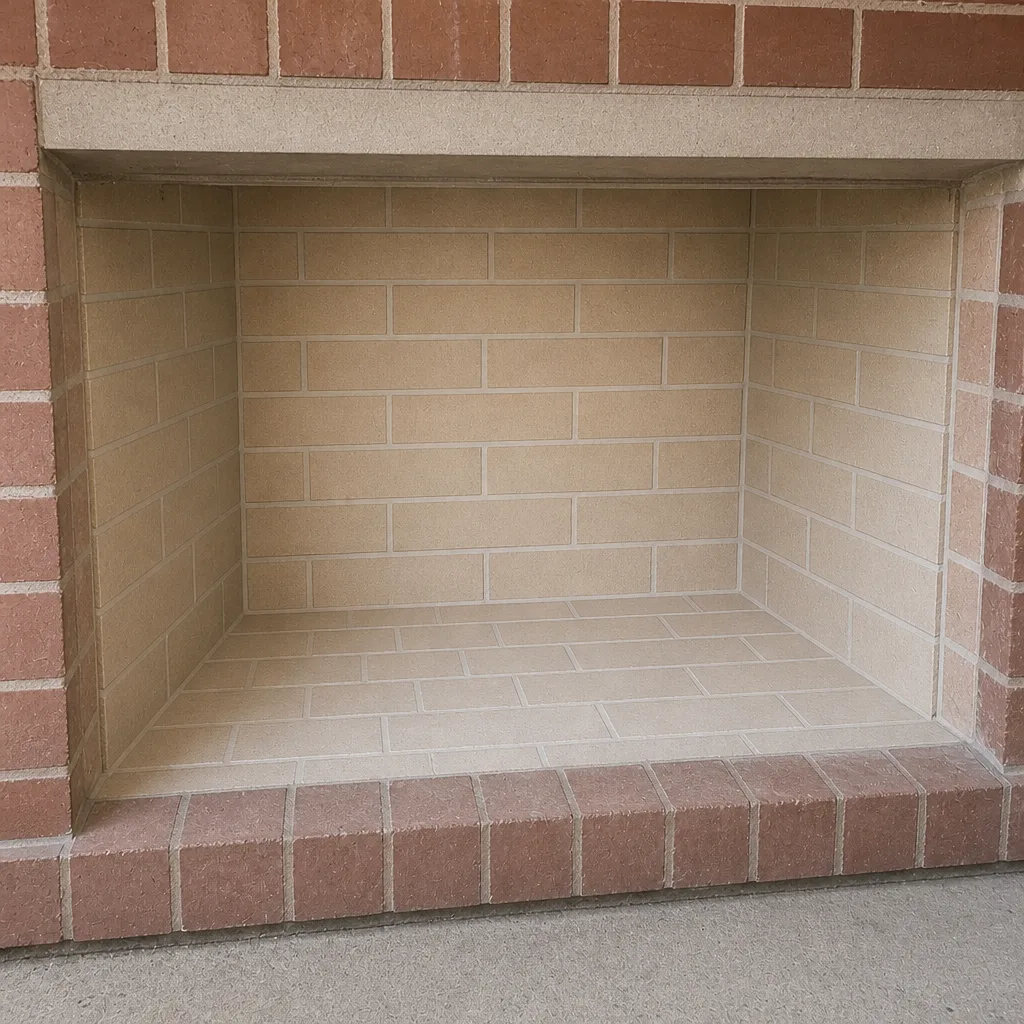
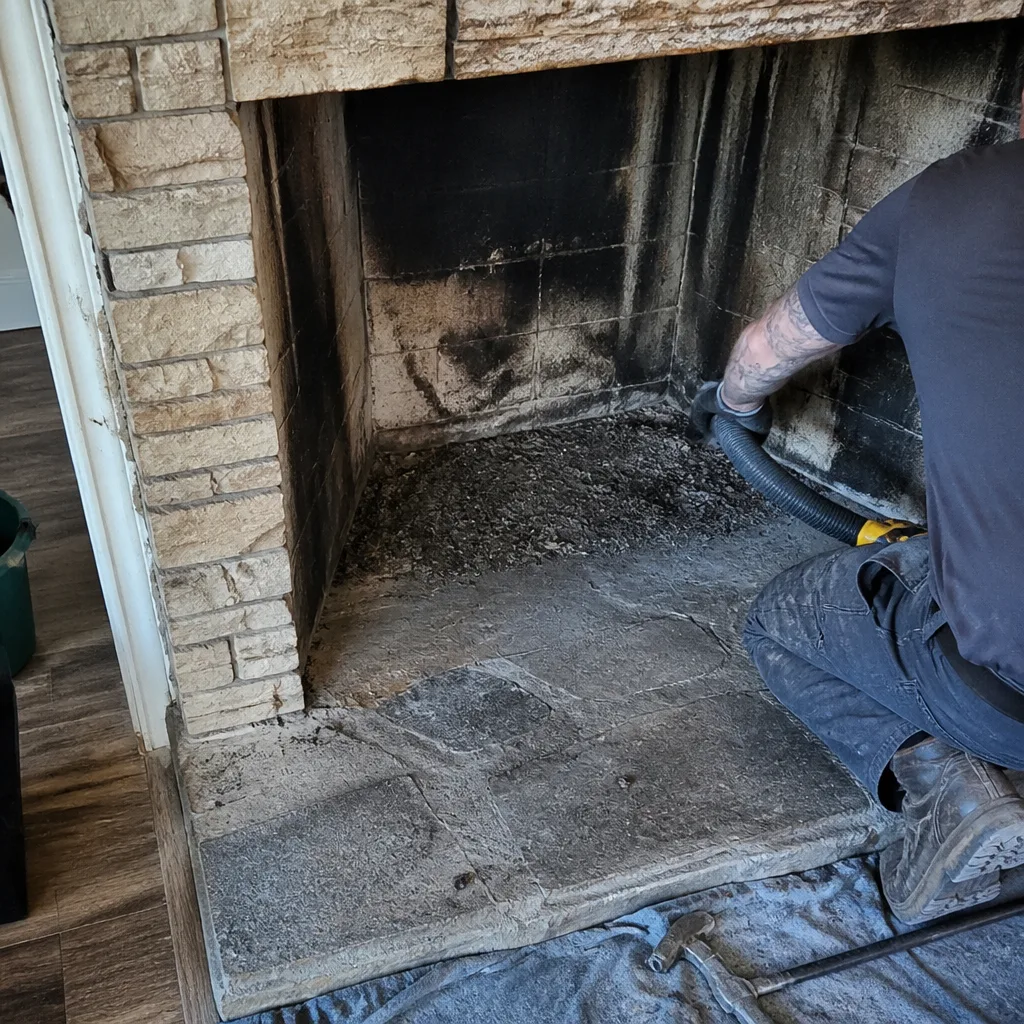
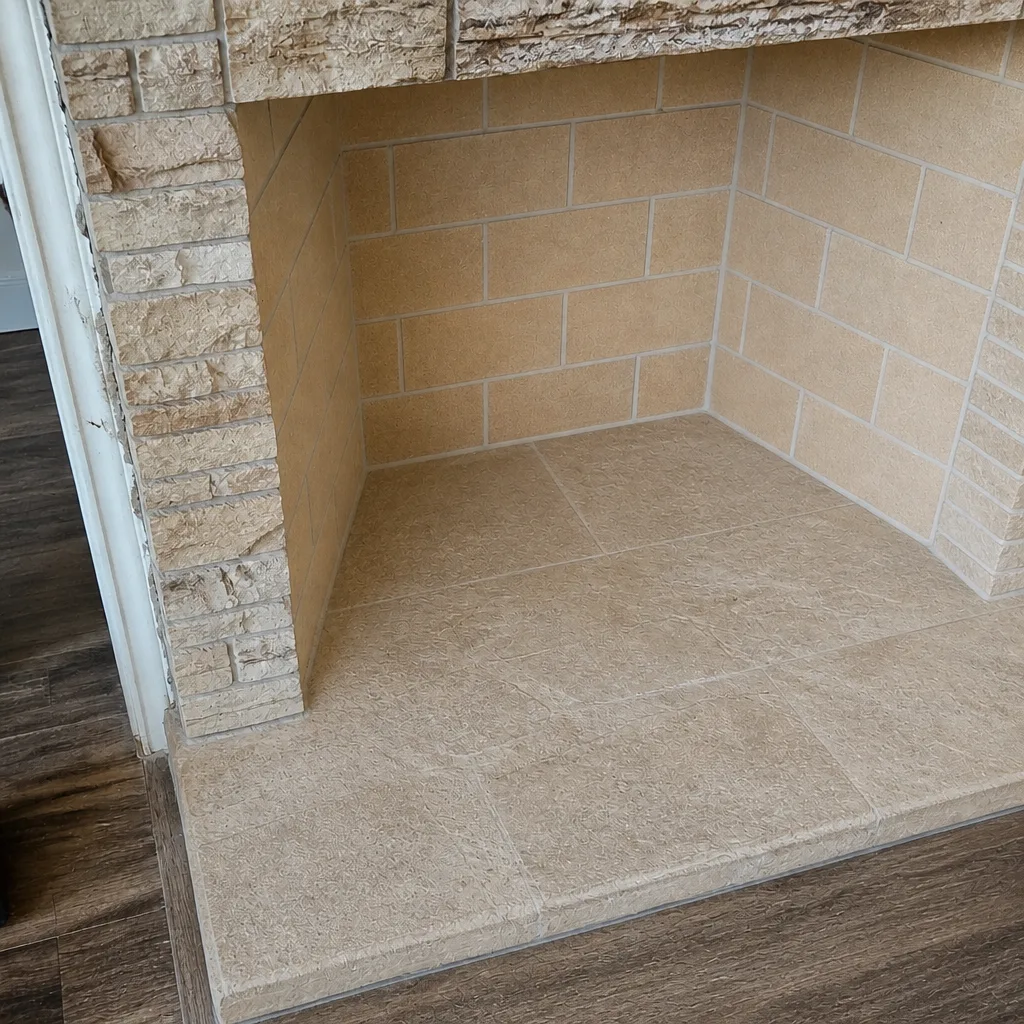
See the difference
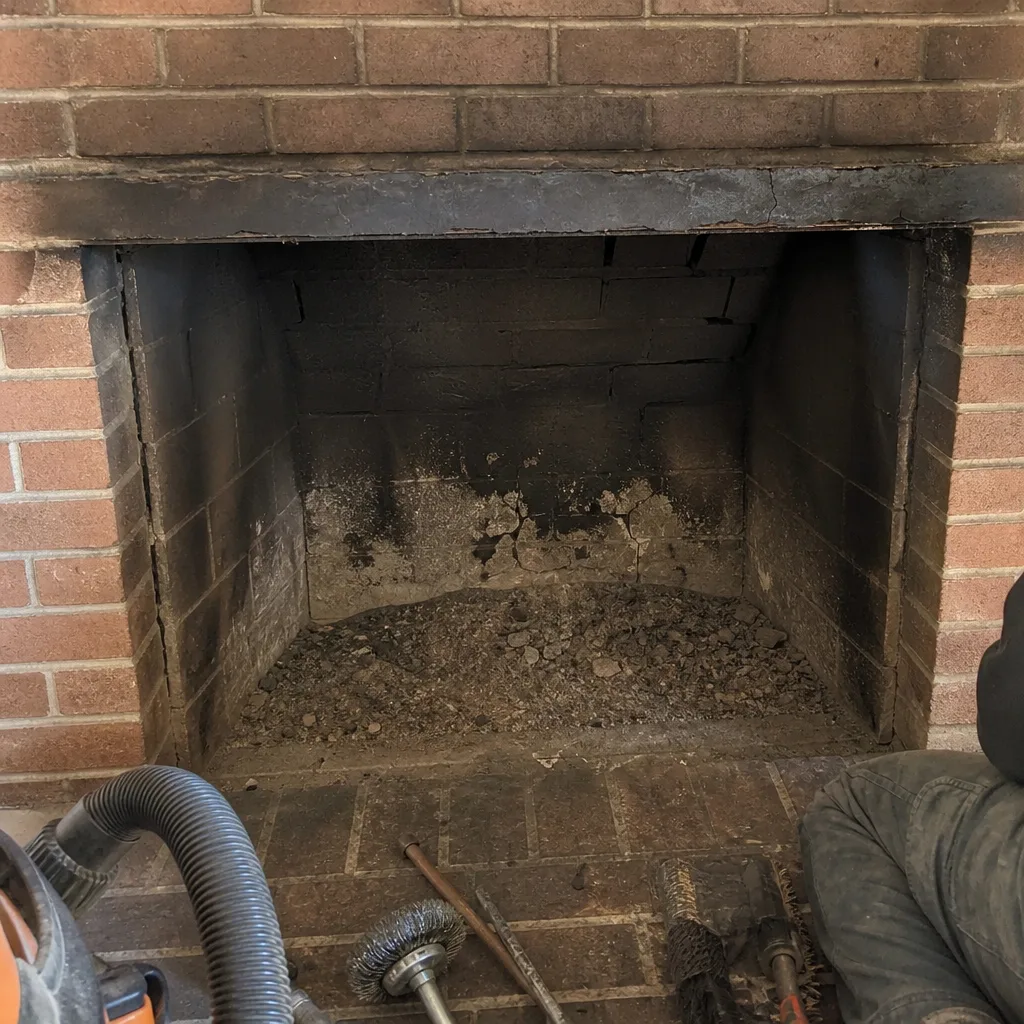 Before
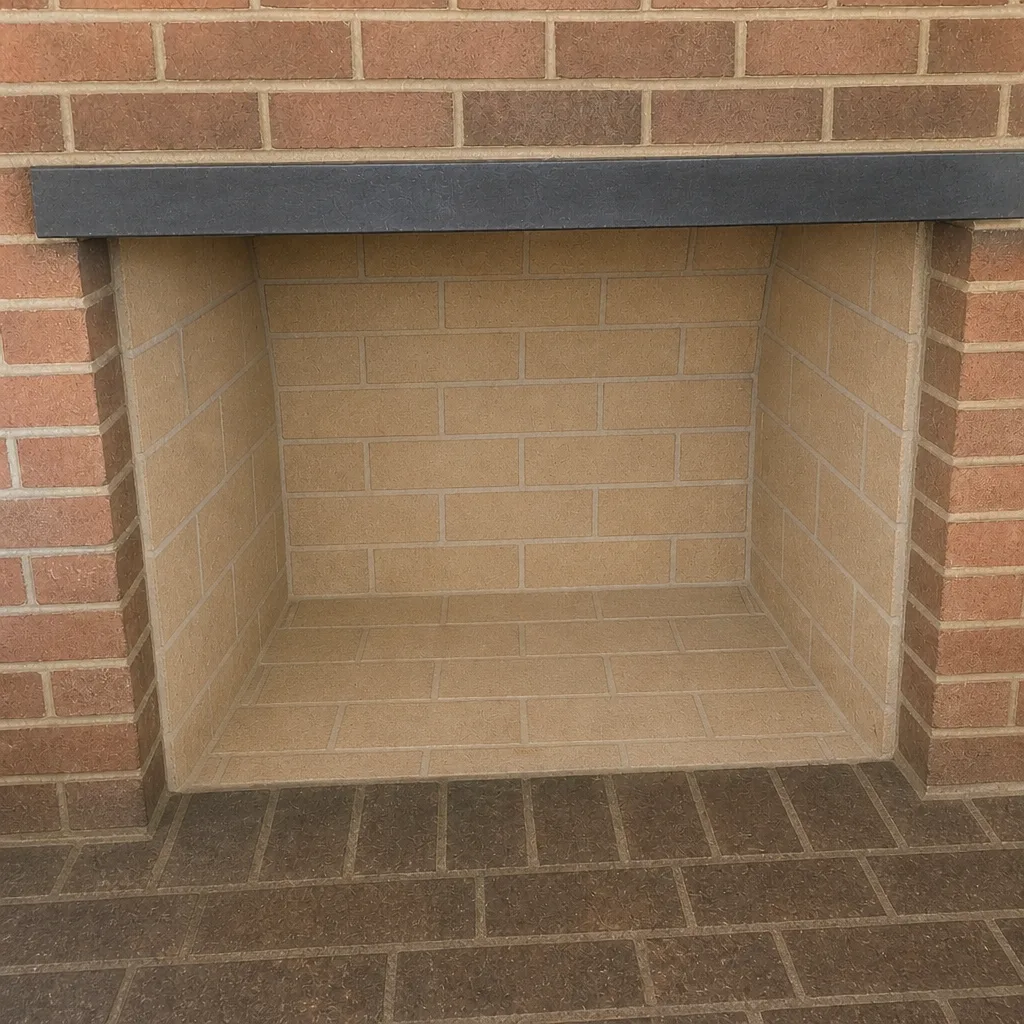 After
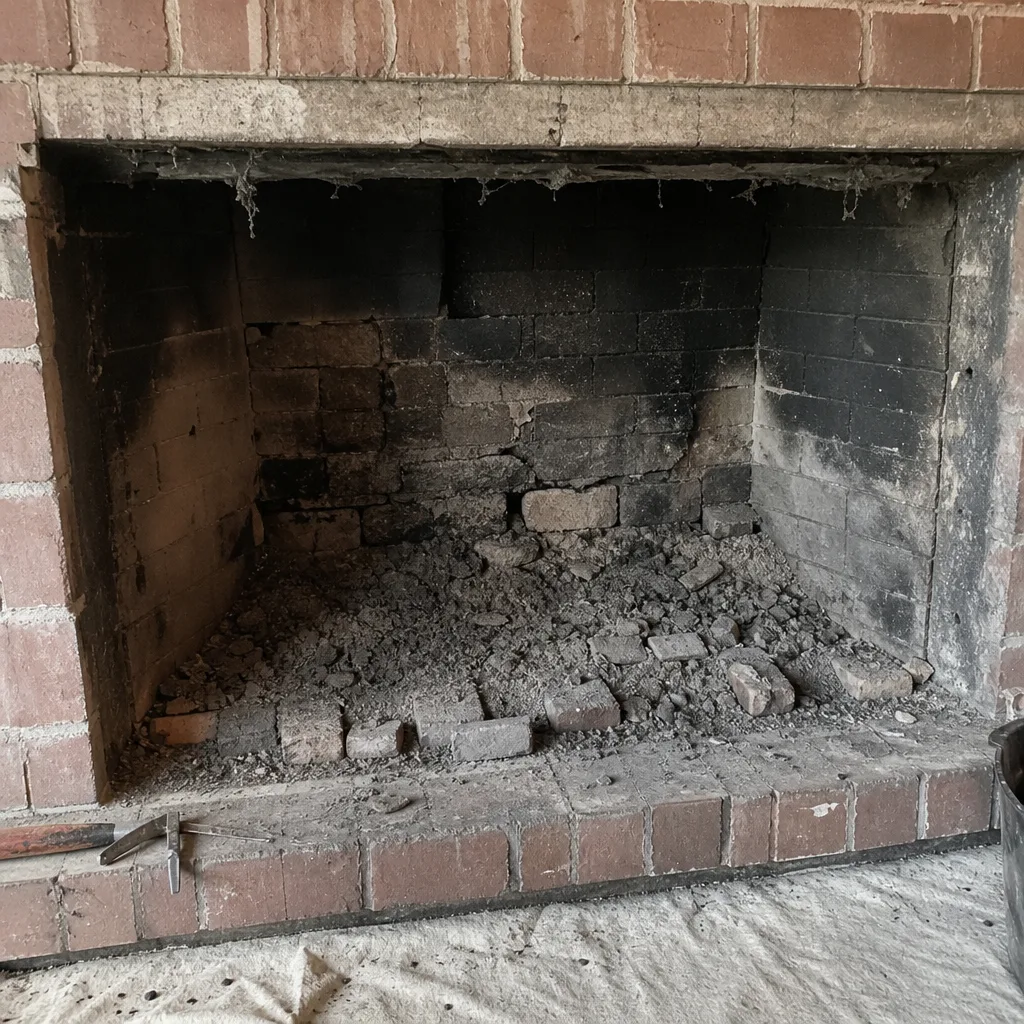 Before
 After
 Before
 After
When to Call a Professional
Call a professional when you don’t have a prior inspection report and you’re using the fireplace or a gas insert. Call when you’re buying a home in Thornton and the seller hasn’t produced a recent Level 2 inspection. Call when you notice smoke backing into the room, a strong creosote smell, water staining on the chimney exterior, or crumbling mortar joints in the firebox. Call when you’re selling and need a report for the buyer. Call if a prior owner’s liner replacement has no permit record. And call if you’re unsure whether a finding is structural or cosmetic; the answer determines whether you need a permit and whether you can wait for the weather. Chimney Sweep Thornton offers free estimates in Thornton. Call (866) 361-5660 for a scope of work you can compare against the city’s requirements. We answer 24/7. Fast dispatch from 7am to 7pm, Sunday through Friday.
Frequently Asked Questions
No. Routine chimney cleaning, also called sweeping, does not require a permit in Thornton or anywhere in Adams County. Cleaning removes soot and creosote from an existing flue without altering any building component, which is the line that separates maintenance from permitted construction. If a sweep recommends repairs during the visit, ask specifically whether the repair requires a permit. Call (866) 361-5660 for a free estimate and a written scope of work that addresses permitting.
A chimney repair typically needs a permit when it replaces or reconstructs a structural or venting component. Liner relining jobs, crown rebuilds, firebox reconstruction, and changes to the venting path for a new appliance are the usual triggers. Minor repointing, cap replacement, and hardware swaps usually don’t require one. Because Thornton’s specific thresholds come from its adopted building code with local amendments, confirm scope with the City of Thornton building department before work starts. Call (866) 361-5660 and we’ll walk you through how we’d scope the job.
NFPA 211 is the national standard for chimneys, fireplaces, vents, and solid fuel appliances, and local codes adopt it or mirror it. When a Thornton inspector reviews chimney work, the standard they’re checking against is usually NFPA 211 in some form, which is why chimney inspections are organized into Levels 1, 2, and 3. A liner installed to NFPA 211 and documented in a proper inspection report is far easier to defend at resale or in an insurance claim than an undocumented repair. Call (866) 361-5660 if you need a report that matches that standard.
A Level 2 inspection is a visual inspection plus a camera inspection of the flue’s interior and accessible portions of the attic and crawl space. You need one when you’re buying or selling a home, after a chimney fire, or when an appliance or fuel type changes. It’s also the right report to have on file for an insurance claim. In Thornton’s active real estate market, a current Level 2 report removes a common buyer objection. Call (866) 361-5660 for a free estimate on a Level 2 inspection.
Yes, often. Unpermitted chimney work can frequently be legalized retroactively through the City of Thornton building department, usually by providing a Level 2 inspection report plus a description of the work and any documentation the city requests. It’s rarely a dead end, but it does need to be handled before you sell or file a claim. Resolving it proactively removes a negotiation lever a buyer’s agent can use. Call (866) 361-5660 to schedule an inspection that will document what’s there.
Usually yes. A liner replacement is a structural component change and most jurisdictions, Thornton included, treat it as permitted mechanical work. Whether a specific reline requires a permit depends on its scope and how the building department categorizes it, so confirm before work begins. We install DuraFlex liner systems and use HeatShield resurfacing for flue interiors that are structurally sound but worn, and we’ll tell you which one your flue needs and whether the job should be permitted. Call (866) 361-5660 for a free estimate.
Yes, the freeze-thaw cycle affects masonry and will lengthen the checklist for a chimney inspection. Water that seeps into a hairline crack in the crown expands when it freezes, and repeated cycles widen the crack into a repair. That’s why crown and flashing condition is one of the first things a technician checks on a Thornton chimney. Spring and fall are good times to schedule the repair before the next winter stress cycle. Call (866) 361-5660 to book a sweep and inspection.
The Bottom Line
The permit line on a chimney in Thornton is simple to state and easy to cross: cleaning is maintenance, structural work is not. Liner replacements, crown rebuilds, and firebox reconstruction usually need a permit; sweeping and inspections don’t. NFPA 211 is the technical standard underneath most local inspection requirements, and it’s the reason inspection reports are organized into levels. If you’re buying or selling in Thornton, a current Level 2 inspection report is the single document that protects you at the negotiating table and in a claim. If a previous owner’s work has no permit, it can often be legalized retroactively, but the window to handle it is before you list. Preventing all of this starts with knowing what’s inside your flue: a sweep and inspection tells you, and you don’t need a permit for that.
Ready to get your chimney documented and your scope defined? Call Chimney Sweep Thornton at (866) 361-5660 for a free estimate. We answer 24/7, with fast dispatch from 7am to 7pm, Sunday through Friday. We work with DuraFlex liner systems, HeatShield resurfacing, and respected materials like Gelco, Olympia Chimney, and Famco, and we’ll tell you plainly which repairs need a permit and which can wait until spring.
Written by the team at Chimney Sweep Thornton.