
Last updated November 15, 2026
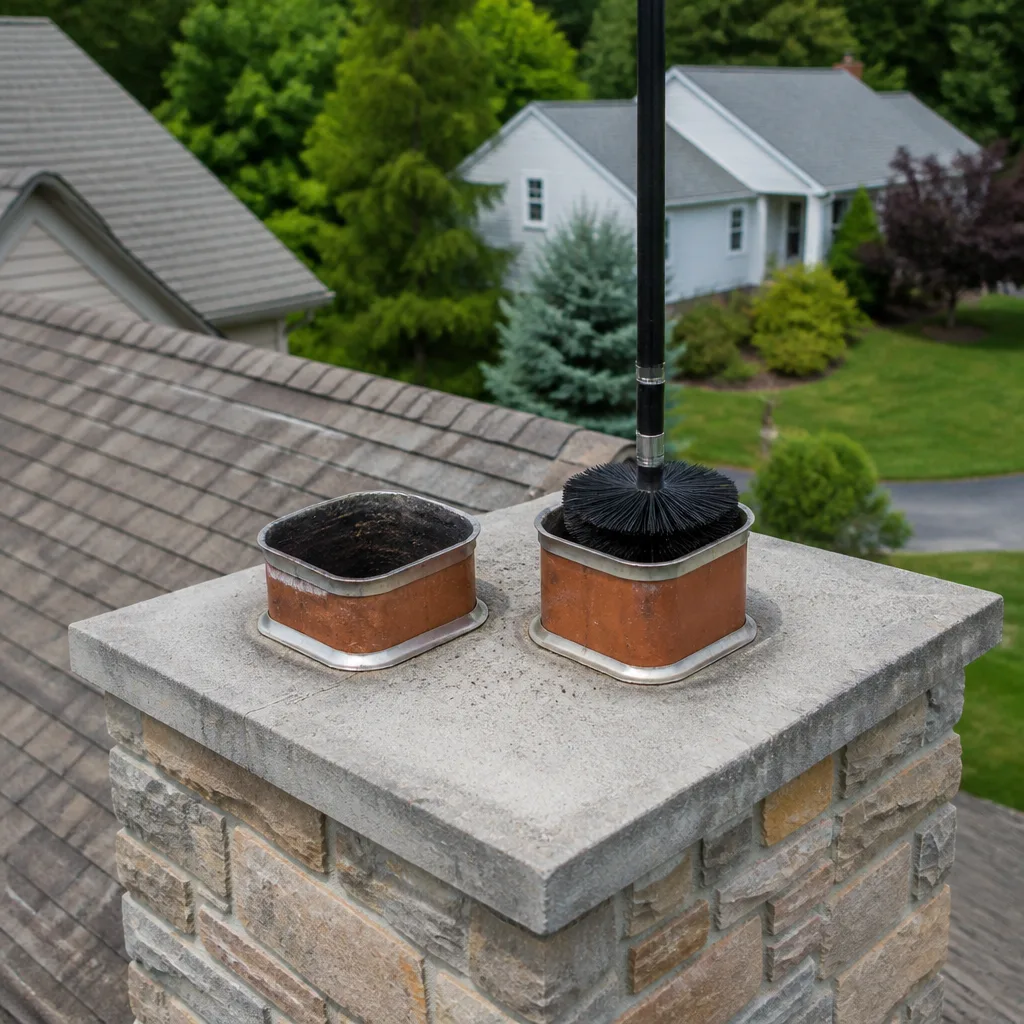 Sweep & inspection
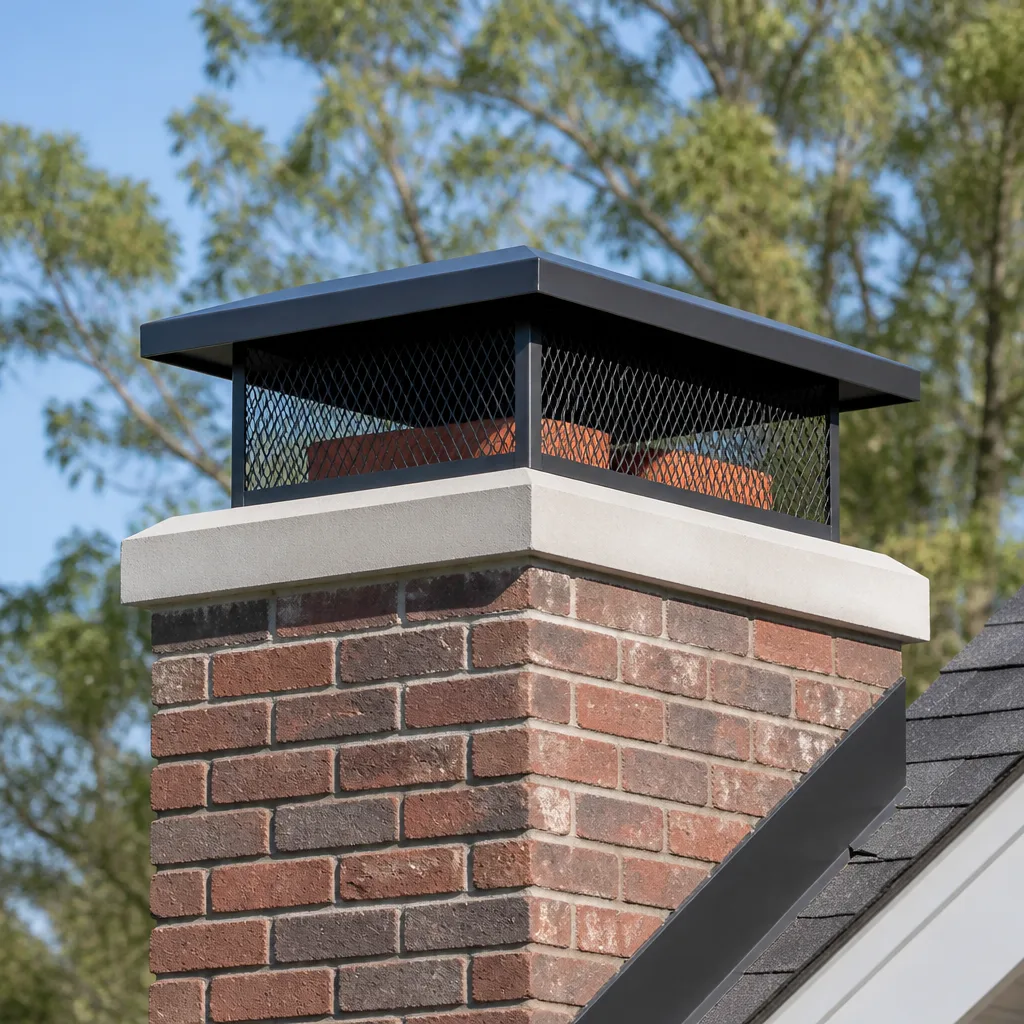 Caps & crowns
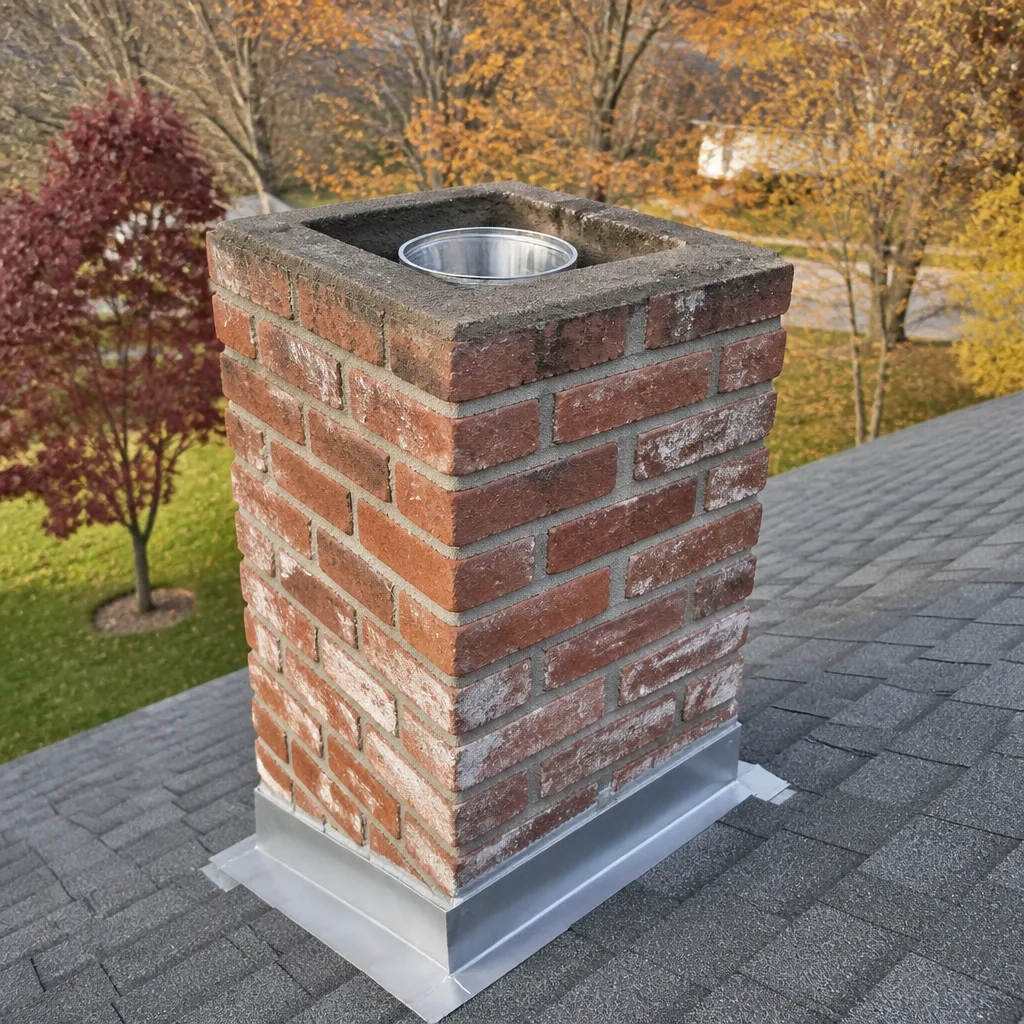 Flue relining
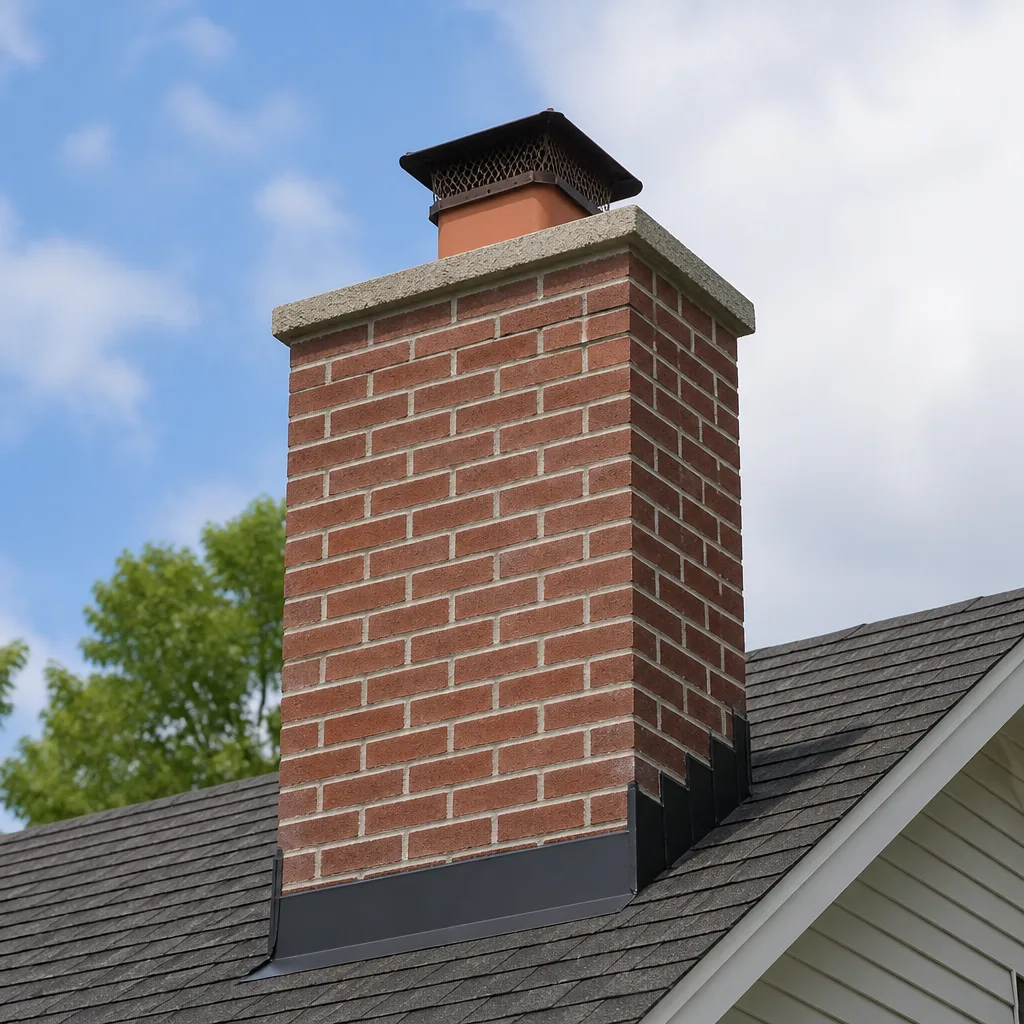 Masonry repair
 Gas fireplace service
Level 1 sweep and inspection to the NFPA 211 annual standard - flue, crown, cap, and flashing checked and photographed
Chimney sweep logs do not sweep chimneys. They loosen some creosote - which then falls where a brush and vacuum still have to collect it.
Chimney Cleaning Warning Signs: A Thornton Homeowner’s Reference Guide
Most homeowners call a chimney sweep when something obvious breaks: smoke rolling into the room, a fire that won’t draw, water on the hearth. By then, the problem has usually been building for a season or two. The warning signs that matter most are quiet – a faint white bloom on the brick, a whiff of campfire in July, a hairline crack running sideways instead of up. Read those early and you spend a few hundred dollars on maintenance. Ignore them and you spend it twice: once on the symptom and once on the repair underneath. This guide walks through what each sign physically means, how to check for it, and when to stop and call. It’s written for Thornton homeowners living with Front Range weather, clay soil, and the freeze-thaw cycle that shapes how chimneys fail here.
Quick Answer
Chimney warning signs in Thornton fall into four groups: moisture evidence (white efflorescence, rust, dark stains), structural movement (horizontal cracks, spalling brick), draft problems (smoke on certain wind directions, weak pull), and combustion deposits (stage-two or stage-three creosote, a strong smoky odor). Any of these is a reason to book a chimney sweep and get the flue inspected before your next fire. Signs of an actual chimney fire – cracked flue tiles, puffy creosote, heat-damaged metal – mean stop using the fireplace until it’s inspected.
Styles & brands we work with
- Sweep & inspection
- Caps & crowns
- Flue relining
- Masonry repair
- Gas fireplace service
Table of Contents
- What White Efflorescence on Brick Actually Tells You
- Settling Cracks vs. Horizontal Spalling Fractures
- Reading Creosote: Stages Two and Three
- Why Your Fireplace Smokes on Certain Wind Directions
- The July Campfire Smell and What It Signals
- The Four Signs of a Silent Chimney Fire
- Dryer Vent Warning Signs Most Homeowners Miss
- How Often to Schedule Service in Thornton
What White Efflorescence on Brick Actually Tells You
Those chalky white patches on your chimney brick aren’t cosmetic. Efflorescence is the visible end of a water path: moisture gets into the masonry, dissolves water-soluble salts from the brick and mortar, and carries them to the surface as it evaporates. The salt stays behind, and it keeps coming back as long as water keeps finding its way in. In our experience, efflorescence on a Thornton chimney is almost always downstream of one of a few sources, and the location of the bloom points toward which one.
- Bloom high on the chase, near the cap: the crown is cracked or the cap is the wrong size, letting rain run straight down the flue or behind the masonry.
- Bloom in a vertical streak down one face: a failed flashing detail at the roof line, or a missing fastener that opens a path for wind-driven snow.
- Bloom near the base and hearth: water running inside the flue from a missing rain cap, or a cracked crown sending water down into the smoke chamber.
- Bloom across a broad, patchy area with dark staining: chronic moisture combined with creosote, which together accelerate acid attack on mortar joints.
Front Range snowmelt matters here. A chimney that gets wet a few times a year in a drier climate often keeps drying out between storms. In Thornton, the freeze-thaw cycle pushes water that’s already inside the masonry to expand again each cold night, and mortar joints that would last decades in a milder climate start to erode in a few winters. Repointing the mortar without stopping the water path just postpones the same failure. If the interior of your flue is pitted or the joints are softening from moisture, resurfacing with HeatShield is one repair-grade way to rebuild a compromised flue interior without tearing out the whole chimney.
Settling Cracks vs. Horizontal Spalling Fractures
Not every crack means the same thing, and the orientation of the crack is the single most useful clue. A chimney that’s simply settling on its foundation will show cracks that are short, oblique, or follow the mortar joints in a stair-step pattern and stay hairline over years. A chimney that is moving, or that has lost structural support, shows something quite different.
Look for these specific patterns:
- Horizontal cracks across the face of the brick. Brick and mortar expand at slightly different rates with heat and moisture. A horizontal crack through multiple courses of brick is a sign of structural movement or differential settlement, not normal wear.
- Spalling brick. The face of the brick flakes off in sheets, revealing a crumbling core underneath. This is what severe freeze-thaw damage looks like – the porous brick saturates, freezes, and pops its own face off from the inside out.
- A tilting chimney. Set a level against the chase on two faces. If the chimney leans away from the house, the footing or the foundation connection needs evaluation before anything else.
- Cracked or displaced flue tiles. You can’t see these from the ground, but a camera inspection will find them. Displaced flue tiles are a direct path for heat and carbon monoxide into the structure.
- Separation from the roofline. A gap opening where the chimney passes through the roof line usually means the chimney is pulling away from the house.
Horizontal cracks and spalling brick deserve a call now, not next spring. These are the signs where using the fireplace while you wait can turn a masonry repair into a rebuild. A camera inspection is how you confirm whether the interior damage matches what the exterior shows. Call (866) 361-5660 for an exact quote – estimates are free, and we’ll tell you plainly what can wait and what can’t.
Reading Creosote: Stages Two and Three
Creosote is what condensed smoke leaves behind on the inside of your flue, and it doesn’t fail to a single grade. It progresses through recognizable stages, and knowing which stage you’re looking at decides whether you keep burning or stop entirely.
- Stage one: a light, sooty powder that brushes off easily. Routine sweep territory. Nothing alarming, just time for maintenance.
- Stage two: a hardened, crusty, flaky deposit that clings to the flue tile and requires scraping. This is not something that brushes away, and a standard sweep may not fully remove it. If the flue needs the layer broken down mechanically, that’s a job for a trained technician with the right tools.
- Stage three: a glazed, tar-like coating that looks almost ceramic. It’s extremely combustible and hard to remove. If your sweep finds glazed creosote, the fireplace should come out of service until it’s addressed – this isn’t a “schedule the next cleaning in a few weeks” situation.
What homeowners often miss is the smell. Creosote that has softened from heat or humidity gives off a strong smoky, tar-like odor – not just when the fireplace is running, but sometimes weeks later. If you’re smelling heavy creosote in a room without a fire going, it means the deposits are thick enough and active enough to volatilize. That’s a genuine warning, not a nuisance.
Whether you develop stage-two or stage-three deposits depends heavily on how you burn. Green or unseasoned wood, a smoldering fire with the damper partly closed, and quick hot fires in a cold flue all push creosote down the wall. Burning dry, seasoned wood and letting the fire burn hot and clean reduces the buildup rate dramatically. It doesn’t eliminate it. Sweeping annually – or twice a year if you burn heavily – catches the deposits before they reach a stage that requires mechanical removal.
Why Your Fireplace Smokes on Certain Wind Directions
If your fireplace drafts fine on a calm evening and smokes when the wind swings around from a particular direction, the chimney isn’t failing at the draft. It’s failing at the geometry. The wind creates pressure on the leeward side of the chimney, and if the flue opening sits too low, the cap blocks the flow, or the stack is short for the surrounding roofline, that pressure overcomes the weak draft and pushes smoke back into the room. It’s a location-and-shape problem, not a general “bad draft.”
The most common geometry issues we see on Thornton homes:
- Flue too short. When a neighbor’s roof or a tall tree sits above your chimney termination, the surrounding profile can literally choke the draft just on certain wind angles.
- Cap with too much restriction. A cap designed to keep out rain and animals sometimes narrows the open flue area enough that pressurized wind stalls the exhaust. A different cap geometry fixes it.
- Chimney on the downwind side of the house. Wind passing over the ridge creates a low-pressure zone on that side, which pulls smoke back down the flue – a stack effect reversal rather than a creeping crack.
- No cap at all. The open top lets wind pour straight down the flue, which means a gusty day pulls smoke down the chimney instead of out.
Before calling, note the wind direction when the smoking happens, whether the fire is fully up to temperature (cold flues are weaker), and whether the smoker still does it once the fire is hot. Those three facts let a technician diagnose the geometry in one visit – and it might be a cap replacement, not a rebuild. Call (866) 361-5660 for an exact quote – estimates are free.
The July Campfire Smell and What It Signals
A strong campfire smell in your living room in the middle of summer, when the fireplace hasn’t had a fire in months, isn’t a leftover. That’s an active signal, and it usually points to one of three things: animals, moisture, or a draft inversion.
Animals. Birds, squirrels, and raccoons love a dry chimney. They bring in nesting material and droppings, and their presence blocks the flue and can hold moisture. A faint animal smell mixed with soot is a tell. Check for scratches on the cap, feathers, or debris on the smoke shelf.
Moisture-accelerated creosote. Summer humidity can soften old creosote and turn a stable crust into a volatile layer that off-gasses creosote odor up into the room. If the smell is smoky and tar-like rather than animal, this is the likelier cause. It also means the deposits up the flue are thick enough to be a combustion hazard and worth verifying before fall.
Draft inversion. In hot weather, cool air can sit in the chimney and push downward into the room, carrying whatever smell is inside the flue with it. This is the same physical mechanism that can push carbon monoxide back into the house, which is why an unexplained summer smell deserves inspection, not air freshener.
Each of these is fixable, and none of them require guessing. A camera inspection shows you what’s actually inside the flue, animal blockage included. Worth noting as a summer check: our dryer vent cleaning also catches the parallel problem most chimney-only sweeps don’t look for – lint accumulation in the dryer vent is one of the most ignored residential fire risks there is, and it can smell similar to a lingering chimney odor when it’s heating up day after day. We handle both.
The Four Signs of a Silent Chimney Fire
A chimney fire doesn’t always announce itself. Small fires that burn slowly inside the flue can happen while you’re not in the room, sometimes while you’re asleep, and leave behind evidence that only shows up at inspection. These four signs together are the standard checklist technicians look for, and any one of them is a stop-using order:
- Puffy or honeycombed creosote. Creosote that has been heated to combustion turns light, foamy, and structural. It looks like burned popcorn inside the flue instead of a hard shell.
- Cracked or warped flue tile. The heat of a chimney fire can spall the inner surface of clay tiles or warp the joints between them. This is where carbon monoxide starts getting into the structure.
- Heat-damaged cap or flashing. A melted cap, warped metal, or discolored flashing on the roof is visible evidence of extreme heat inside the flue.
- Charred or discolored masonry at the top of the chimney. Soot patterns that look heat-scorched rather than normally sooty, or a previously intact crown that’s been baked from inside.
What should you do if you find any of these? Stop using the fireplace immediately and book a Level 2 inspection – a camera-based inspection of the full flue. Do not wait for the next cleaning season and do not burn another fire. This is the point of the whole guide: repair material precision matters most after a fire, and we use DuraFlex liner systems and HeatShield resurfacing specified for your flue, not for the best price at the supply house. A post-fire inspection isn’t about telling you the worst; it’s about knowing exactly what’s intact and what’s compromised before the next burn.
Dryer Vent Warning Signs Most Homeowners Miss
Chimney sweeps look at fire risk all day, and the dryer vent is the fire path almost nobody inspects. In our experience, homeowners who clean the chimney every year still go a decade without ever looking at the dryer vent line. The warning signs overlap with chimney problems more than you’d expect:
- Clothes take two cycles to dry. The dryer is fighting a restricted exhaust, and the heat that can’t escape builds up in the vent.
- The top of the dryer is hot to the touch. Slow exhaust means heat is trapped where it can ignite lint.
- A burning or musty smell in the laundry room. Lint and moisture build up inside the duct. A warm, stale smell is a warning.
- A vent flap that never opens fully outside. Restricted airflow means the duct is packed.
- Lint visible around the outside vent hood. Lint should blow away from the house, not collect at the exit.
The reason this matters here is the same reason chimney liners matter: buildup is invisible until it isn’t. Lint is highly combustible, and a clogged dryer vent is one of the leading causes of residential fires – we treat it as a dedicated service because it deserves the same attention as the flue. If your laundry room has started to smell like a hot appliance on a regular basis, book a dryer vent cleaning before you go through another load. Call (866) 361-5660 for an exact quote – estimates are free.
How Often to Schedule Service in Thornton
Most homes need a chimney sweep once a year, and homes burning heavily through the winter benefit from a mid-season check as well. That’s the baseline everywhere, but Thornton and the surrounding Front Range pull on that baseline in a couple of ways.
Winter burn cycles here are long and intense. A home that runs the fireplace five or six nights a week from November through March produces more creosote than a mild-climate home that burns a fire a few times a season. If you’re burning more than about a cord of wood a season, plan on an inspection each fall and a lighter sweep check after the coldest stretch. Add a spring inspection if you burned heavy or if you saw any white staining on the chimney through the winter – spring is the right time to catch water damage before the freeze-thaw cycle has another season to work on it.
Three parts of the chimney are worth verifying at every visit:
- The flue interior. Camera inspection catches glazed creosote, cracked tiles, and displaced joints early.
- The exterior masonry and crown. Hairline cracks and early spalling brick are cheap to address; rebuilds are not.
- The cap and the seal. A missing or loose cap is the most common root cause of water damage we find.
If you’re due, book a sweep and dryer vent cleaning together and get both venting systems cleared. Call (866) 361-5660 for an exact quote – estimates are free. We answer 24/7. Fast dispatch from 7am to 7pm, Sunday through Friday.
Common Mistakes to Avoid
- Painting over efflorescence instead of fixing the water path. A coat of masonry paint hides the stain for a season and traps moisture inside the brick, which pushes the damage deeper and often drives spalling along with it.
- Treating horizontal cracks like settling cracks. Hairline cracks in mortar joints that never grow are one thing. Horizontals through multiple brick courses mean movement, and using the fireplace while you wait for a “convenient time” can turn a masonry repair into much more.
- Burning when glazed creosote is present. Stage-three creosote is a fire waiting for enough heat. Get it addressed before the next fire – not after.
- Assuming a cap is “close enough.” Angling a rain cap to fit a flue is what causes the smoking-on-wind problem. A cap specified for your flue diameter does the opposite.
- Skipping the Level 2 inspection after a suspected chimney fire. The exterior often looks fine while the flue tile is cracked. The only way to know is a camera inspection.
- Ignoring the dryer vent on the annual checklist. A chimney-safe house can still have a hidden fire path in the dryer duct. We clean both, and it’s worth doing them on the same schedule.
- Letting a general handyman take a crack at the flue. Flue problems are about materials and geometry – liner diameter, resurfacing thickness, cap sizing – not about whether a person can climb up there. A patch job with the wrong material is the classic way a simple sweep becomes a rebuild.
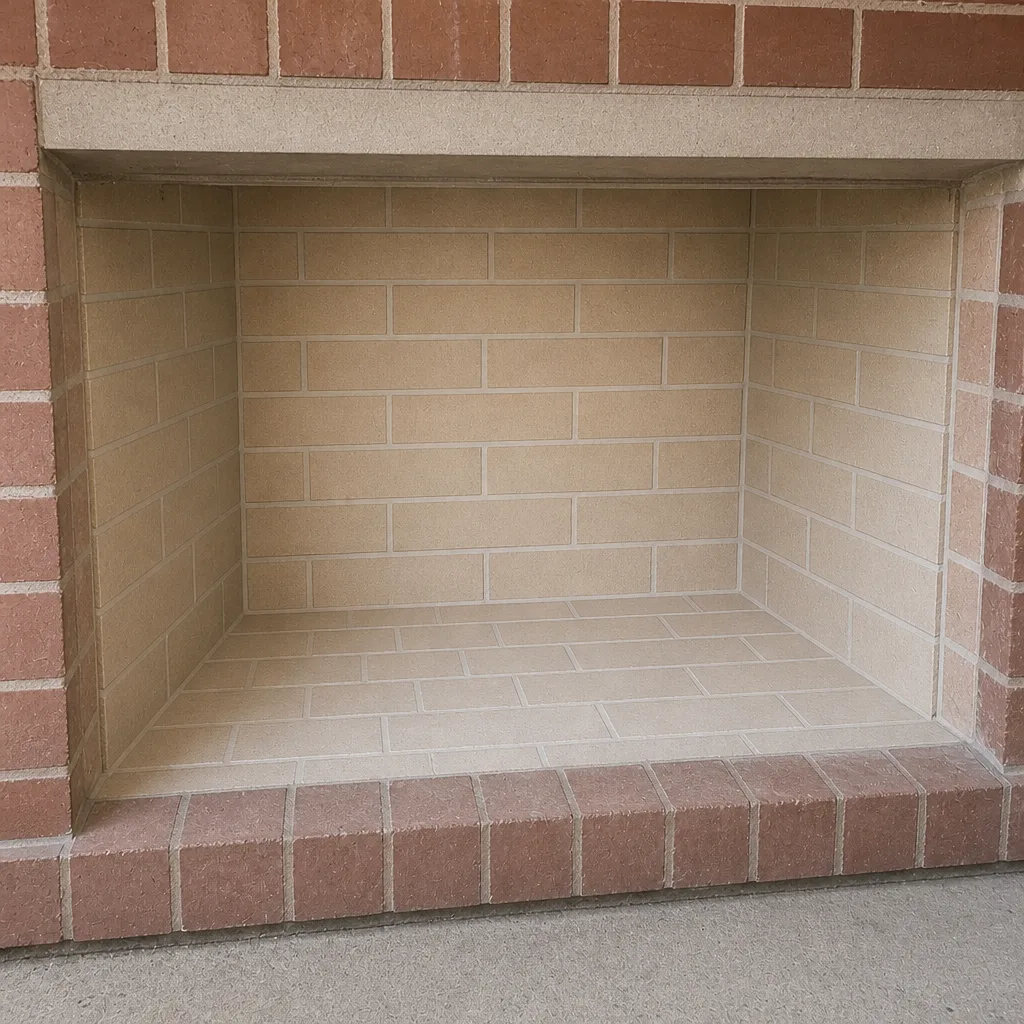
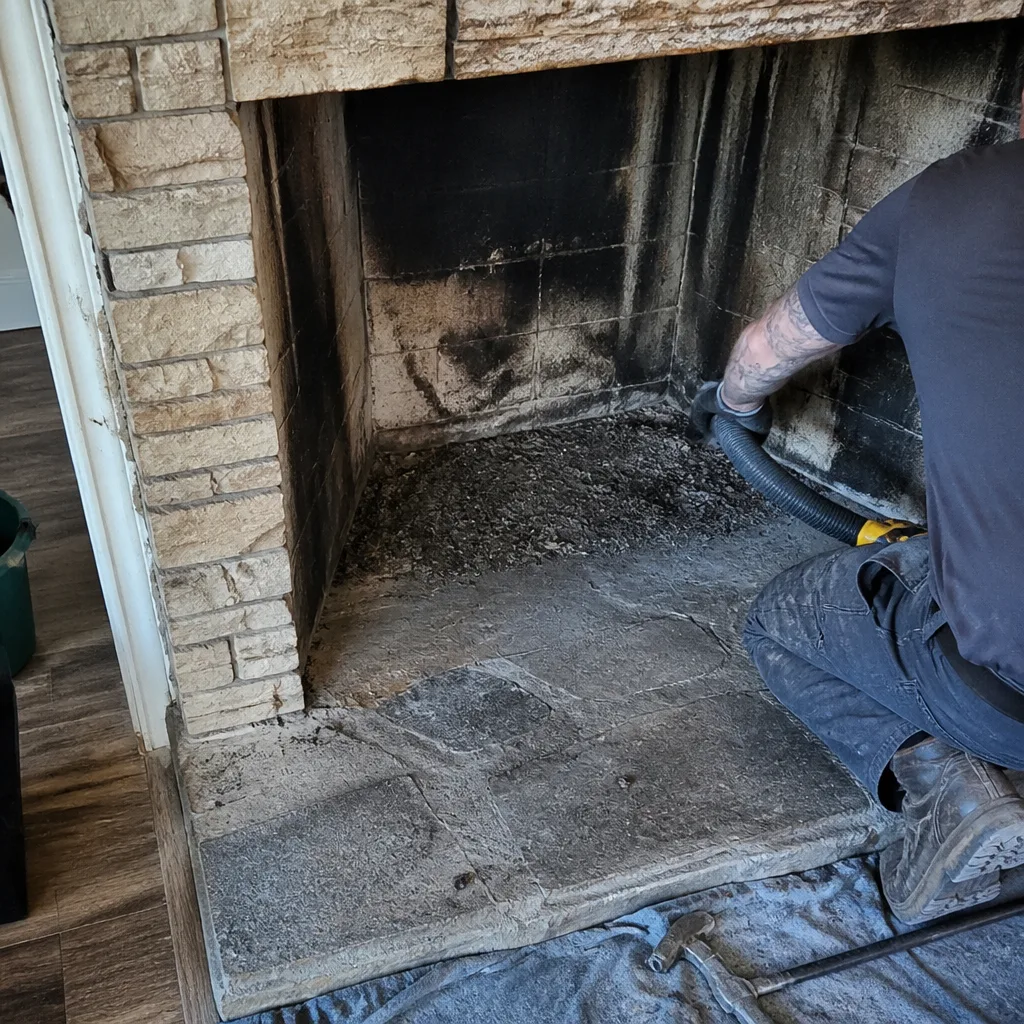
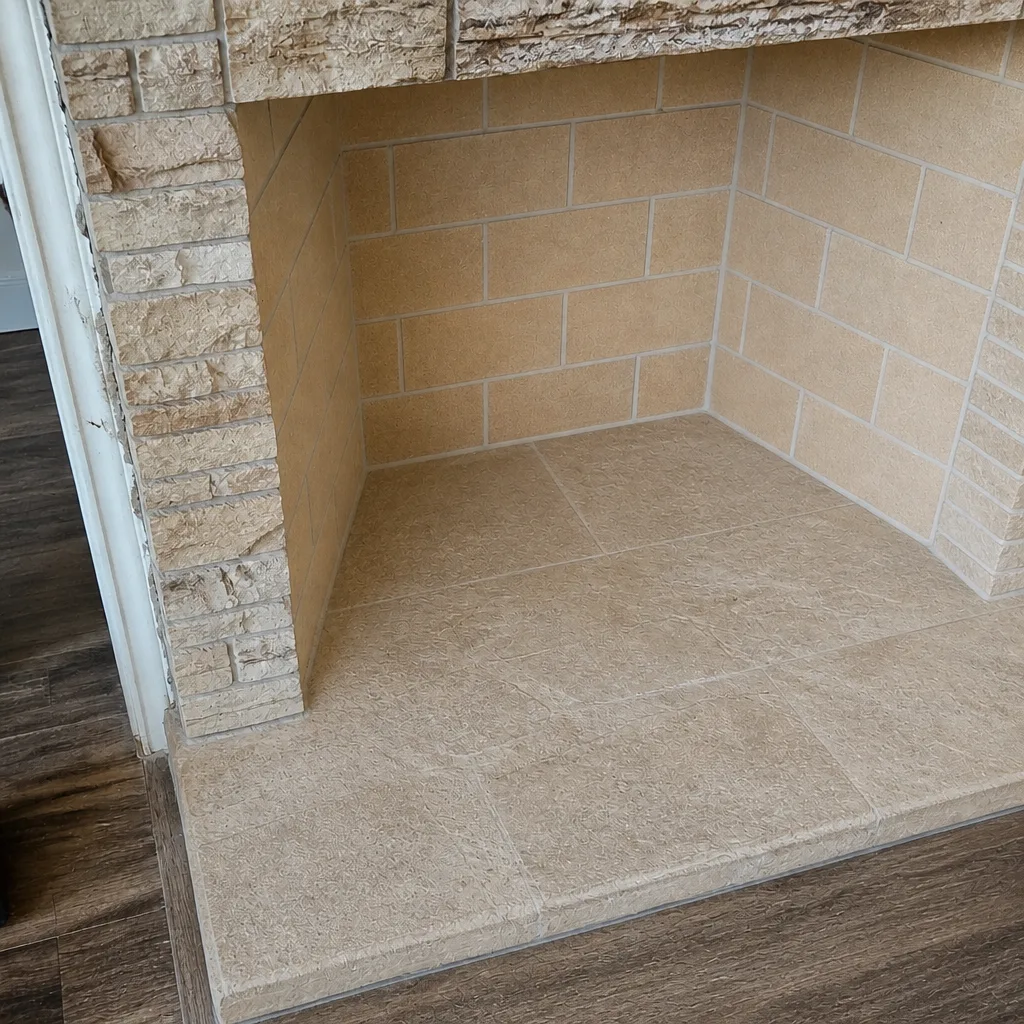
See the difference
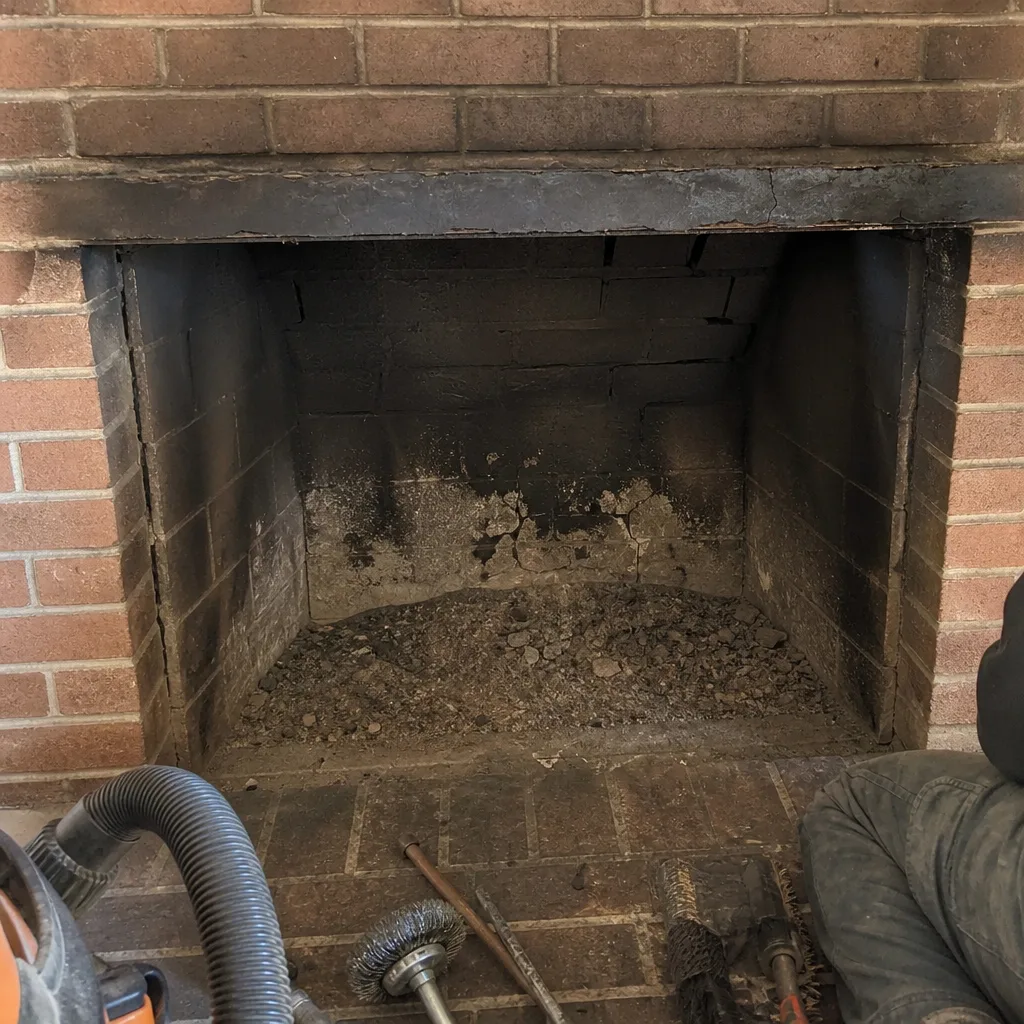 Before
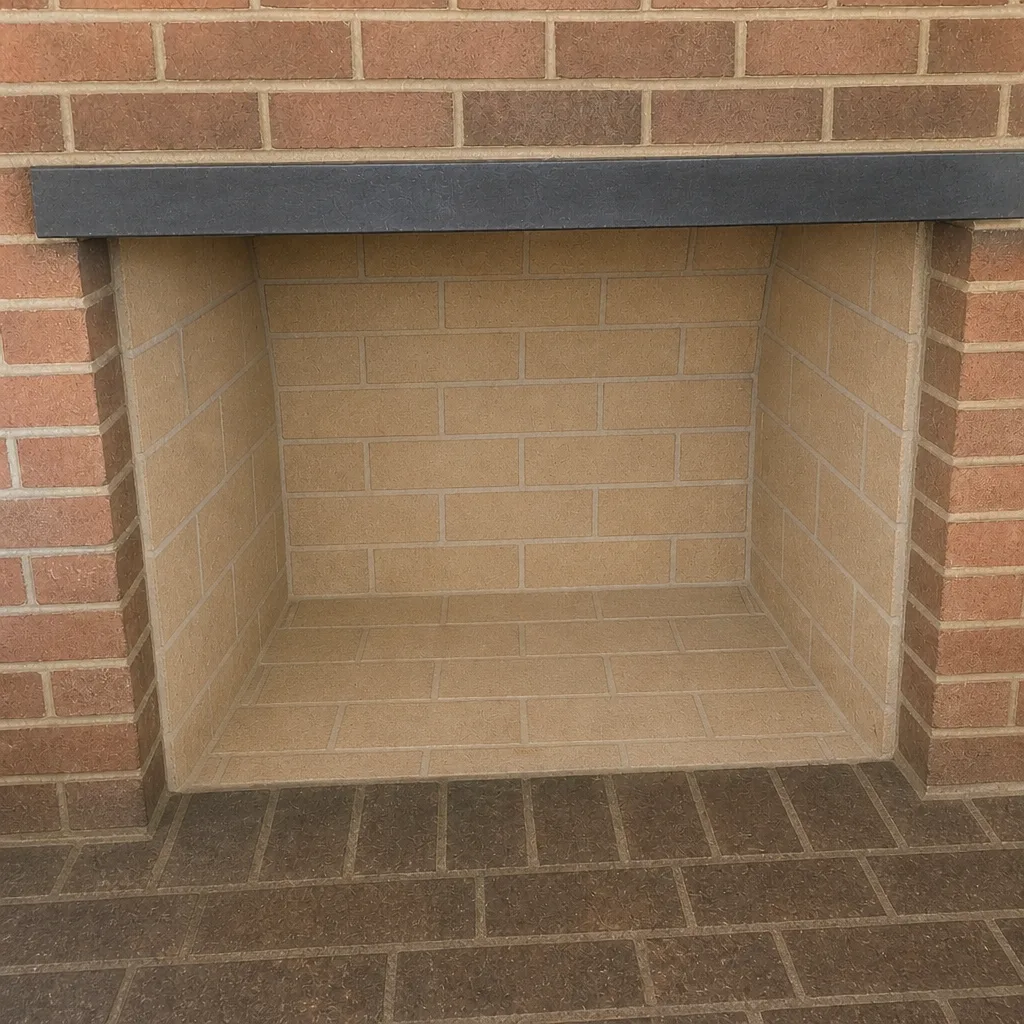 After
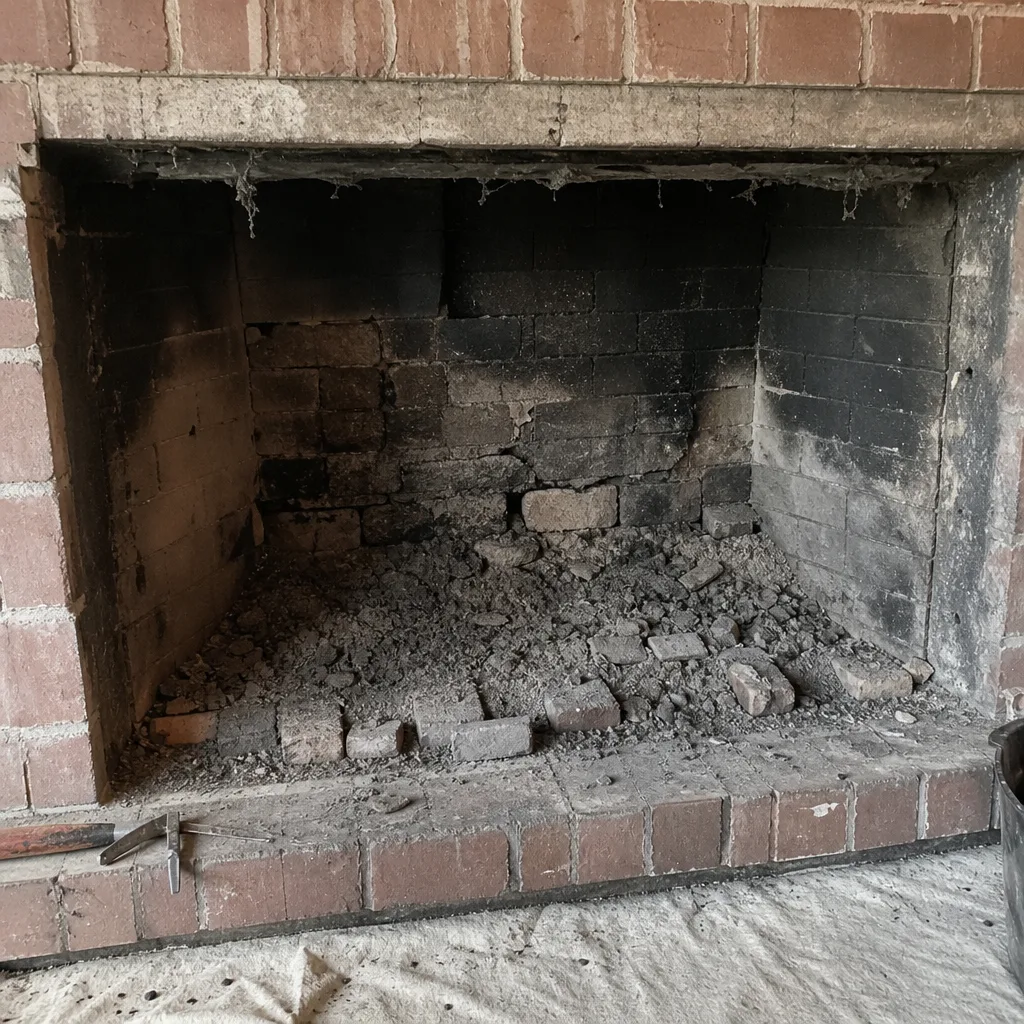 Before
 After
 Before
 After
When to Call a Professional
Call now – not “on the next scheduled visit” – if you see any of the following: horizontal cracks or spalling brick on the chimney, a puffy or honeycombed creosote layer visible through a camera or a bright light, smoke on certain wind directions that no amount of opening the damper fixes, a strong campfire smell in the room with no fire burning, cracked or displaced flue tiles, or hot surfaces and burning smells around the dryer vent. Call before your next fire if it’s been more than a year since the last sweep. A sweep and inspection together take a couple of hours and give you a full picture of what’s intact and what needs work. If something turns up, we handle the repair in the same visit – no second contractor, no second trip. Chimney Sweep Thornton offers free estimates in Thornton – call (866) 361-5660. We answer 24/7. Fast dispatch from 7am to 7pm, Sunday through Friday.
Frequently Asked Questions
The most common warning signs are white efflorescence on the brick, horizontal cracks or spalling brick on the chase, a smoky odor in the room when the fireplace is idle, smoke on certain wind directions, and heavy crumbly or glazed deposits inside the flue. Any one of them is reason to book a sweep and inspection. Any combination is reason to stop using the fireplace until it’s inspected. Call (866) 361-5660 for an exact quote – estimates are free.
Once a year for most homes. Homes burning heavily through the winter – more than about a cord of wood a season – benefit from a mid-season check as well. Front Range winters are long and cold, which means more burn cycles and more creosote than a mild climate produces on the same schedule. If it’s been more than a year since the last sweep, book one. Call (866) 361-5660 for an exact quote – estimates are free.
White staining, or efflorescence, is salt driven to the surface by water moving through the masonry. It’s not cosmetic – it’s a sign that water has found a path into the brick, usually through a cracked crown, a bad flashing detail, a missing cap, or a leaking flue. Repointing or painting over the stain without stopping the water just postpones the same failure. The fix starts with locating the path. Call (866) 361-5660 for an exact quote – estimates are free.
Four signs point to a fire that may have happened without you noticing: puffy or honeycombed creosote inside the flue, cracked or displaced flue tiles, heat-damaged metal at the cap or flashing, and scorched masonry near the top of the chimney. Any of these means stop using the fireplace and book a camera-based Level 2 inspection before the next fire – the interior can look fine from outside. Call (866) 361-5660 for an exact quote – estimates are free.
Often, yes. Our scope covers cleaning and repair together, so a cracked crown, a compromised flue liner, or a flue interior that needs resurfacing can be addressed in the same visit instead of handing you off to a second contractor. Repairs use material we stock and specify for your flue, including DuraFlex liners and HeatShield resurfacing. Call (866) 361-5660 for an exact quote – estimates are free.
Yes, and it’s worth doing them together. The dryer vent is one of the leading causes of residential fires, and it’s invisible from the outside of the house. Lint buildup doesn’t announce itself until clothes take twice as long to dry or the dryer gets hot to the touch. Booking both on the same visit keeps your two venting systems on one schedule. Call (866) 361-5660 for an exact quote – estimates are free.
The Bottom Line
Chimney problems don’t arrive all at once. They announce themselves in stages: a faint white stain, a hairline crack that runs sideways, a smoky summer smell, a fire that drafts badly only on windy days. Read those signs early and you’re looking at maintenance. Ignore them and you’re looking at the repair that was going to happen anyway, plus the cost of waiting. Our technicians have up to 10 years of experience reading exactly this evidence, and our scope covers cleaning, repair, and dryer vent work in one place. If you’re seeing any of the signs in this guide, book a Chimney Sweep Thornton sweep. Call (866) 361-5660. We answer 24/7. Fast dispatch from 7am to 7pm, Sunday through Friday.
Written by the team at Chimney Sweep Thornton.