
Last updated November 15, 2026
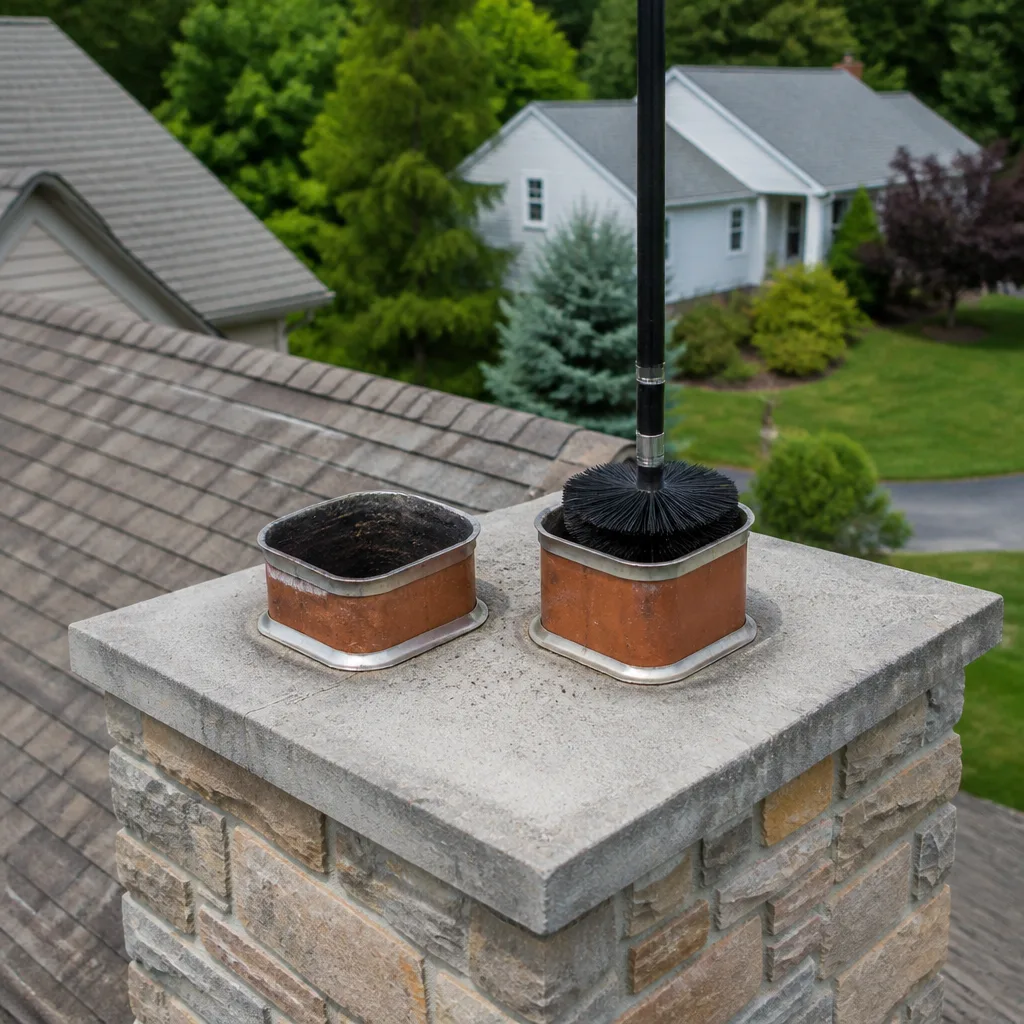 Sweep & inspection
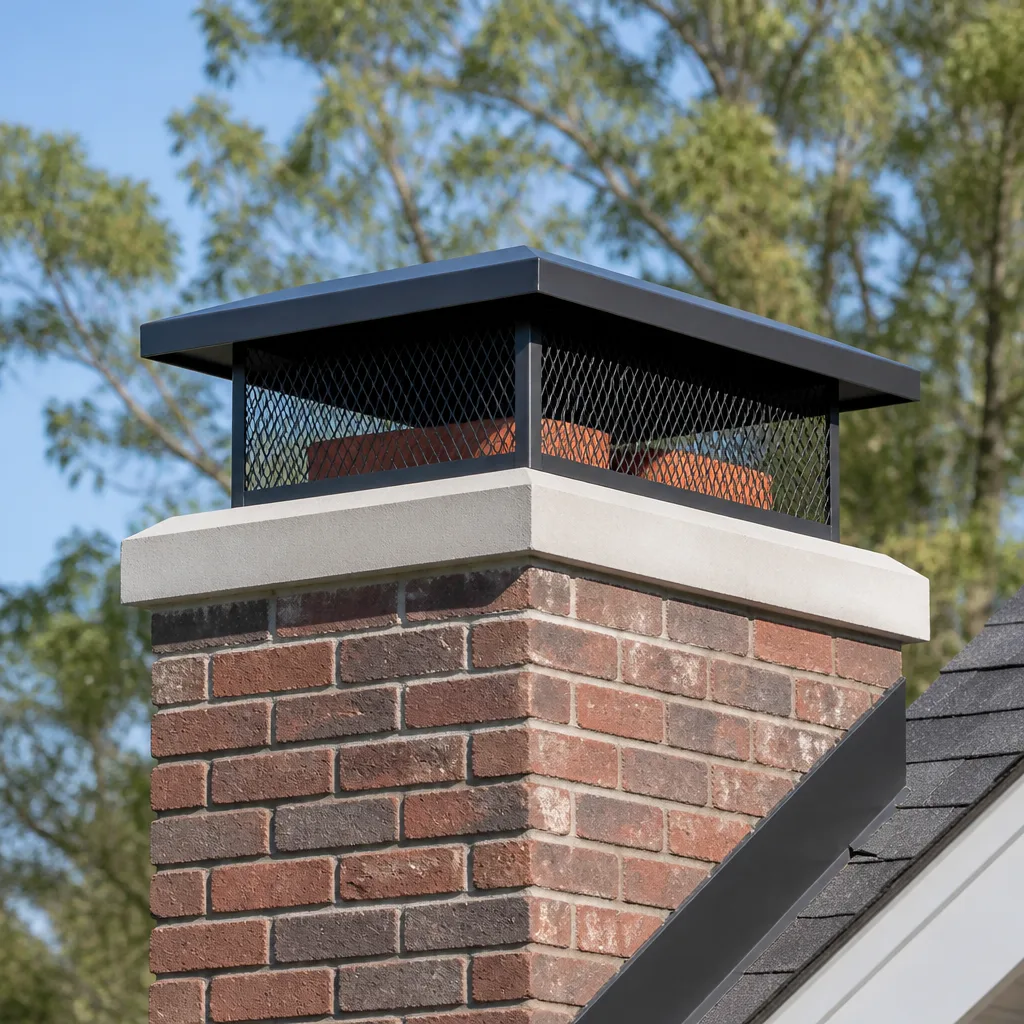 Caps & crowns
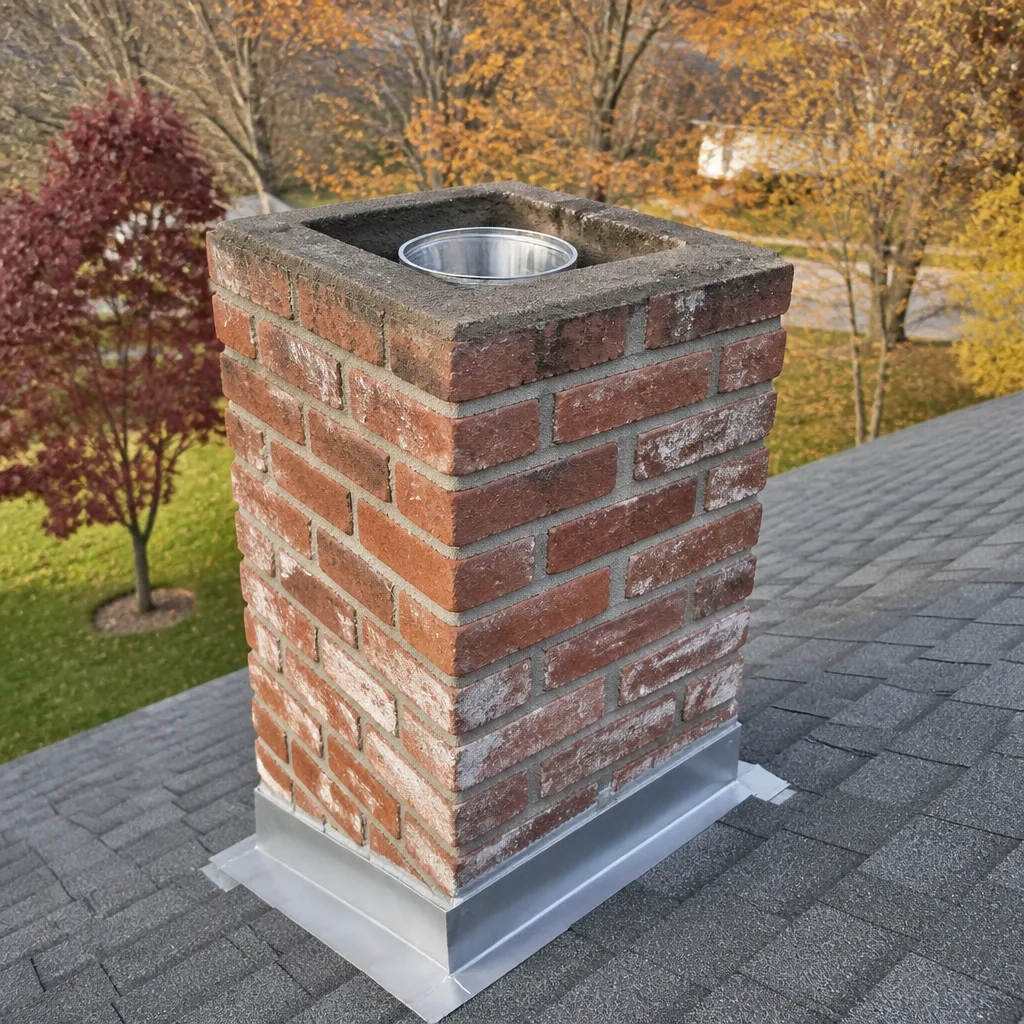 Flue relining
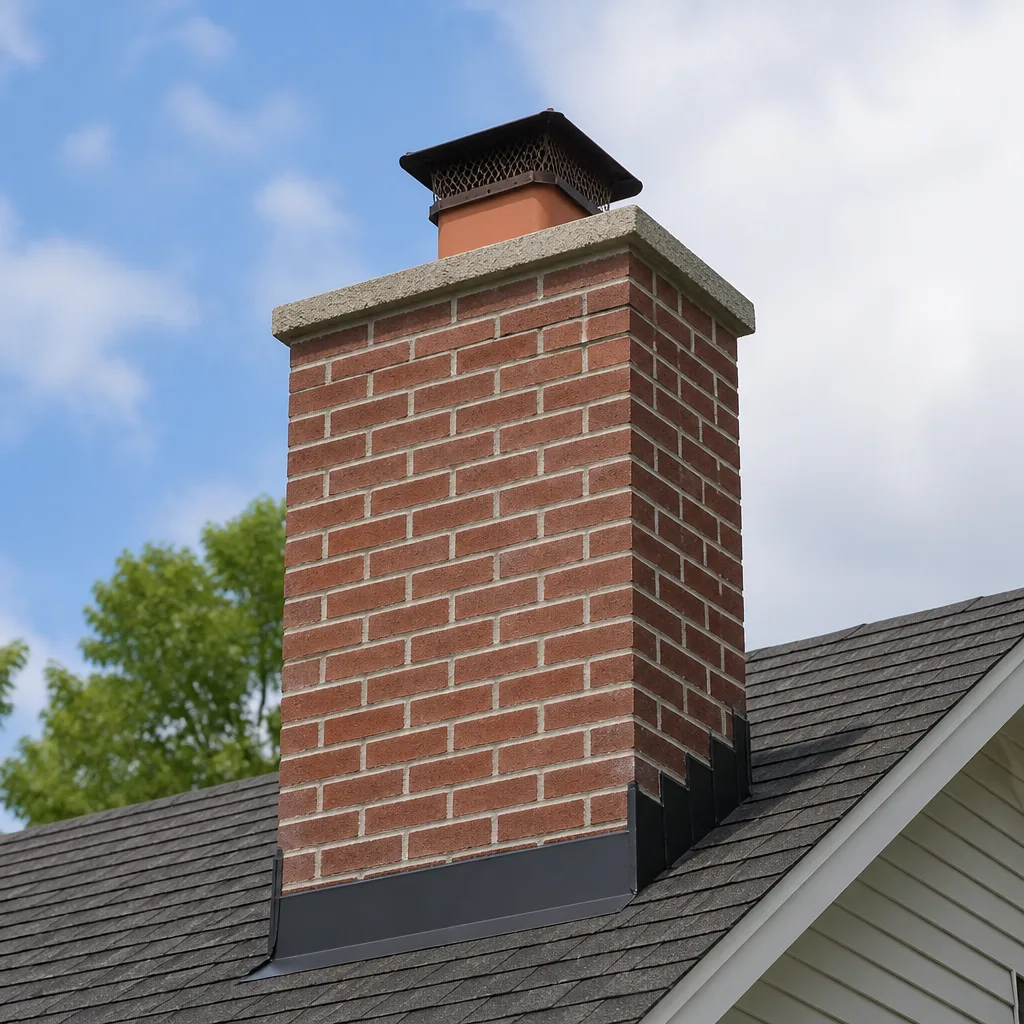 Masonry repair
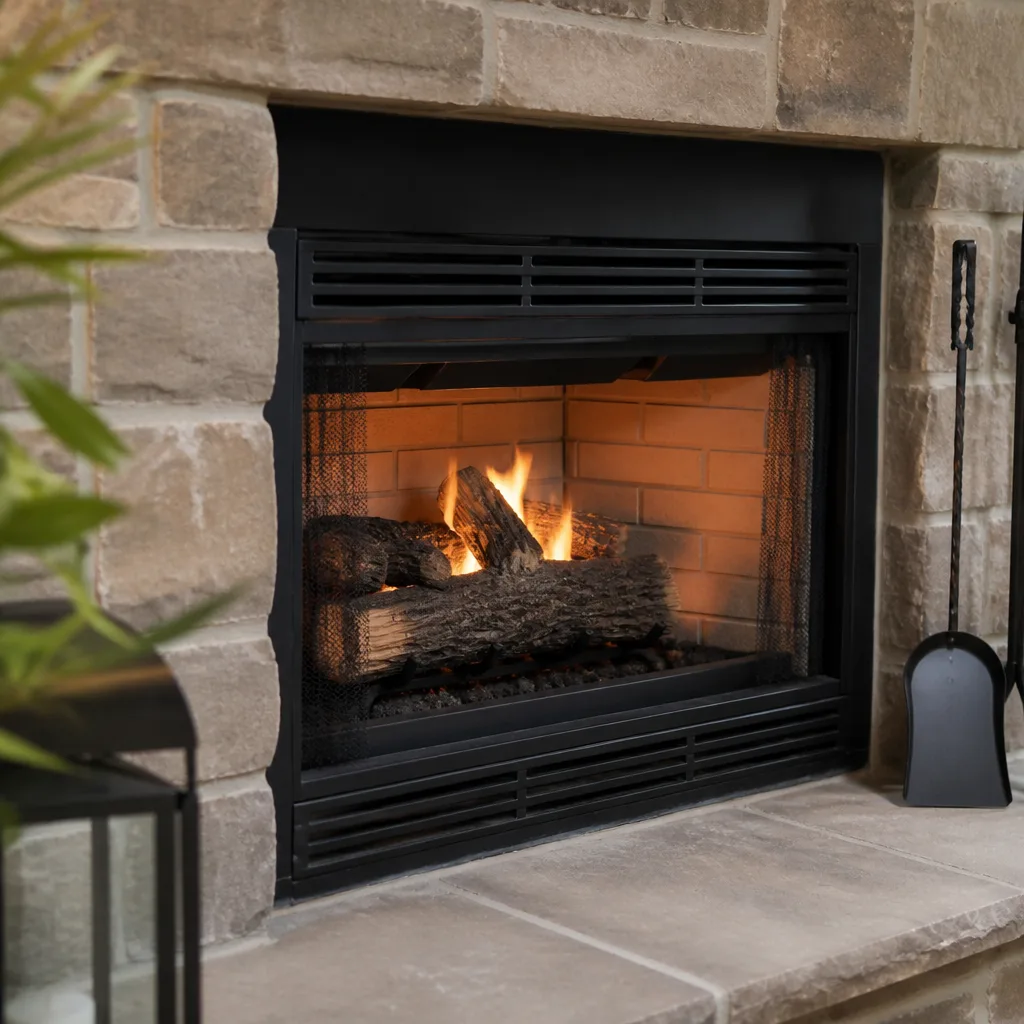 Gas fireplace service
Level 1 sweep and inspection to the NFPA 211 annual standard - flue, crown, cap, and flashing checked and photographed
Chimney sweep logs do not sweep chimneys. They loosen some creosote - which then falls where a brush and vacuum still have to collect it.
Chimney Sweep Maintenance Schedule: What to Do and When
Most homeowners carry a single rule in their heads: sweep the chimney once a year. It sounds tidy. It also assumes every house burns the same amount of wood, runs the same appliance, and vents the same way. That’s rarely true. A household that lights fifteen fires in a winter and one that burns five cords a season don’t share a risk timeline, yet both get told “annual” and both feel done. The right schedule is use-based and system-specific, and it changes by what you actually burn. In this guide we’ll walk through the clocks that matter here in Thornton: wood, gas, and dryer vents, plus the seasonal task lists that catch problems before they cost you.
Quick Answer
There’s no single calendar date that fits every chimney. The working rule is this: wood-burning chimneys should be inspected every year and swept when there’s about 1/8 inch of creosote buildup, gas inserts need a yearly inspection focused on corrosion and moisture rather than soot, and dryer vents should be cleaned roughly once a year with more frequent checks in homes with long vent runs. In Thornton, book your pre-season inspection in early fall and a follow-up look in spring after the burning season ends.
Styles & brands we work with
- Sweep & inspection
- Caps & crowns
- Flue relining
- Masonry repair
- Gas fireplace service
Table of Contents
- Why “Once a Year” Is the Wrong Mental Model
- Burn Volume: When You Actually Need a Mid-Season Cleaning
- Gas Fireplace Flues Run on a Different Clock
- The Dryer Vent Interval Almost Everyone Ignores
- Early Fall: The Pre-Season Checklist
- Spring: What to Check After the Last Fire
- Cap, Crown, and Flashing Each Have Their Own Service Life
- When to Call a Professional
Why “Once a Year” Is the Wrong Mental Model
The annual inspection standard that most chimney guidance references was written for wood-burning systems that see heavy seasonal use. Those systems earn their annual cleaning. But the tick on your calendar doesn’t tell you how much creosote has formed, and creosote is what actually decides the timing. If you’ve burned a few fires a month, you may be operating well below the wear a heavy burner produces. If you burn steadily and often, you may be driving past a real cleaning interval while everyone around you waits for January.
Here in Thornton, most fireplaces run a seasonal pattern: real use from late fall through the cold months, then an idle stretch through warm weather. That idle stretch is where a lot of maintenance actually happens, because the deposits left behind settle, harden, and in some cases pull moisture. A spring check catches those conditions; a fall cleaning keeps the flue clear for the next burning season. Both matter, and neither one alone is a full schedule.
We think of chimney maintenance as three separate clocks running at once: the wood-burning clock, the gas-appliance clock, and the venting clock for appliances like dryers. Each one has its own interval and its own warning signs. The rest of this guide breaks them out one at a time.
Burn Volume: When You Actually Need a Mid-Season Cleaning
Burn volume is the single biggest factor most homeowners never factor in. The amount of creosote that forms comes down to how much wood you burn, how dry that wood is, and how the fire is run. A steady overnight fire on seasoned hardwood leaving a slow, cool burn produces very different deposits than a quick hot fire in the evening. Cool, smoldering fires leave more creosote behind than hot, clean ones.
As a practical threshold, most of our clients should call for a cleaning when the chimney has accumulated enough glazed creosote to restrict draft and raise the fire risk. That’s a physical measure, checked during an inspection, not a date. If you’re a heavy wood burner, you’ll know you’re crossing that threshold when you notice:
- Draft that’s gotten noticeably weaker than it was earlier in the season
- A strong smoky smell inside the room when the fire is out
- Thick, black, or glossy deposits visible when you open the damper
- Smoke that lingers instead of drawing up cleanly on a fresh fire
If any of those are present, don’t wait for spring. Call your sweep, describe the signs, and book a cleaning. If you can’t remember whether the flue was ever cleared after your last heavy season, that’s a good enough reason to check. We’ve seen strong home-safety differences just from mid-season cleaning in heavy-burn homes.
For the light burner who lights a handful of fires across the winter, a single pre-season sweep is usually sufficient. The annual inspection still matters, but the cleaning frequency can drop. The point is that it’s use-based, not calendar-fixed. For more detail on the annual service itself, see our chimney sweep page.
Gas Fireplace Flues Run on a Different Clock
A gas insert looks cleaner than a wood fire, and it is – no ash, no soot on the logs. But it has its own failure modes, and creosote isn’t one of them. What actually degrades in a gas flue is the metal and the venting. Condensation from the combustion process can oxidize metal components, rust the vent pipe, and in some cases loosen the joints or connections inside the flue assembly. That’s moisture and metal wear, not soot.
Because of that, a gas insert needs its own annual inspection, focused on:
- Visible corrosion or rust at the flue connector and vent pipe seams
- Loose joints, damaged gaskets, or shifting vent components
- Signs of moisture at the cap, the top of the flue, or the appliance area
- Pilot, glass, and refractory wear if applicable to your model
One inspection per year is a good baseline for gas. If the gas insert is used heavily, or if the vent run is long or routed through an unheated space, a second check mid-season is worth the call. In gas systems, an unnoticed rust hole can leak combustion gases back into the room, which is exactly the scenario your carbon monoxide alarm is there to catch. Don’t rely on the alarm as your inspection; use the inspection as what makes the alarm a backup rather than your only defense.
The Dryer Vent Interval Almost Everyone Ignores
Most homeowners think of their chimney as the only venting system in the house that needs annual attention. It isn’t. A dryer vent is a venting system on a completely different clock, and it’s the one most people ignore until the dryer feels slow. That “slow drying” symptom is a lint clog accumulating at a bend or along a long run, and it’s also the condition that lets lint build up near heat. Our dryer vent cleaning service exists because that’s a different risk than chimney creosote, and it deserves its own schedule.
For most homes, once a year is the right interval. But in Thornton, there’s a wrinkle: newer construction tends to have tighter building envelopes and longer vent runs, and both of those make lint accumulate faster. A house with a straight, short vent run to an exterior wall can go longer between cleanings. A home where the vent snakes through a finished basement or runs up through the roofline tends to hit lint buildup much sooner. If your dryer is in a closet with a long exhaust run, plan on a yearly cleaning, and possibly a mid-year check if drying times start creeping up.
Signs your dryer vent needs attention sooner than annual:
- Clothes come out damp after a full cycle, or take longer to dry than they used to.
- The outside vent flap doesn’t open fully when the dryer runs.
- The top of the dryer feels hot to the touch after a cycle.
- Lint keeps collecting on the floor or wall around the dryer, even after cleaning the trap.
If any of those appear, don’t wait for the next scheduled cleaning. Dryer vent lint is one of the most under-inspected fire risks in a home. For the local picture and how the service works, our Thornton page covers it.
Early Fall: The Pre-Season Checklist
Before the first real fire of the season is when most of your scheduling work should be finished. The weather is mild, the chimney is idle, and any debris left over from summer is still reachable. This is the window to get ahead of the cold months instead of scrambling after the first cold snap.
Your early fall tasks, in order:
- Book the inspection. Schedule your annual sweep before the burning season starts, so you have time for any repair the inspection turns up. If it’s been a couple of seasons, put a cleaning on the ticket too.
- Check the cap and spark screen. A loose or missing cap lets rain, birds, and debris in. If the screen is torn, replace it before fall leaves fall in.
- Confirm your smoke and carbon monoxide detectors work. Batteries and test button. This is the one-step task nobody remembers, and it’s the one that catches everything else.
- Have your wood inspected. Seasoned wood burns clean; green or damp wood leaves more creosote. If the stack you have is questionable, get a fresh load and let it cure.
- Schedule the dryer vent cleaning before the holiday laundry rush, when the dryer will run hard for weeks.
- Close the damper when the fire is out. That one habit pays for itself by keeping warm house air inside and cold autumn air outside.
A pre-season sweep is normally a straightforward, same-day appointment. Our team runs fast dispatch from 7am to 7pm, Sunday through Friday, so a fall inspection usually fits your schedule without a wait. Our technicians have up to 10 years of experience, and we’re happy to talk through what your inspection will cover before we book it.
Spring: What to Check After the Last Fire
Spring is the other half of the schedule, and it’s the one most people skip. Once the season’s last fire is out, the chimney has just finished its hardest work. That’s when you can see what the winter did. Spring’s tasks fall into two buckets: inspect visually, and clean up what accumulated.
Your spring tasks:
- Inspect the firebox and damper visually when the chimney is cool. Look for loose brick, crumbling mortar, or a damper that doesn’t sit flat.
- Look at the cap and crown from the ground with binoculars if you’re comfortable. Cracks, tilting, or missing pieces are a spring conversation point.
- Watch for moisture inside the firebox after spring rain. Damp walls or rusty damper hardware mean water is finding a way in. That’s often a crown or flashing issue, not a wood problem.
- Schedule your spring inspection if your annual sweep was done in the fall and you want a second look. A post-season inspection catches conditions the fall check couldn’t see, like a liner that shifted over the winter or a cap that worked loose in a windstorm.
- Run the dryer vent cleaning again if winter laundry was heavy, or at least note it on your fall booking.
A spring check is also the correct time to plan any repair work. In Thornton, spring weather is mild enough that roof work and crown work can happen without delays, and getting on the schedule earlier means fewer surprises when fall comes around. See Chimney Sweep Thornton for how we sequence cleaning and repair.
Cap, Crown, and Flashing Each Have Their Own Service Life
The chimney exterior isn’t one system with one checklist. The cap, the crown, and the flashing are three separate parts with three separate wear patterns and three separate replacement timelines. Lumping them into “annual inspection” hides when each one is actually due.
- The chimney cap is your first line of defense against rain, birds, and debris. Caps wear out from weather exposure and can loosen, pit, or lose their screen. Expect a good cap to last years, but check it every season. A loose cap is an easy fix that snowballs if it’s ignored.
- The crown is the concrete or masonry surface at the top that sheds rainwater away from the chimney. Crowns crack with freeze-thaw cycles, and Thornton sees plenty of those. A hairline crack in spring can become spalling concrete by the following spring if water gets underneath and freezes. This is where a sealant or repair-grade surface material pays off. We use HeatShield for chimney resurfacing when the interior of the flue is compromised, and the same attention to the crown keeps the exterior sound.
- The flashing is the metal that seals the chimney where it meets the roof. Flashing rarely fails at once; it usually degrades at the sealant edge. If your flashing is over a decade old or you’ve had recent roof work, ask for a flashing check. Roof leaks near the chimney are often flashing leaks, not roof failures.
We specify our repair materials carefully for a reason. DuraFlex liner systems and Olympia Chimney products are built to a standard we can defend to a homeowner, so when a repair is recommended it’s a repair-grade fix rather than a temporary patch. A damaged liner, crown, or flashing is found during your sweep and fixed before we leave, which avoids a second contractor and a second visit.
Common Mistakes to Avoid
- Treating “once a year” as the only rule. It’s a starting point, not a complete schedule. Note your burn volume, your appliance type, and your dryer vent run – those decide when the cleaning actually fires.
- Waiting until the first cold week to schedule. In Thornton, fall scheduling fills quickly once the first cold snap arrives. Book your pre-season inspection in early fall, while there’s time for any repair.
- Skipping the gas insert because it “doesn’t put out smoke.” Gas flues don’t accumulate creosote, but they can rust, loosen, and leak. The inspection is for corrosion and moisture, not soot.
- Ignoring the dryer vent because the dryer still runs. A dryer running fine can still have a lint-clogged vent behind the wall. The yearly cleaning is what prevents that from becoming a fire risk.
- Treating the cap, crown, and flashing as one annual checkbox. Each has its own wear timeline. Cracks in the crown in a freeze-thaw climate like ours don’t fix themselves, and a loose cap only gets worse.
- Burning green or damp wood to save a little effort. It works, but it leaves more creosote, and creosote is what makes the mid-season cleaning urgent.
- Assuming a repair found during the sweep needs a separate contractor. It usually doesn’t. One specialist can handle the cleaning and the repair in the same visit, which saves a trip and keeps the story straight.
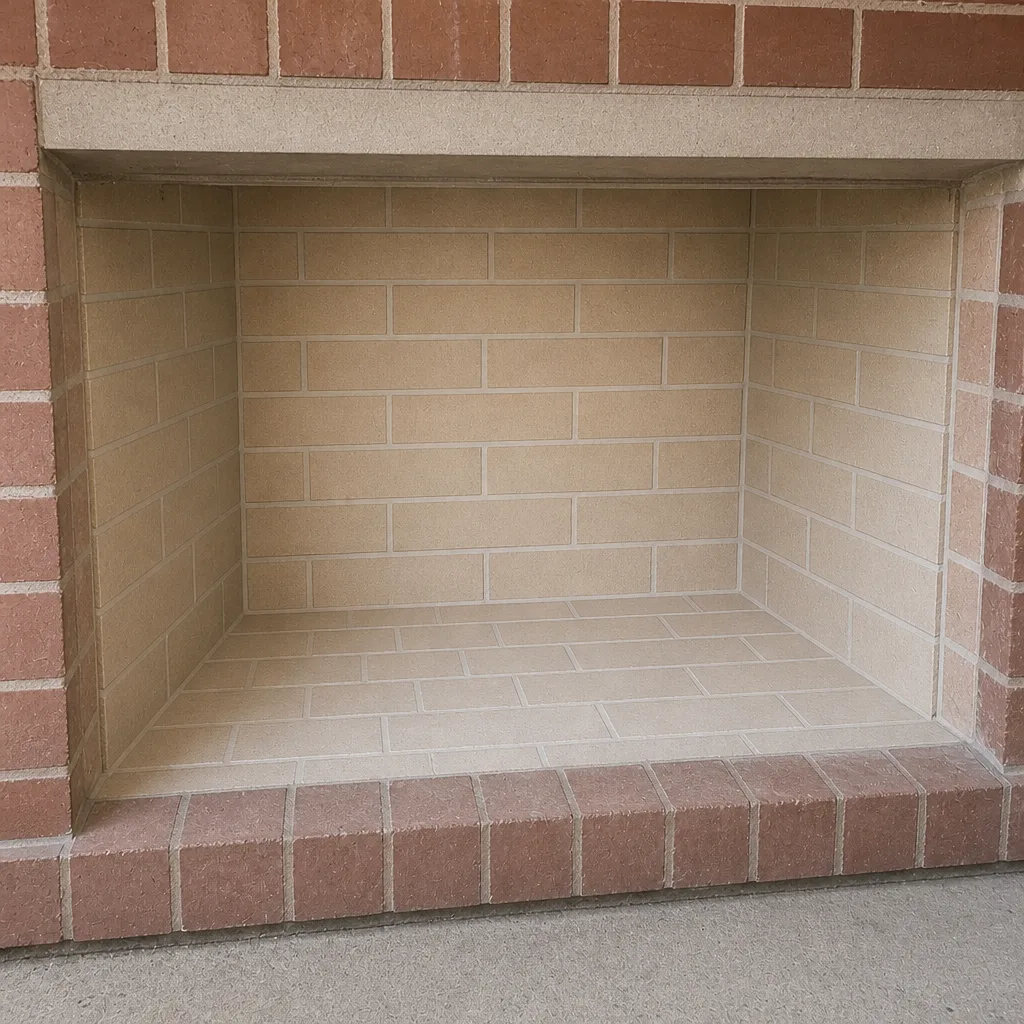
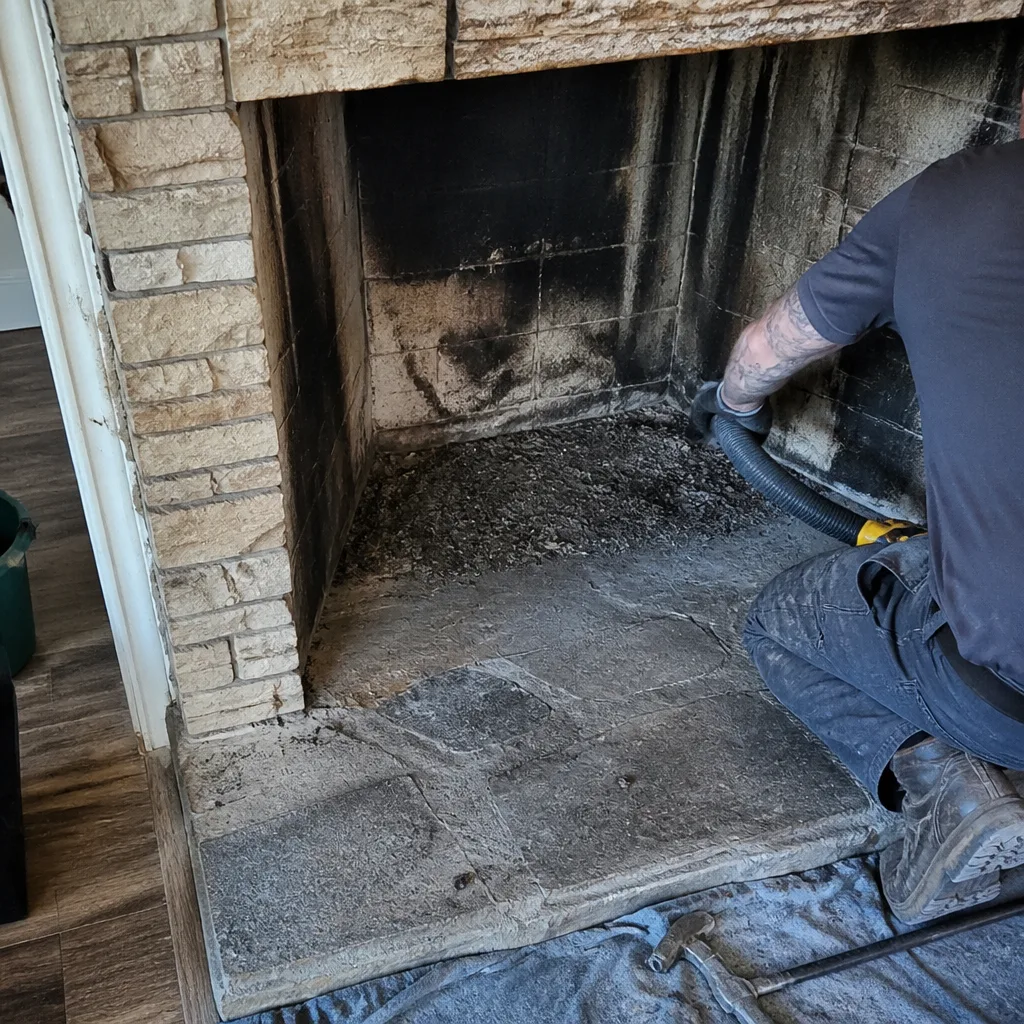
See the difference
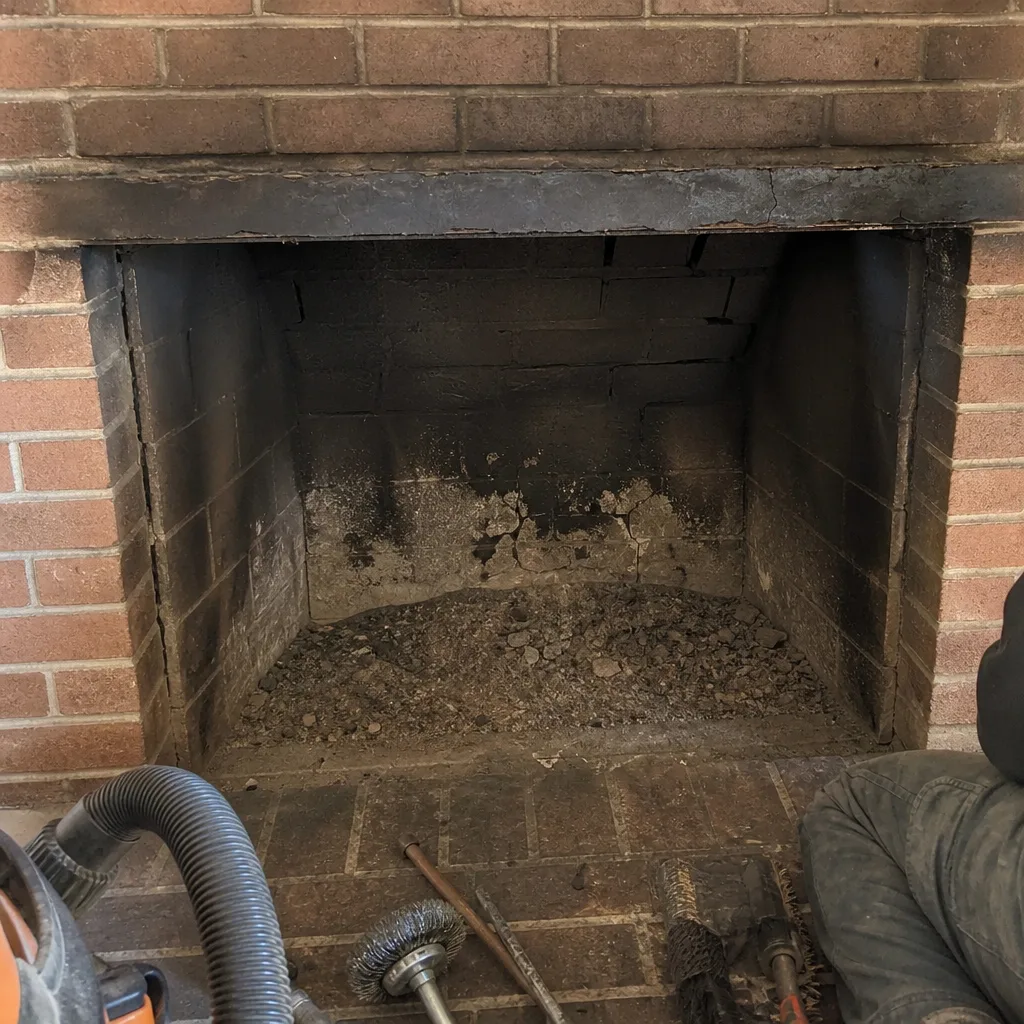 Before
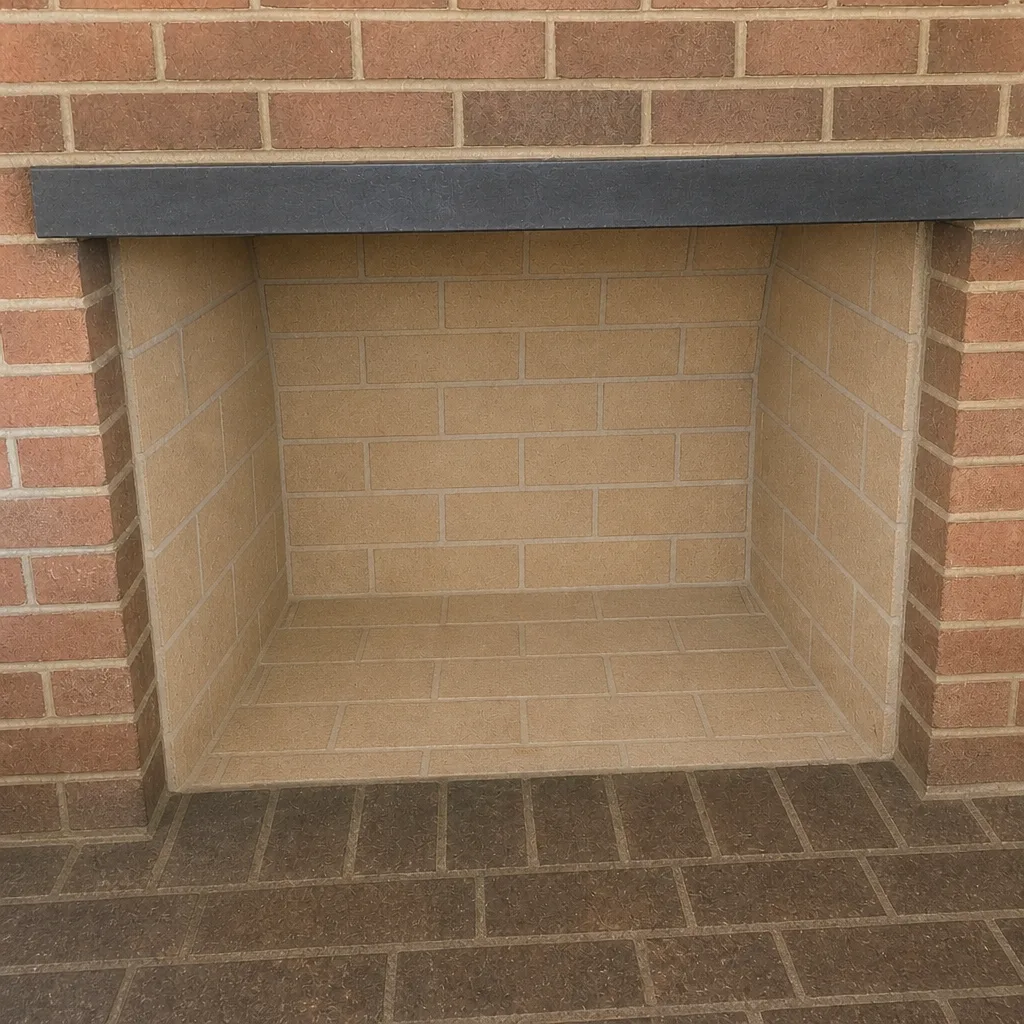 After
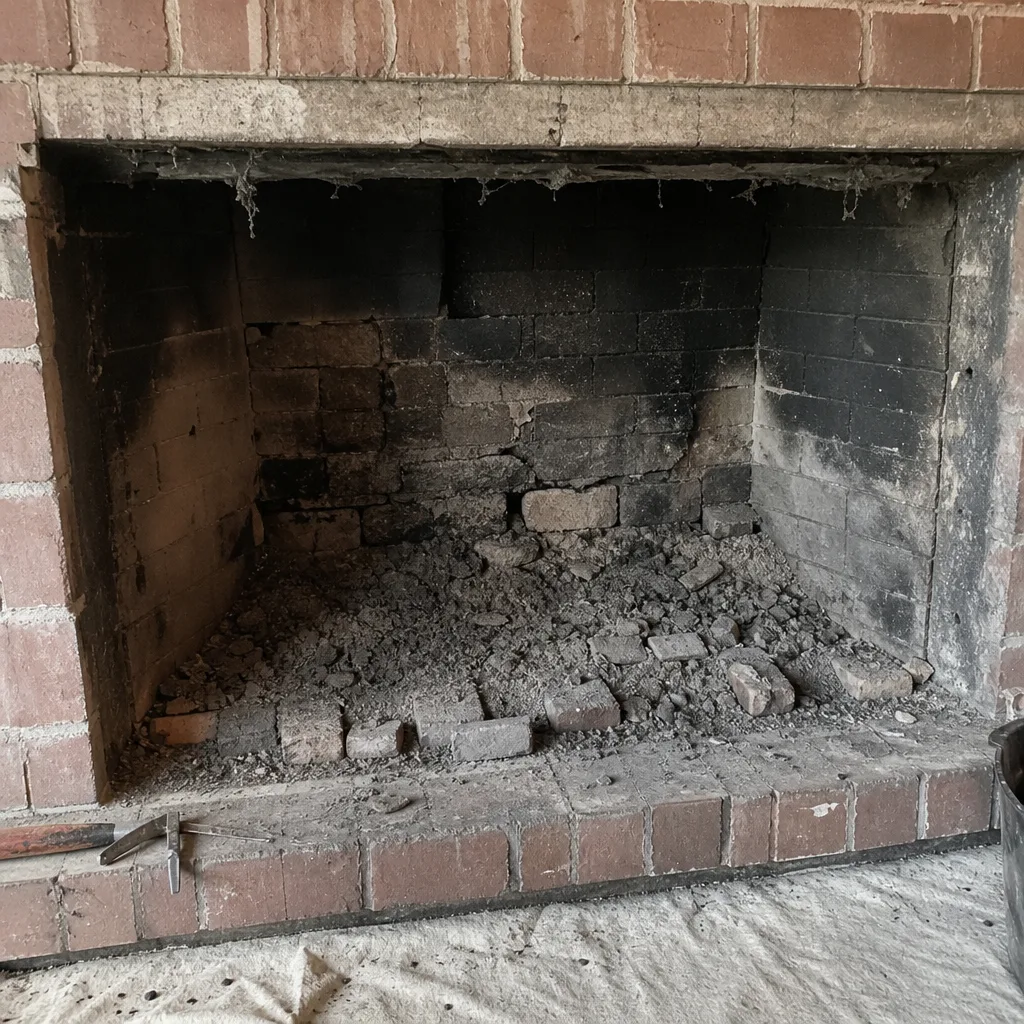 Before
 After
 Before
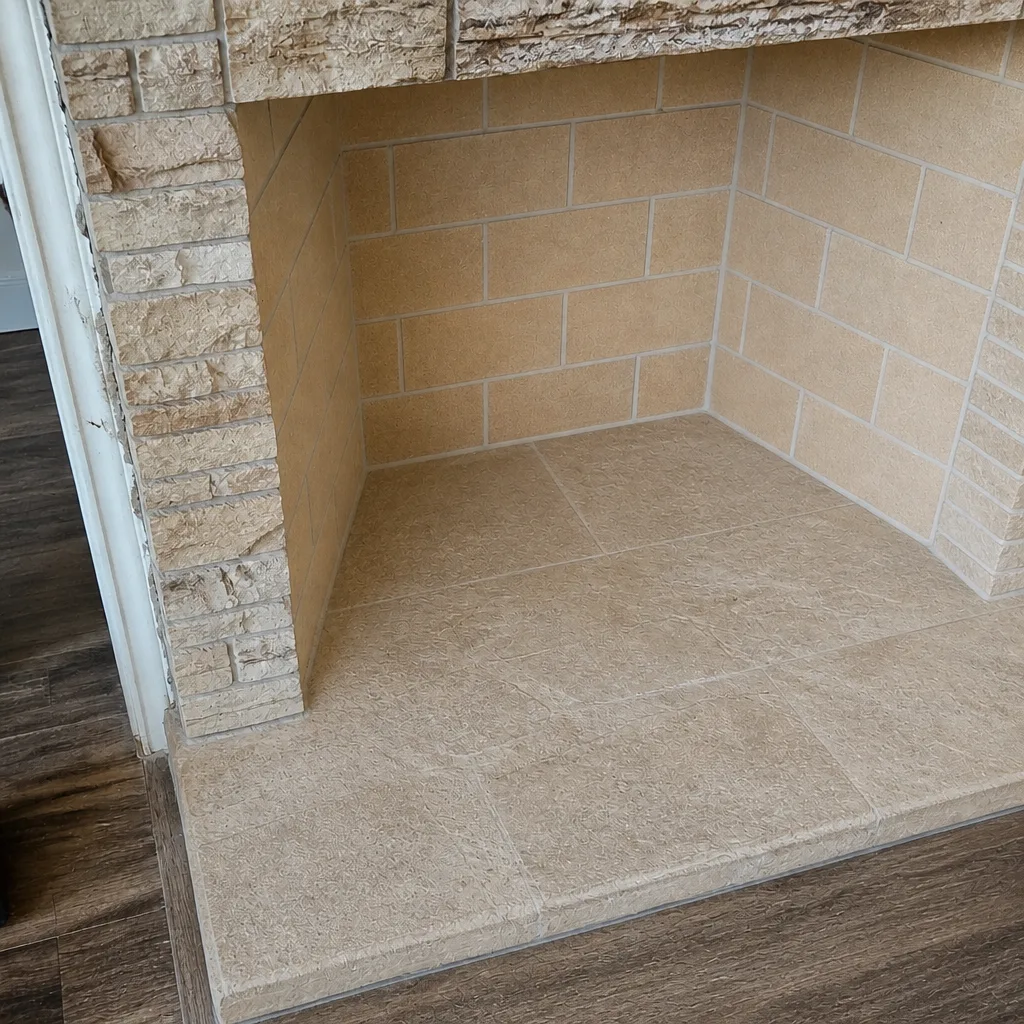 After
When to Call a Professional
Some jobs are a call to us, not a DIY task. If you haven’t had an inspection since the last burning season, or you’re not sure when the chimney was last swept, that’s a call. If you see visible creosote buildup, heavy smoke, weak draft, or a strong smoky smell indoors, that’s a call. If a gas insert has rust, a loose vent joint, or water stains, don’t test it yourself. If your dryer vent has never been cleaned, or the dryer is taking longer than it should, that’s a call too. Chimney sweep, chimney repair, and dryer vent cleaning under one roof means a single visit can answer the whole question. Chimney Sweep Thornton offers free estimates in Thornton – call (866) 361-5660. We answer 24/7. Fast dispatch from 7am to 7pm, Sunday through Friday.
Frequently Asked Questions
Sweep frequency depends on use, not just the calendar. A home that burns wood regularly should be inspected annually and swept when there’s about 1/8 inch of creosote buildup. Light burners may need only a single pre-season sweep per year. Call (866) 361-5660 for an exact assessment of your flue – estimates are free.
Gas inserts don’t need sweeping in the traditional sense because they don’t produce creosote. They do need an annual inspection for corrosion, moisture, and vent-joint condition. Those are the real failure points in a gas flue, and they’re not something a visual look from the living room will catch. Call (866) 361-5660 if you’re due for an inspection.
Roughly 1/8 inch of creosote is the working threshold for a cleaning. That’s a physical measurement taken during an inspection, not something you can judge precisely by eye. If it’s been more than one season since your last sweep, or the fire has been smoky and draft has weakened, call (866) 361-5660 to book a cleaning.
Once a year is a good baseline for most homes. In newer construction with tighter envelopes and longer vent runs, lint tends to accumulate faster, and a yearly or mid-year cleaning may be needed. If the dryer takes longer to dry, the vent flap doesn’t open fully, or the top of the unit feels hot after a cycle, book a cleaning sooner. Call (866) 361-5660.
Early fall, before the burning season, is the best window for most homes. It’s also worth a spring check after the last fire, which catches conditions the fall inspection couldn’t see. Call (866) 361-5660 to schedule a pre-season or post-season inspection – estimates are free.
Each has a different wear pattern. The cap wears from weather and can loosen, the crown cracks from freeze-thaw cycles in a climate like ours, and the flashing degrades at the sealant edge. Treating them as one annual checkbox misses which part is actually due. Chimney Sweep Thornton checks all three during an inspection – call (866) 361-5660.
The Bottom Line
Your chimney doesn’t run on a calendar, it runs on use. Wood burners schedule around creosote buildup, gas inserts around corrosion and moisture, and dryer vents around lint. The practical schedule is a pre-season inspection in early fall, a post-season check in spring, and a mid-season call when burn volume or symptoms warrant it. Keep the cap, crown, and flashing in your head as three parts with three timelines. If you’d like a schedule tailored to your home’s system, call Chimney Sweep Thornton at (866) 361-5660 for a free estimate – we handle chimney sweep, chimney repair, and dryer vent cleaning as one specialist. We answer 24/7. Fast dispatch from 7am to 7pm, Sunday through Friday.
Written by the team at Chimney Sweep Thornton.