
Last updated November 15, 2026
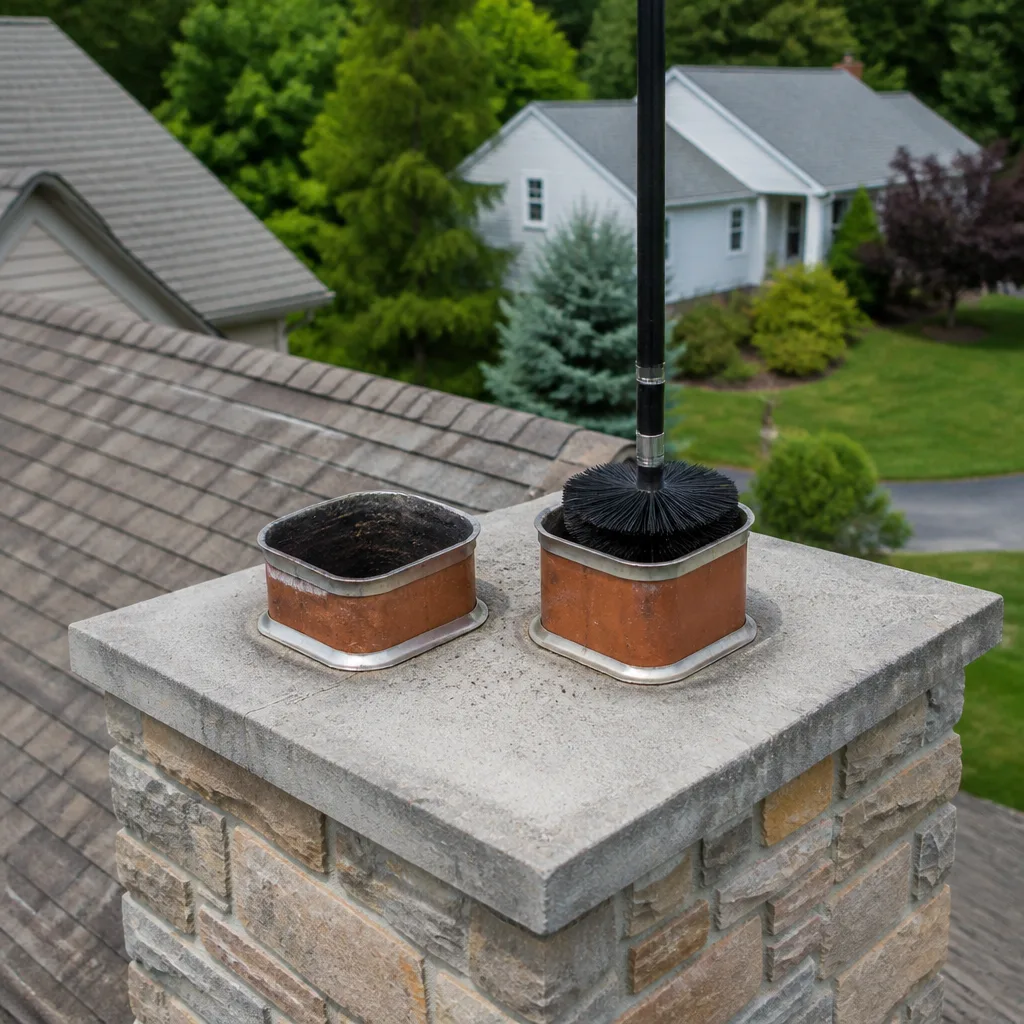 Sweep & inspection
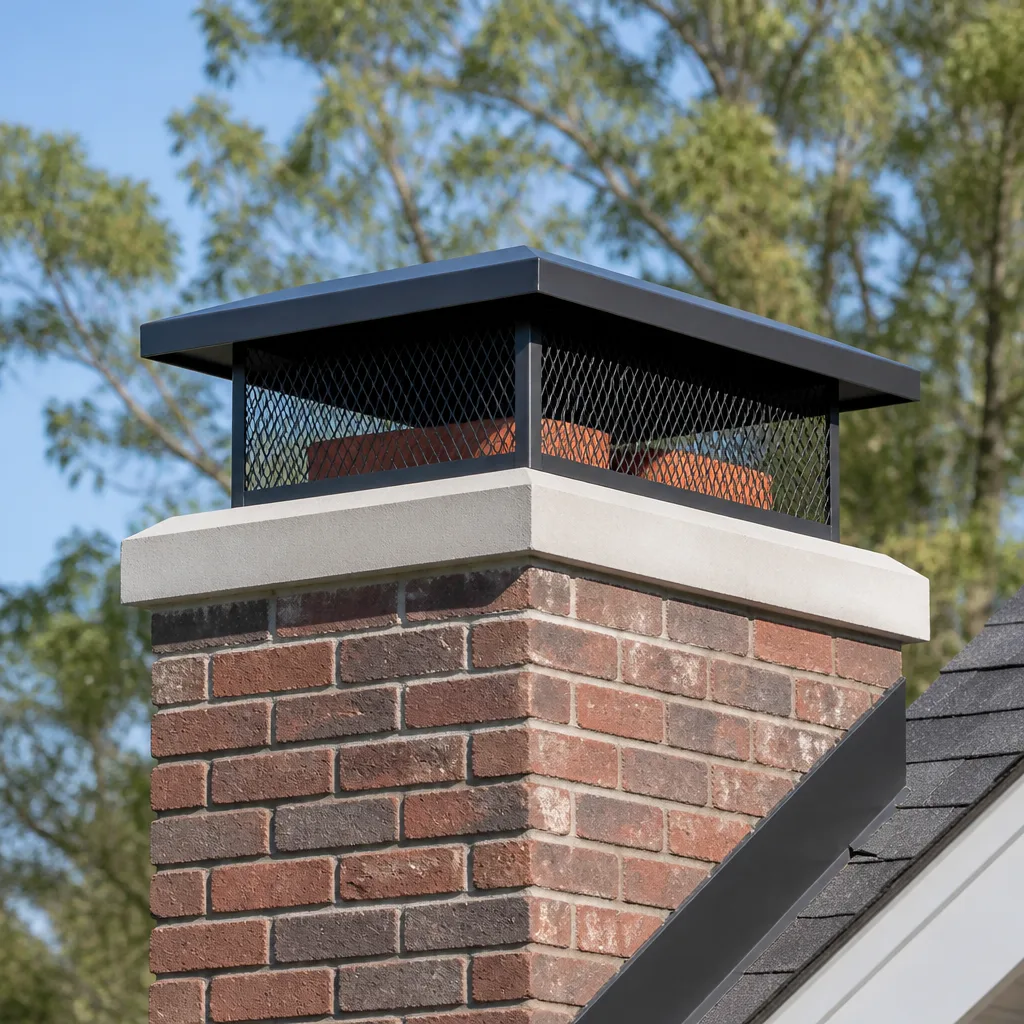 Caps & crowns
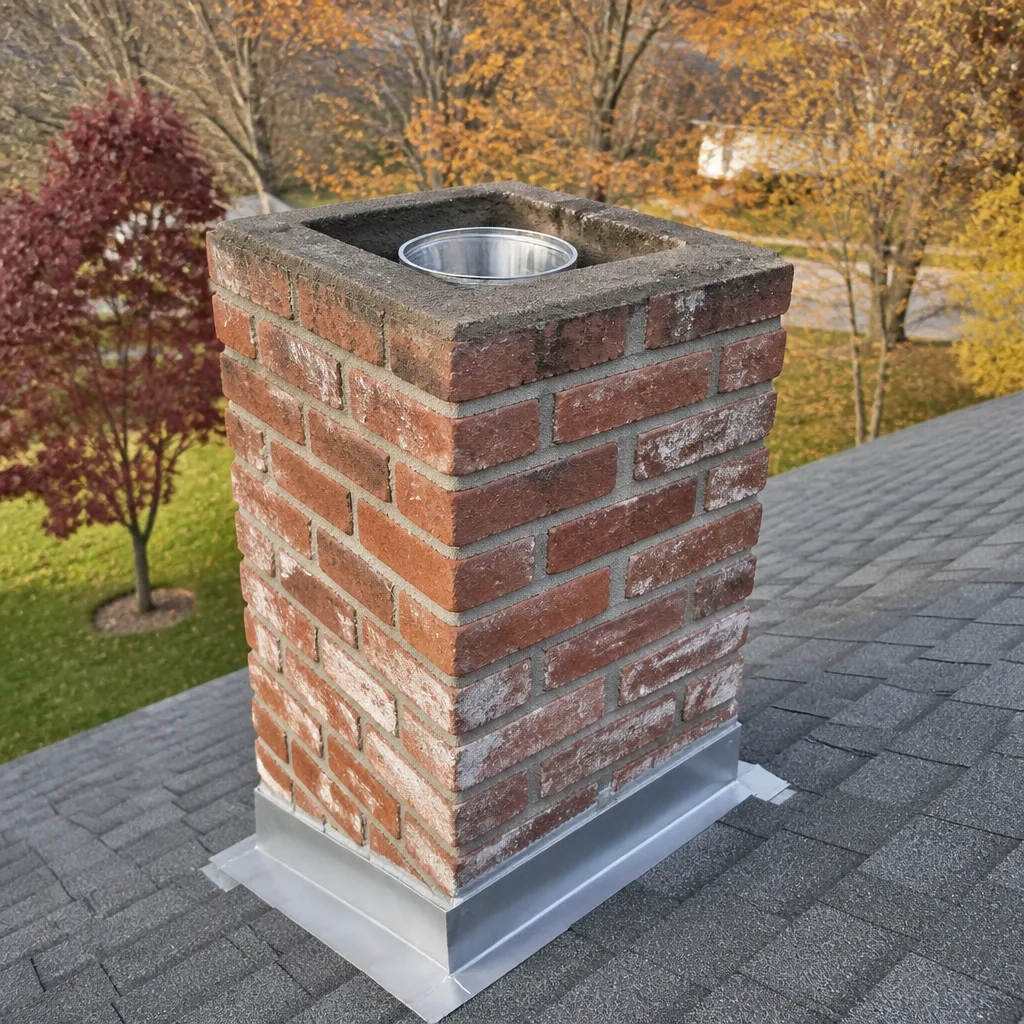 Flue relining
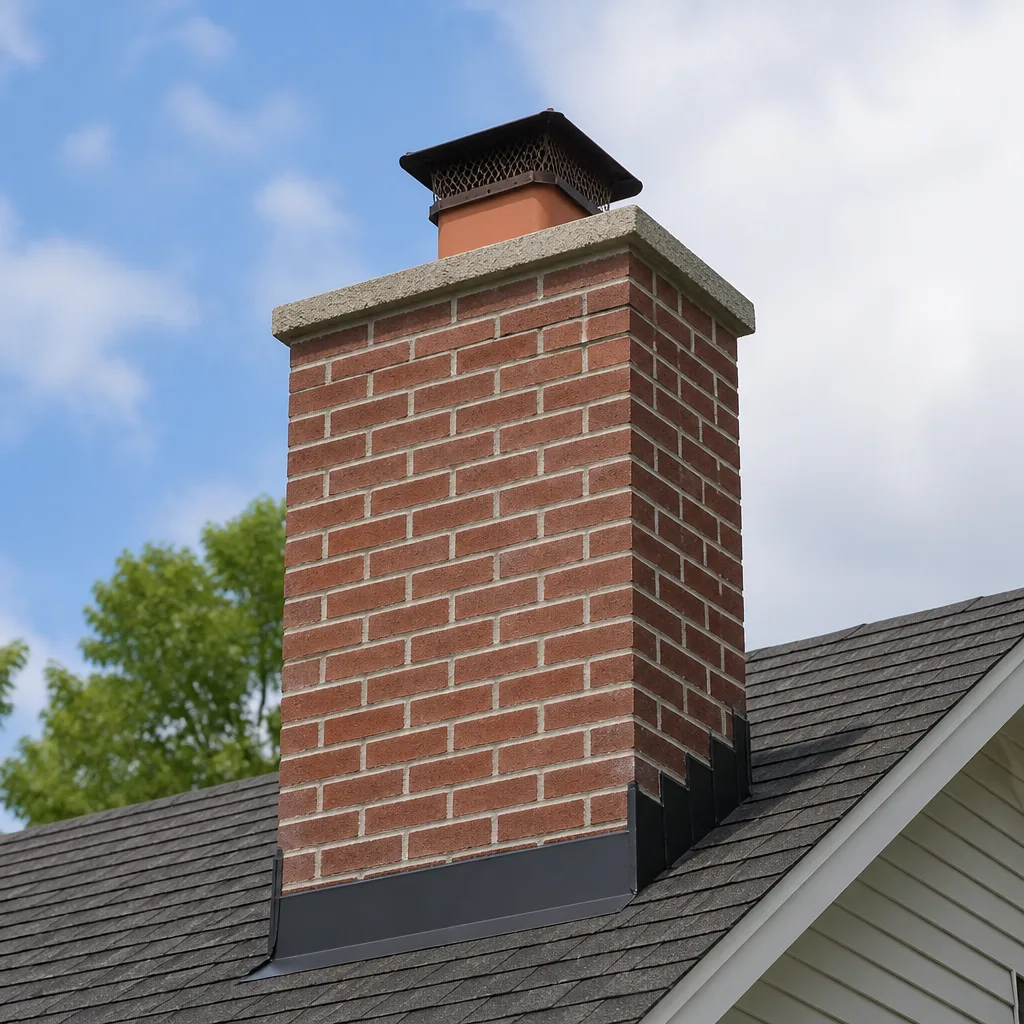 Masonry repair
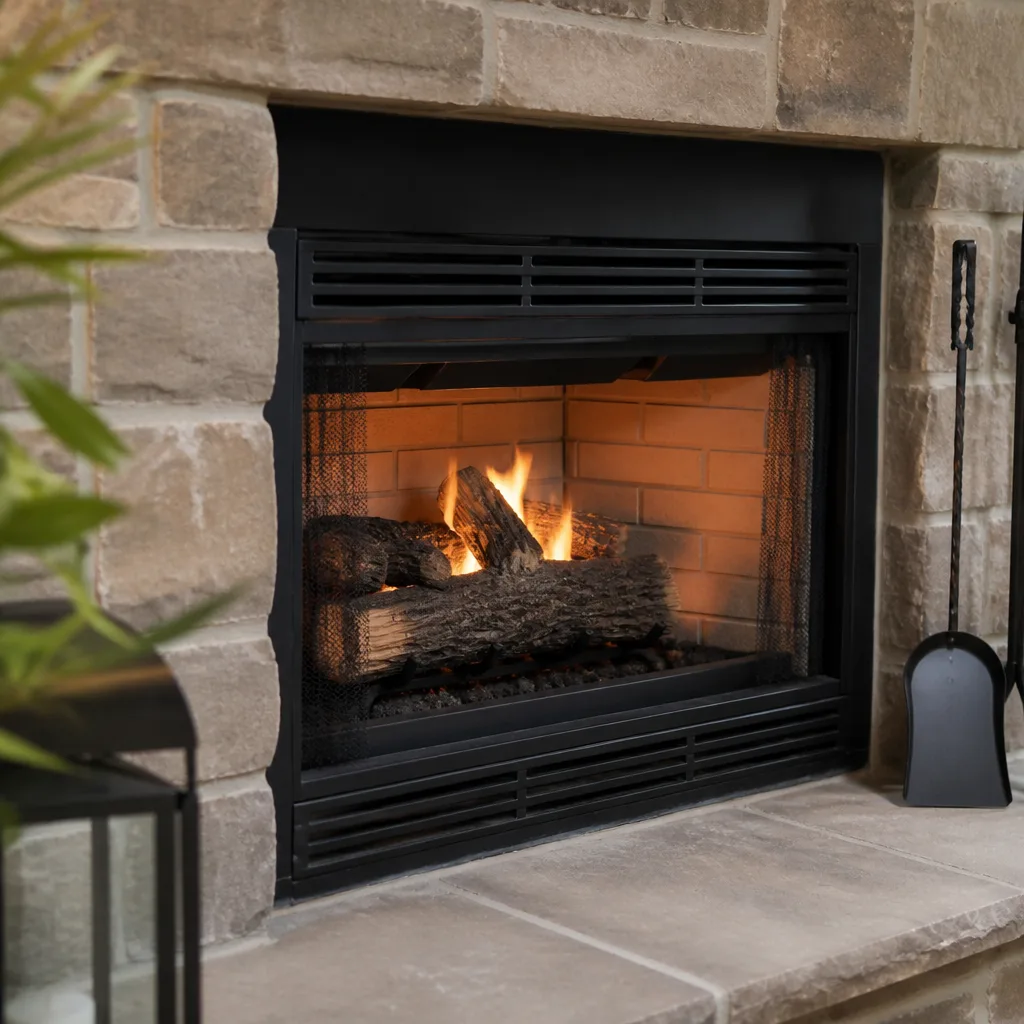 Gas fireplace service
Level 1 sweep and inspection to the NFPA 211 annual standard - flue, crown, cap, and flashing checked and photographed
Chimney sweep logs do not sweep chimneys. They loosen some creosote - which then falls where a brush and vacuum still have to collect it.
Chimney Cleaning Emergency Preparedness Guide for Thornton Homes
Most homeowners assume they’ll know a chimney fire when they hear one. In our experience, that assumption is where the trouble starts. A working chimney fire often sounds less like an alarm and more like a low roar, a rumble, or a distant freight train coming from inside the firebox. People describe standing in the living room trying to place the noise before it clicks. Those few minutes of hesitation are exactly the window in which a fire can move past the flue and into framing. This guide is built as a decision tree for Thornton homes: what to do in the first three minutes of an active fire, how to tell whether it actually went out, how to handle a carbon monoxide event with a gas insert, and what to do the morning after a Front Range hailstorm cracks a crown.
Quick Answer
If you suspect a chimney fire, get everyone out of the house and call 911 before you do anything else, then close the firebox door and the damper if you can do it safely on the way out. Never put water on a firebox fire. After any chimney fire, even one that seems to have gone out on its own, stop using the fireplace until a professional has inspected the flue, because a fire that self-extinguished can still have cracked the liner or warped the damper. For a carbon monoxide alarm with a gas insert, evacuate first and call 911, then have both the appliance and the venting inspected before relighting.
Styles & brands we work with
- Sweep & inspection
- Caps & crowns
- Flue relining
- Masonry repair
- Gas fireplace service
Table of Contents
- What to do in the first three minutes of a chimney fire
- Did the fire go out, or did it burn through?
- Carbon monoxide response for gas fireplace and insert owners
- After a Front Range hail or wind storm: cap and crown damage
- What to document in the first 24 hours for insurance
- Preventing the emergency before it starts
- The other vent emergency most homeowners forget
What to do in the first three minutes of a chimney fire
The first three minutes of a chimney fire are about people, not property. Everything else comes after the house is empty and 911 is on the line. A roaring sound, a shaking flue, or flames or sparks visible at the top of the chimney are all signs that the fire has moved beyond a normal burn. So is a sudden smell of hot creosote or a strong draft pulling into the firebox.
Here’s the sequence we walk homeowners through, in order:
- Get everyone outside. Leave doors and windows closed behind you as you go. An open house feeds the fire more air, and you want the fire starved, not encouraged.
- Call 911 from outside. Tell the dispatcher it’s a chimney fire, give your address, and stay on the line. Do not hang up to call anyone else first.
- If you’re still inside and can do it safely on the way out, close the glass firebox doors and close the damper. This cuts the air supply to the fire. Never stay inside to do this if flames or smoke are already pushing into the room.
- Do not put water on the firebox. A garden hose on a fire that may be several hundred degrees inside a masonry or metal flue is a fast way to crack the flue and send steam and superheated water back at you.
- Do not go onto the roof. A chimney fire can throw sparks, and a ladder in the middle of an emergency is a second emergency waiting to happen.
- Meet the fire department and tell them what you saw and heard. “Roaring,” “shaking,” “sparks at the top” and “how long it burned” all matter to them.
Thornton has a mix of older masonry chimneys and newer factory-built systems, and the fire department’s approach depends on which one you have. If you know whether your chimney is masonry or a metal factory-built unit, say so. It helps them decide whether to attack the fire from the roof or from the firebox.
Did the fire go out, or did it burn through?
A chimney fire that seemed to go out on its own is not the same as a chimney fire that was harmless. This is the single most dangerous assumption we see. Creosote fires can burn hot and fast, then drop out of sight while the damage to the liner is already done. Heat that warped a flue tile, opened a seam in a factory-built liner, or cracked a damper doesn’t announce itself once the roar stops.
Signs a fire may have moved past the flue:
- Smoke or heat coming through the wall around the chimney or through an attic or crawlspace.
- A strong smell of burnt wood or a hot, acrid smell that didn’t fade after the fire went out.
- Cracked or discolored flue tile visible through the firebox or the cleanout door.
- A warped or jammed damper.
- Water running down the flue after a fire, which can indicate a cracked flue tile.
Any of those means stop using the fireplace entirely and get an inspection before the next fire. Even without those signs, the safe answer after any chimney fire is to book a professional inspection. What we do on that visit is a camera inspection that lets the homeowner see the flue interior on the screen, so the report isn’t something you have to take on faith. That’s the difference between a scared homeowner and an informed one.
If the sweep turns up a damaged flue section, we handle the repair on the same visit rather than handing you off to a separate masonry contractor. A typical reline uses DuraFlex stainless liner systems, and a compromised but still serviceable flue interior gets HeatShield resurfacing. Both are repair-grade materials, not temporary patches. That’s a big part of why we stay in one trade: chimney sweep and repair live under the same roof, and a problem found during the sweep can be fixed before we leave.
Carbon monoxide response for gas fireplace and insert owners
Gas inserts and fireplaces are a different emergency from a wood fire, and the response sequence is different too. The most common mistake we see from gas insert owners is a false sense of safety because there’s no wood and no visible smoke. Carbon monoxide is invisible and odorless, and a venting problem, a blocked flue, or an appliance that’s burning wrong sends it straight into the room.
What to do if your CO alarm goes off:
- Get everyone out immediately, including pets. Don’t stop to open windows first. Get the doors open on the way out and keep moving.
- Call 911 from outside. Tell them a carbon monoxide alarm went off and whether you have a gas insert or fireplace.
- Don’t re-enter until the fire department says it’s clear. That includes going back in for a coat or phone.
- Don’t relight the gas insert or the wood fire until both the appliance and its venting have been inspected.
- Note who was home and for how long. CO exposure severity depends on duration as much as concentration, and the fire department will ask.
Know the symptoms before the alarm ever goes off: headache, dizziness, nausea, confusion, and a feeling of being “off” that improves when you leave the house and returns when you come back. Those symptoms in a house with a gas insert warrant the same call as a blaring alarm.
The inspection after a CO event is not just about the insert. It needs to cover the venting path, the cap, the flue, and any joint or seam that could leak. Our chimney sweep includes camera inspection, so what we find is shown to you rather than described to you. Gas insert venting has its own code path and its own failure modes, and a general HVAC call won’t cover the full picture.
After a Front Range hail or wind storm: cap and crown damage
Thornton’s spring and summer storms do their damage on the roof before they do it anywhere else. The chimney cap takes the brunt of it. A single hailstone or a wind gust can dent or lift a cap, and once the cap is off or tilted, the chimney is basically an open funnel to your living room. Water running down the flue corrodes dampers, saturates insulation, and in a wood-framed chimney chase creates a slow leak you won’t notice until the ceiling stain shows up.
What to do the morning after a storm:
- Look at the chimney from the ground, not the roof. Binoculars from the driveway are safer than a ladder. Look for a missing or cocked cap, cracks in the crown mortar, or a piece of the crown sitting in the yard.
- Check the firebox and the cleanout for water. Anything wet inside the firebox after a storm means the cap or crown is compromised.
- Look for a wet ceiling or wall stain near the chimney chase. That’s the first sign of interior water intrusion, and it comes from above.
- Don’t burn until the cap is back on. A missing cap is an open flue to rain, birds, and squirrels, and a fire in a wet or animal-blocked flue is worse than no fire at all.
- Take photos from the ground before you call anyone (see the next section on documentation).
Temporary mitigation until the repair visit is straightforward: keep the firebox doors closed, put a bucket under any drip in the firebox, and leave the flue closed. Don’t try to put a tarp on the chimney yourself. A wet, steep roof is a bad place to be, and a temporary cap made of plastic or a bucket is its own fire hazard. A damaged crown gets rebuilt with proper mortar mix, and a damaged cap gets replaced. We source caps and components from manufacturers like Olympia Chimney and Gelco so the replacement matches the original system rather than approximating it.
What to document in the first 24 hours for insurance
After any chimney emergency, the inspection report is the central document in your insurance claim. Most policies cover a sudden chimney fire or a storm-damaged cap, but they deny claims that look like long-term neglect. The difference between the two is documentation, and the window to gather it is the first day, before repairs start and before anyone touches the chimney.
Gather these in the first 24 hours:
- Fire department report or incident number. If the FD responded, ask for the report number. It’s your proof the event was sudden and accidental.
- Photos from before anything was moved. The firebox, the top of the chimney from the ground, any interior water stain, and the general room around the fireplace.
- The professional inspection report with photos or video of the flue interior. This is the document the adjuster will read. A report that says “needs repair” without images is a report the adjuster may discount.
- Receipts or records of prior maintenance. A record of regular sweeps is how you demonstrate the chimney was maintained, which matters when the claim is questioned.
- Your written estimate from the repair visit, itemized by material and labor so the adjuster can match it to the policy language.
Be specific when you call us. Tell us it’s an insurance claim and that you need the inspection documented for the adjuster. The camera inspection and photo report are part of the sweep, not an add-on, and the report is written so the adjuster can read it directly. We can work with your insurer, but the documentation is what gets the claim paid, and that’s why we push to get it captured before repairs start.
Preventing the emergency before it starts
Every chimney fire we’re called out on had a preventable cause, and in almost every case the homeowner didn’t know the flue was loaded with creosote. Creosote builds up from burning wood that’s not fully seasoned, from burning with a cool, smoldering fire that doesn’t get hot enough to keep the flue clean, and from skipping the annual sweep. It’s a tar-like deposit that’s combustible at the temperatures a normal fire produces, and it’s the fuel for the fire you’re trying to avoid.
The prevention checklist for a Thornton wood-burning home:
- Annual sweep before the burn season. In our experience here, the shoulder months before cold weather sets in are when the flue is easiest to access and the appointment calendar is least crowded. Book the sweep that time of year.
- Burn dry wood. Seasoned wood with low moisture content burns hot and leaves less creosote than green wood.
- Keep a clean cap and a clear screen. A blocked cap creates a draft problem, and a draft problem sends smoke and gases back into the room.
- Check the crown and the cap after every significant storm. Ten minutes from the driveway with binoculars prevents most of the water damage we see.
- Don’t skip the sweep because you “don’t burn much.” A few fires a year still deposit creosote, and a small amount of creosote in the wrong place is enough.
On the sweep visit, we show you what we find on the camera, and we say plainly when something can wait until next season versus when it should be handled now. That’s the whole point of a camera inspection: nothing is recommended without evidence you can see for yourself. When a repair is needed, it’s a per-job estimate in writing, and the written estimate sets the final price.
The other vent emergency most homeowners forget
While we’re talking about vent emergencies, there’s one that most chimney-only companies never mention, and it’s the one attached to the machine in your laundry room. A clogged dryer vent is a leading cause of residential fires, and a full vent traps heat and lint until the conditions for ignition are all present. We treat dryer vent cleaning as its own service, not something tacked onto the end of a sweep, because the risk doesn’t care whether your chimney is clean.
The warning signs that your dryer vent is overdue:
- Clothes take longer than expected to dry, sometimes two cycles.
- The dryer or the outside vent hood gets hot to the touch.
- Lint collects around the dryer door or behind the machine.
- The exterior vent flapper doesn’t open fully when the dryer runs.
- A musty or burning smell in the laundry room during a cycle.
If you see those signs, stop running the dryer until the vent is cleared. A professional cleaning clears the full run from the dryer to the exterior termination, not just the flex hose behind the machine. That’s the difference between a surface wipe-down and a real safety service, and it’s why we offer it in its own right. One call to Chimney Sweep Thornton covers the chimney and the dryer vent, so the two venting systems in your home are handled by the same specialist.
Common Mistakes to Avoid
- Hosing down the firebox. Water on a hot flue can crack the flue tile and send steam back at you. It’s one of the most common first instincts and one of the most damaging.
- Reaching for the roof. Getting on a wet or icy Thornton roof to see the chimney from the top is the most dangerous single move in a chimney emergency. Look from the ground.
- Assuming a self-extinguished fire is safe. A fire that went out on its own can still have warped the liner or cracked a tile. Inspect before the next fire, every time.
- Relighting a gas insert after a CO alarm without an inspection. If the alarm went off, the venting path has a problem. Relighting before it’s inspected repeats the event.
- Skipping the camera inspection. Getting a sweep without seeing the flue interior is getting half the service. Ask for the camera.
- Waiting on a storm-damaged cap. A cocked cap lets water run straight down the flue. Get it looked at before the next rain, not after.
- Neglecting the dryer vent while focusing on the chimney. They’re both venting systems, they both cause house fires, and one of them gets almost no attention.
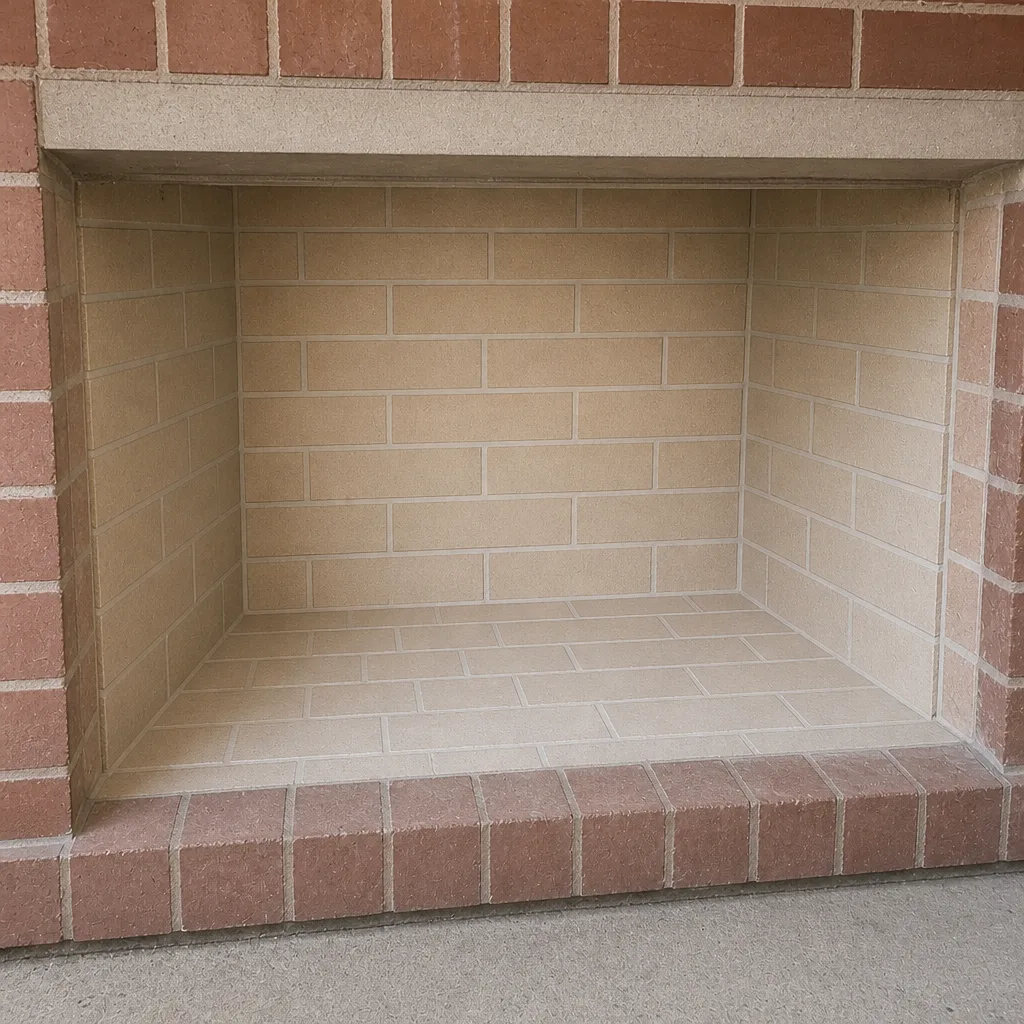
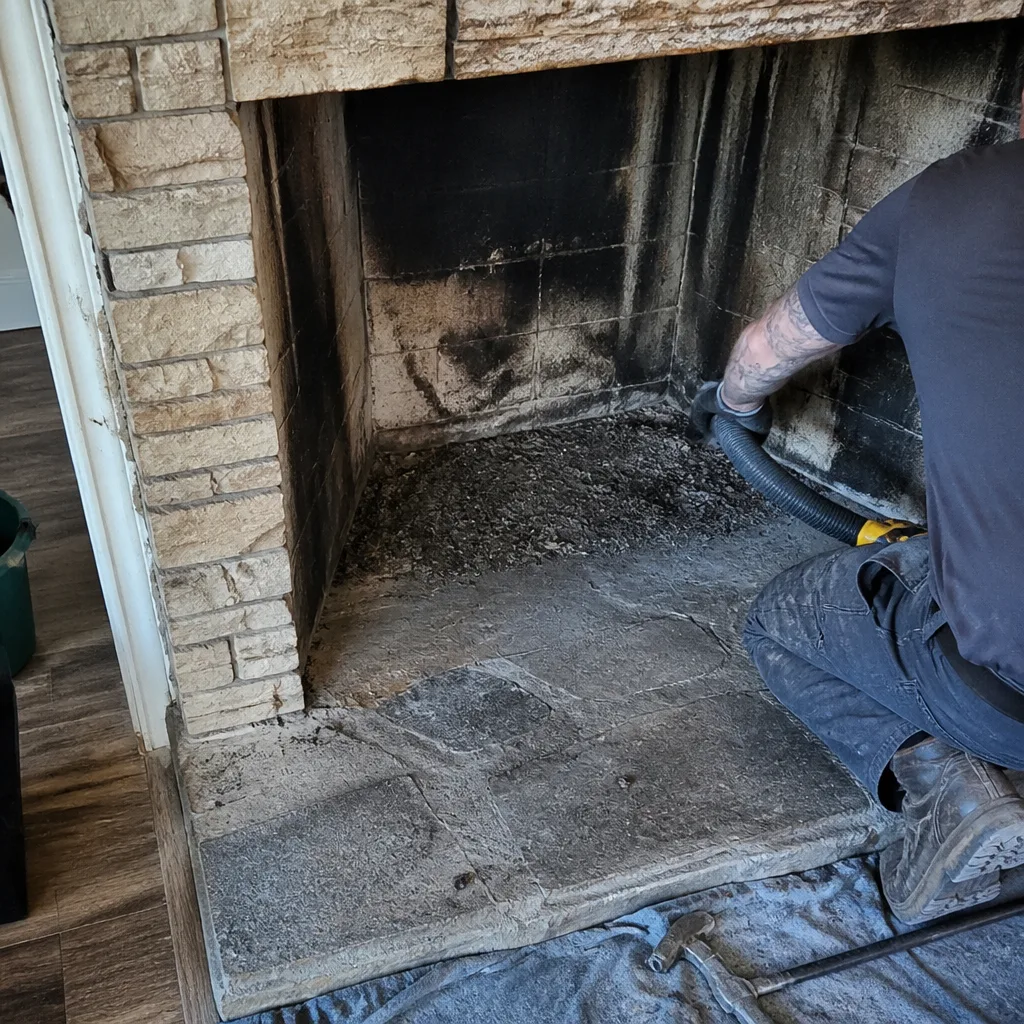
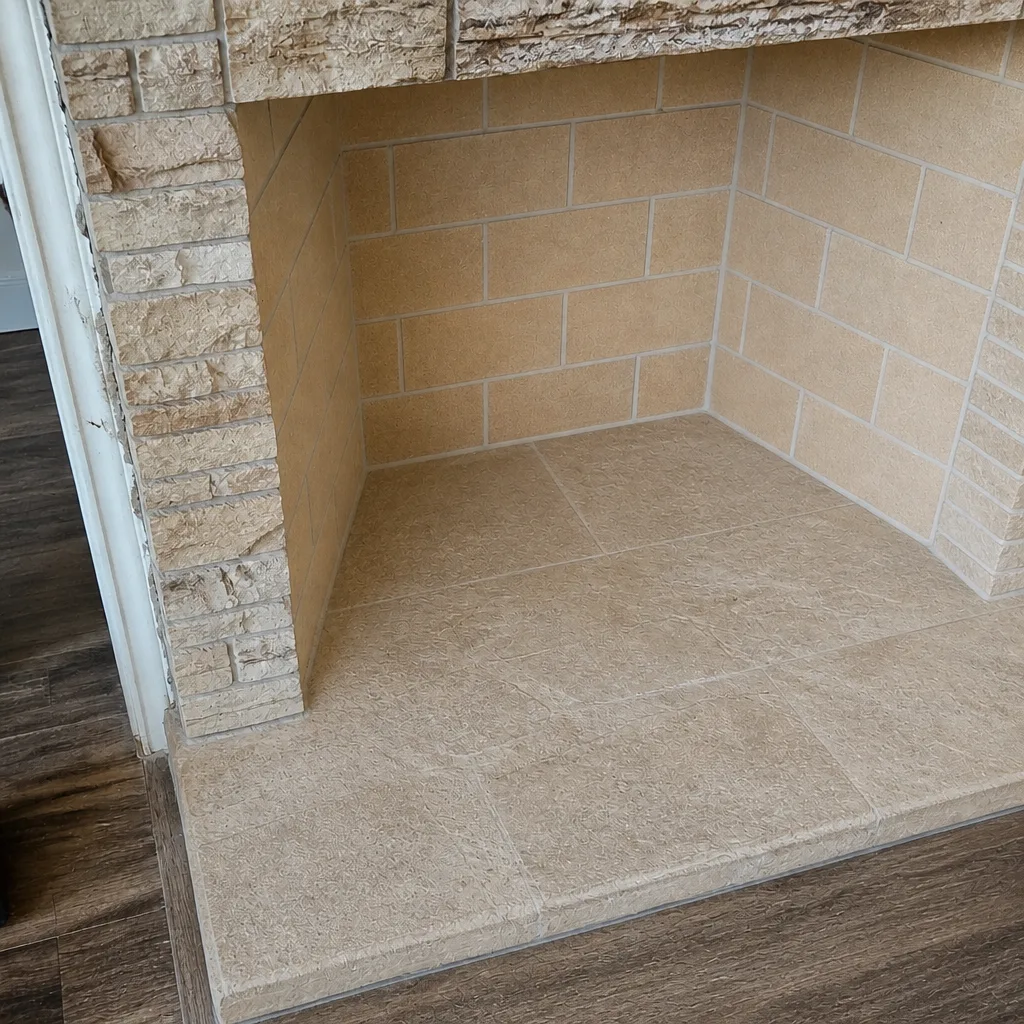
See the difference
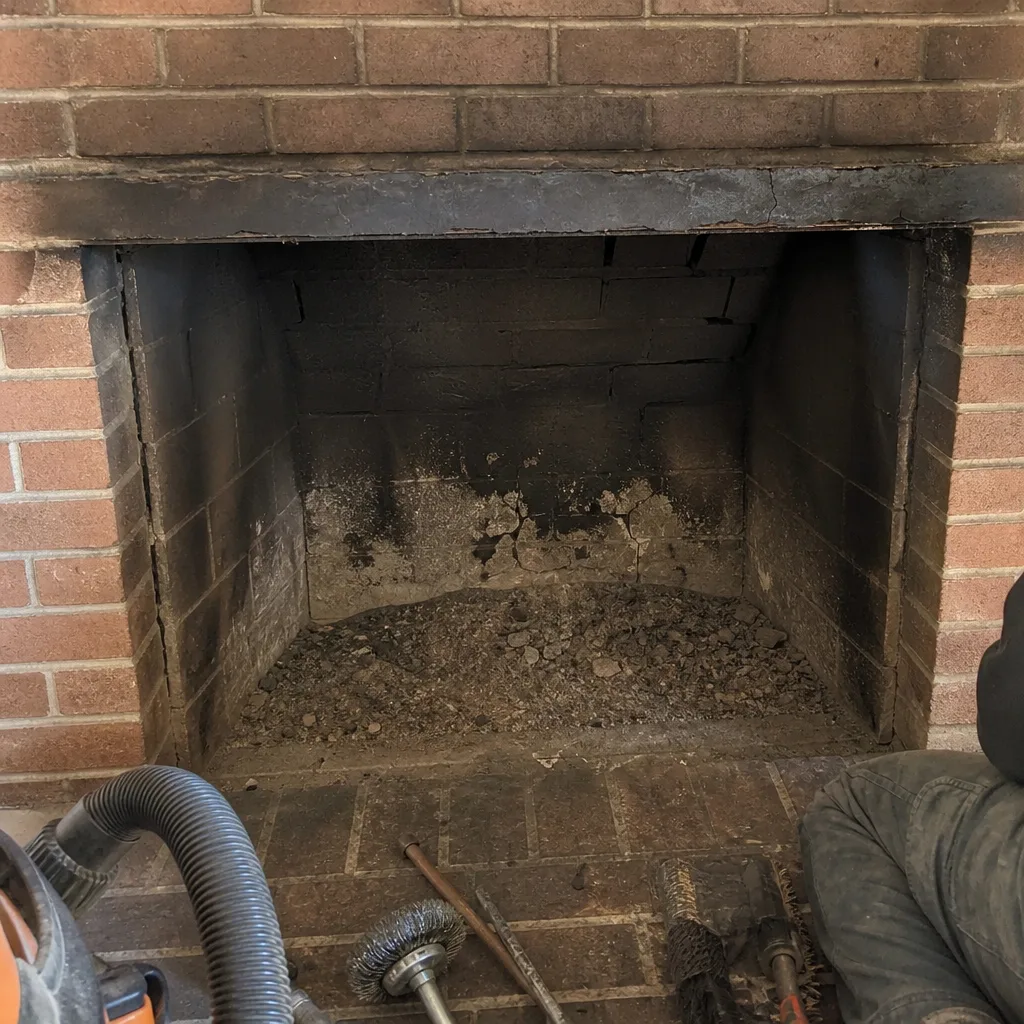 Before
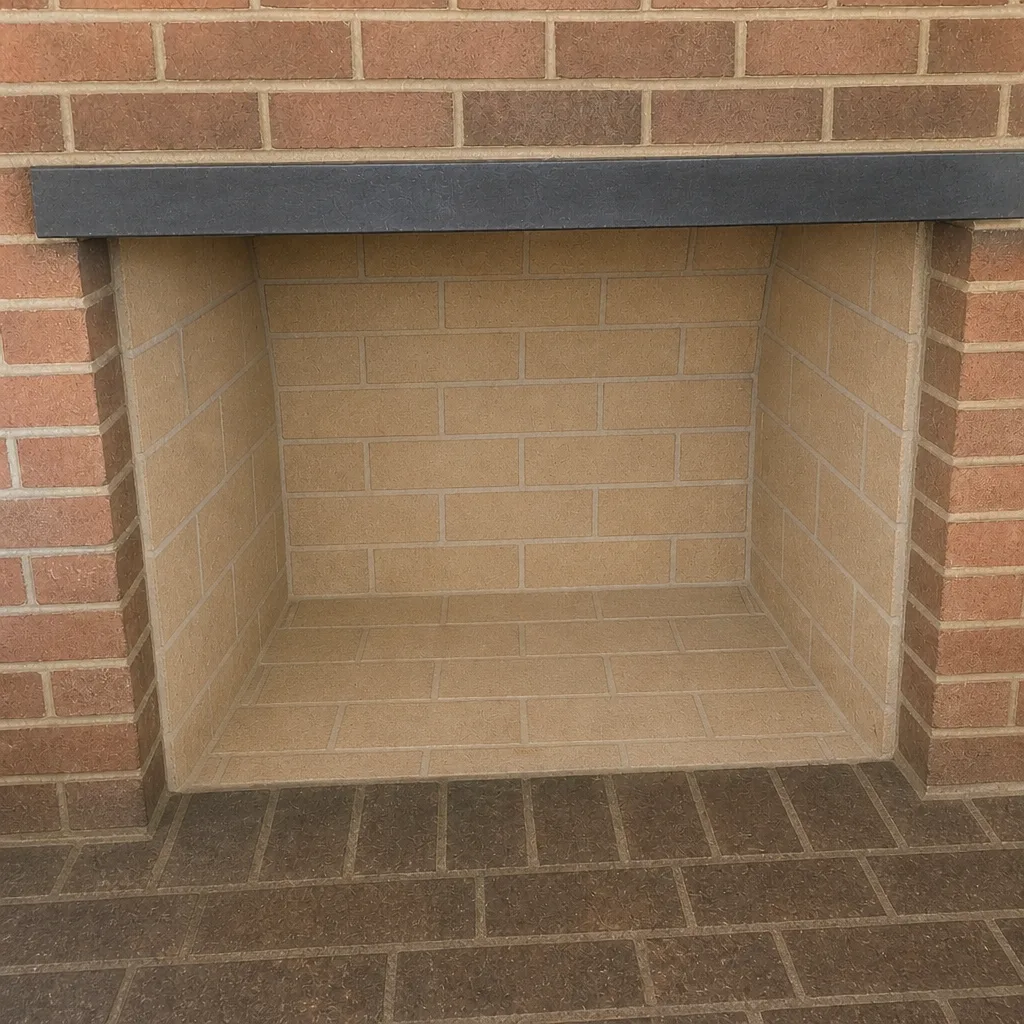 After
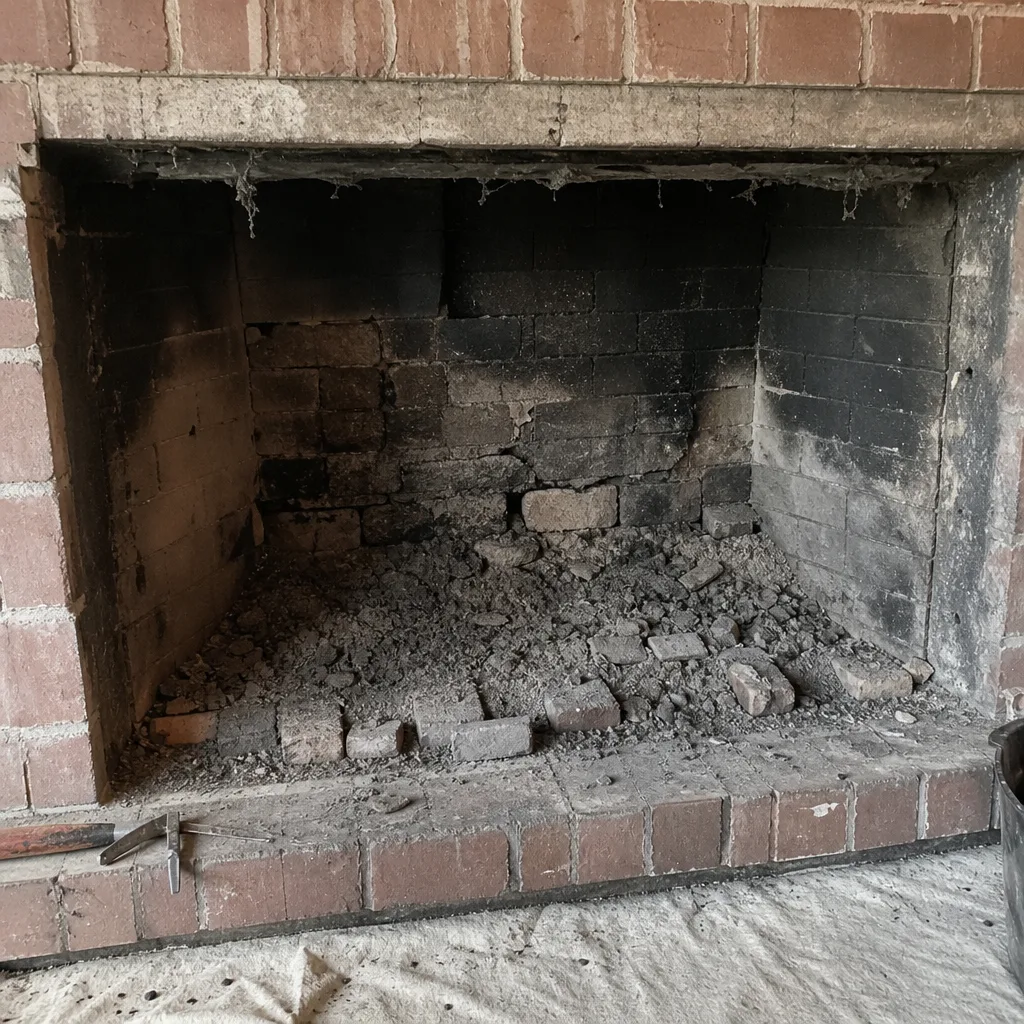 Before
 After
 Before
 After
When to Call a Professional
Call a professional after any chimney fire, without exception, even one that seemed to go out on its own. Call after a CO alarm, after a storm that damaged the cap or crown, and before the start of every burn season. Call if you smell smoke in the room when there’s no fire, if the firebox is wet after rain, or if the dryer is taking two cycles to dry a load. Those last two are early warning signs, not problems to live with. Chimney Sweep Thornton offers free estimates in Thornton. Call (866) 361-5660. We answer 24/7. Fast dispatch from 7am to 7pm, Sunday through Friday. A call outside dispatch hours is booked into the next opening, Sunday through Friday, 7am to 7pm.
Frequently Asked Questions
Get everyone out of the house and call 911 from outside before doing anything else. Once you’re safe, close the glass firebox doors and the damper if you can do it on the way out, and never put water on the firebox. Call (866) 361-5660 for a post-fire inspection, free estimates are available.
You can’t, reliably, and that’s the problem. A fire that stopped roaring can still have cracked the liner or warped the damper, and the damage won’t show itself until the next fire. The only safe answer is a professional camera inspection before you burn again. Call (866) 361-5660 to book one.
No. Evacuate, call 911, and don’t relight until both the appliance and its venting have been inspected. Ventilating the room clears the gas but doesn’t fix the venting problem that caused it. Call (866) 361-5660 for the inspection, free estimates are available.
As soon as you notice a damaged or missing cap, a cracked crown, or water inside the firebox, ideally before the next rain. Water intrusion compounds quickly in a brick or framed chimney chase. Call (866) 361-5660 and we’ll get it on the schedule. We answer 24/7. Fast dispatch from 7am to 7pm, Sunday through Friday.
Yes, once a year is the baseline for any wood-burning chimney, and it’s the single best protection against the fire this whole guide is about. A sweep visit includes the camera inspection, so you see the flue before the season starts. Call (866) 361-5660 to book yours.
In most cases, yes, because it’s the document that distinguishes a sudden event from long-term neglect. Get the fire department report, photos before anything is touched, and the professional inspection report with images of the flue. We can work with your insurer and document the findings so the adjuster can read them directly. Call (866) 361-5660 for the inspection, free estimates are available.
The Bottom Line
Chimney emergencies in Thornton follow patterns, and the homeowners who get through them with the least damage are the ones who already know the sequence. Get people out, call 911, and don’t put water on the fire. Treat a fire that went out on its own as a fire that still needs an inspection. Evacuate on a CO alarm and don’t relight until the venting is checked. After a Front Range storm, look at the chimney from the ground and get a damaged cap or crown dealt with before the next rain. And document everything in the first day, because the inspection report is what your claim will rest on. One specialist, full scope: cleaning and repair on the same visit, and the camera inspection that shows you what we find.
Call (866) 361-5660 for a free estimate. We answer 24/7. Fast dispatch from 7am to 7pm, Sunday through Friday, and we serve homeowners across Thornton.
Written by the team at Chimney Sweep Thornton.