
Last updated November 15, 2026
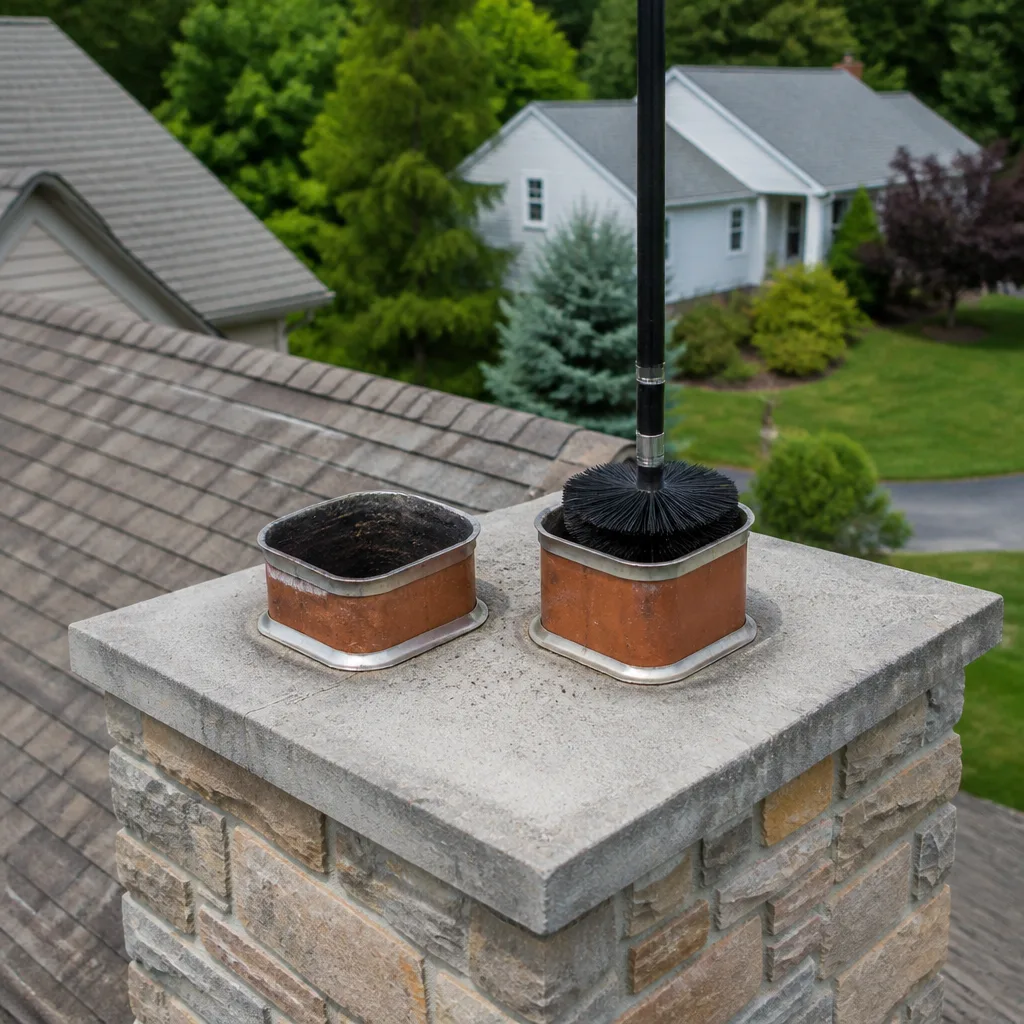 Sweep & inspection
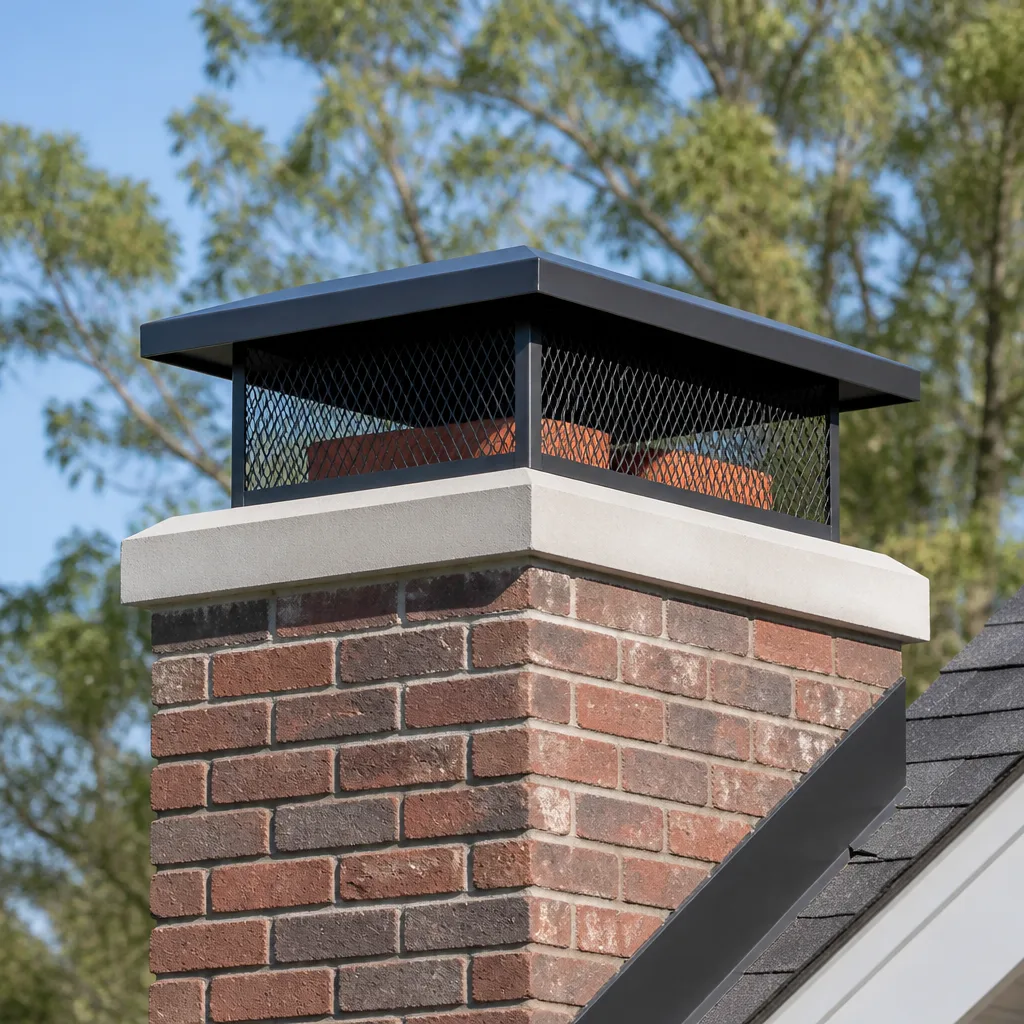 Caps & crowns
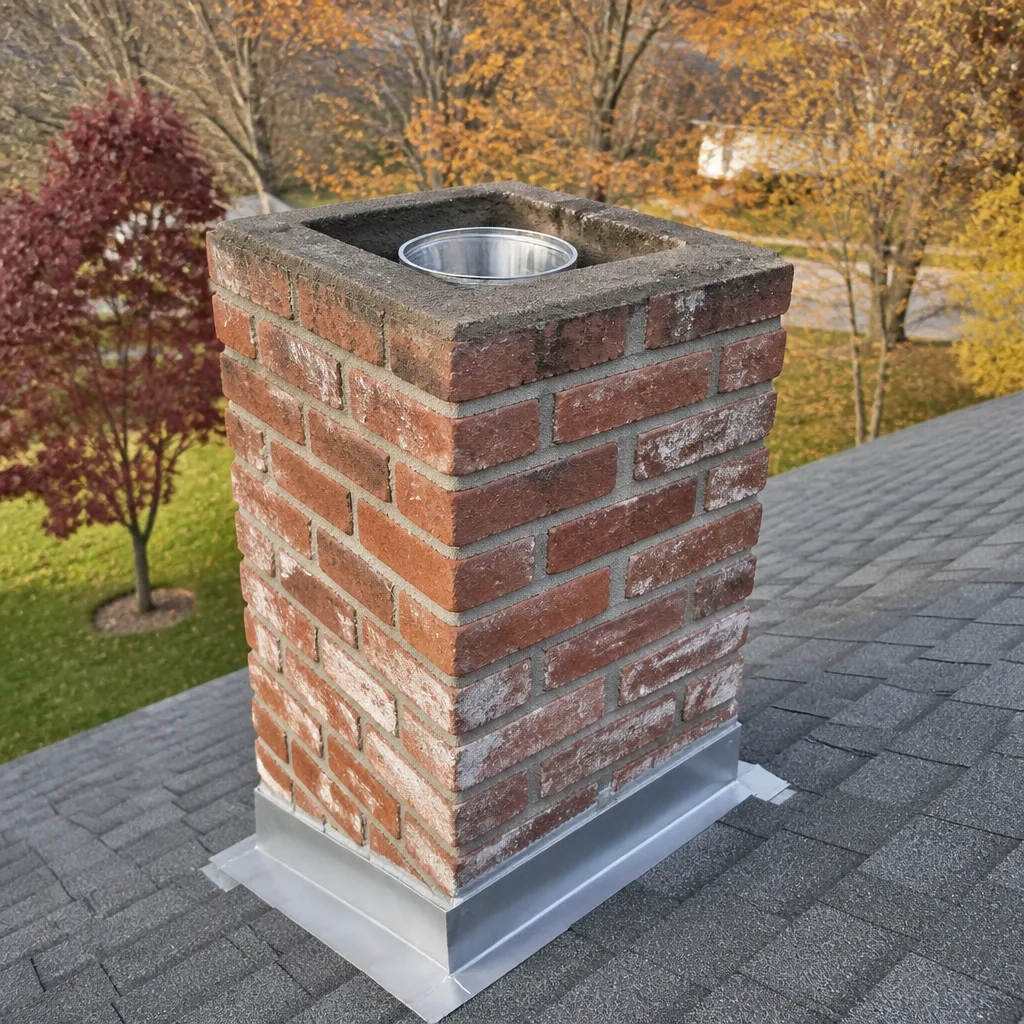 Flue relining
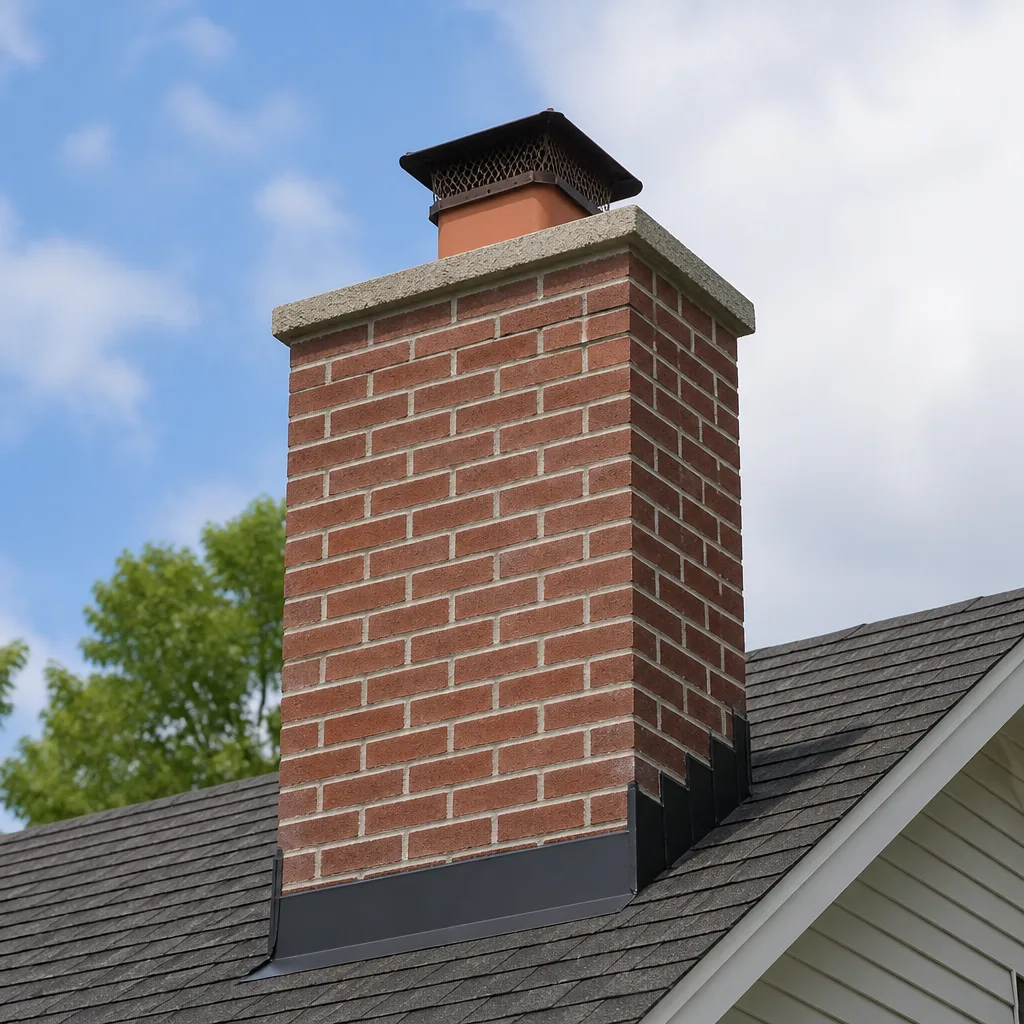 Masonry repair
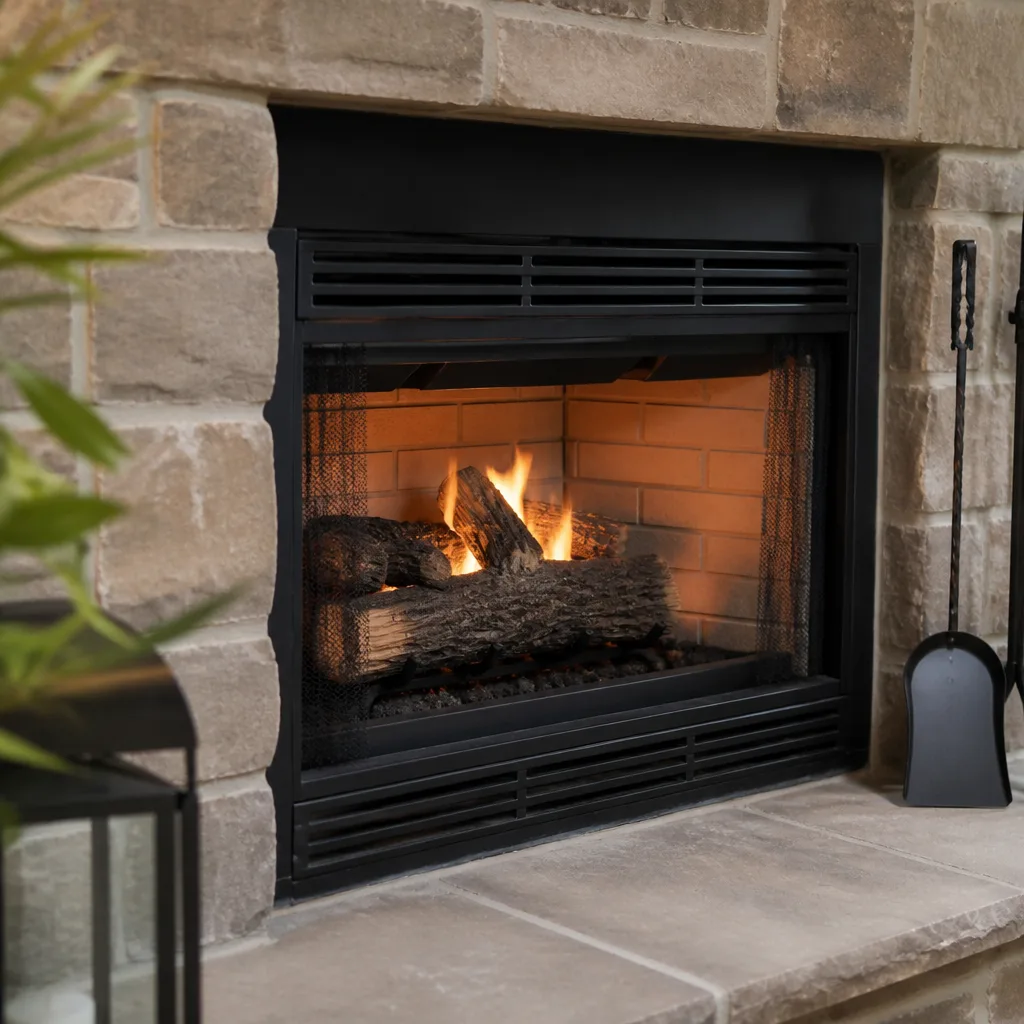 Gas fireplace service
Level 1 sweep and inspection to the NFPA 211 annual standard - flue, crown, cap, and flashing checked and photographed
Chimney sweep logs do not sweep chimneys. They loosen some creosote - which then falls where a brush and vacuum still have to collect it.
Seasonal Chimney Cleaning Care for Thornton: Year-Round Homeowner’s Guide
Most Thornton homeowners think about their chimney exactly once a year – usually in October, when the first cold snap hits and they want a fire that night. That single visit becomes the whole plan. Meanwhile, the chimney spent spring soaking and thawing through freeze cycles, summer baking in high-altitude sun and collecting nesting material, and fall quietly building a fresh layer of creosote before the first burn. By the time winter arrives, three seasons of small damage have already stacked up behind that one cleaning. This guide breaks chimney care into four distinct seasons, each with its own tasks and checks tied to what’s actually happening to your chimney in Thornton. You’ll finish with a 12-month calendar you can follow instead of a national-average checklist that doesn’t fit this climate.
Quick Answer
Chimney care in Thornton works best as four seasonal phases, not one annual sweep. Spring is for inspecting freeze-thaw damage to the crown and mortar. Summer is when caps, waterproofing, and pest intrusion get handled, because sealant needs warm, dry conditions to cure. Fall is the pre-season sweep, timed before your first fire. Winter is when draft and carbon monoxide get your attention, especially in tight homes with gas inserts.
Styles & brands we work with
- Sweep & inspection
- Caps & crowns
- Flue relining
- Masonry repair
- Gas fireplace service
Table of Contents
- Why Spring Is the Season for Freeze-Thaw Inspection
- Summer: The Season Most Thornton Homeowners Skip
- Fall: Timing Your Pre-Season Sweep Right
- Winter: Draft, Carbon Monoxide, and Tight Homes
- Building Your 12-Month Chimney Calendar
- Wood, Gas, or Pellet: Seasonal Care Changes by Fuel
- Common Mistakes to Avoid
- Frequently Asked Questions
Why Spring Is the Season for Freeze-Thaw Inspection
March and April are when a chimney tells you what winter actually did to it. Thornton sits in a high-elevation zone where nights routinely drop back below freezing even after daytime temperatures climb into the fifties and sixties. The chimney is still wet from snowmelt and rain off the roof. That moisture sits in hairline cracks in the mortar joints and the crown, freezes overnight, expands, and widens the same crack a fraction more. Repeat that for six or eight weeks and a hairline becomes a gap you can push a screwdriver into.
The result shows up as loose mortar in the joint lines, crumbling material at the base of the brick where it meets the flashing, and a crown that has developed visible fissures or separated from the flue by a sliver. All of it is much cheaper to repair in April than it is to rebuild after another winter. And it all affects how the flue performs when you light the first fire in October, because gaps in mortar and a cracked crown leak air into places the smoke doesn’t want to go.
Our technicians have up to 10 years of experience, and the spring evaluation is one of the most useful visits we make. Here’s the sequence that matters after the thaw:
- Walk the roof line and look at the crown – the flat top around the flue – for cracks, spalling, and separation from the flue tile.
- Check the mortar joints at eye level on the exterior from the ground with binoculars before anyone gets on the roof.
- Look at the flashing where the chimney meets the roof for rust streaks, gaps, or lifted edges.
- Check the damper and firebox interior for moisture staining or rusted metal.
- Book a chimney sweep visit if it’s been more than a year since the last one, or if you’ve noticed draft issues during the season.
We use HeatShield for chimney resurfacing when the flue interior is compromised, and that kind of repair is far easier to schedule in the spring than during a fall rush.
Summer: The Season Most Thornton Homeowners Skip
The common pattern we run into is a homeowner who doesn’t think about the chimney between May and September. That’s the wrong instinct. Summer is the season when the chimney is most exposed to the two forces that do the most structural damage: water intrusion from afternoon monsoon-pattern thunderstorms, and animal activity in the flue.
Two things make summer distinct here. First, the sun. High-elevation UV is intense, and it softens and cracks the sealant on the chimney cap, the flashing, and any masonry sealant the chimney relies on. Second, the storms. Thornton’s monsoon season runs roughly July through early September, and those storms deliver a lot of water in a short window. Water that gets past a compromised cap or failing sealant soaks into the masonry, primes it for freeze damage in the fall and winter, and if the cap is bad enough, drips into the firebox or down the flue.
The other thing people miss: swallows, chimney swifts, and squirrels use the flue as a nest site. The cap is what stops them, and a failed cap is what lets them in. Once a nest is in the flue, you don’t just have a blockage – you have a material that will combust.
July is the right window for cap inspection and waterproofing because it’s warm and dry enough for sealant to cure properly. By October, the nights are cool and the rain is unpredictable, and sealant applied then may not set right before the first freeze. What to do in summer:
- Inspect the cap for rust, screen damage, and loose mounting, and repair or replace it before July storms build.
- Apply a breathable masonry water repellent to the upper chimney exterior in a dry stretch so it cures before the first cold snap.
- Check the flue for nesting debris and blockages; if you hear birds or scratching, don’t wait.
- Look at the dryer vent exterior hood and check for lint around the flue; summer dryer use matters too, and dryer vent cleaning belongs in the same annual plan.
Fall: Timing Your Pre-Season Sweep Right
Fall is when you want a clean flue and a professional inspection, not the day before hosting Thanksgiving. Most Thornton wood-burning households light their first fire somewhere between mid-October and early November, depending on the year. That means the sweep needs to happen in September or the first half of October to leave time for any repair that turns up.
What’s changed in the flue since last season is creosote – the deposit left on the interior surface by smoke and unburned wood gases. It builds in three stages: a light, dusty, flaky layer that brushes away easily; a denser glazed layer that’s harder to remove; and a thick hardened stage that requires more than a standard sweep. If you burned wet wood or short, smoldering fires the previous winter, the creosote from that season is stronger and builds faster. Fall is when it all gets cleared so it doesn’t sit through another year.
The pre-season sweep is your chance to catch three things:
- Creosote load. A standard sweep clears the firebox, flue, damper, and smoke chamber. Anything beyond standard cleaning gets flagged.
- Aging damage. The summer heat has had months to open that crown crack a little more. A sweep is the second visit of the year that catches it.
- Draft performance. A clean flue draws better. If your chimney struggled to draft last winter, the fall sweeping tells you whether it’s a cleaning problem or a structural one.
If a damaged flue liner or compromised interior turns up during the sweep, we handle it without a second contractor. We install DuraFlex liner systems specified for your flue, and we carry Olympia Chimney components for situations that call for them. That’s the advantage of a shop that does both sweeping and repair: the fix happens before we leave. When your sweep is done in fall, you go into the burn season with a clean, inspected flue and a written record of what was found and what wasn’t.
Winter: Draft, Carbon Monoxide, and Tight Homes
Winter is when the flue actually does its job, and when the consequences of a failing one matter most. In a newer Thornton home, the envelope is tight – modern construction and weatherization reduce the air exchange that a wood-burning or gas insert fireplace relies on to establish and maintain a proper draft. That tightness combined with sustained cold spells is where draft problems show up.
Winter draft issues show up three ways. First, smoke rollover – smoke that lingers in the firebox or drifts out into the room instead of going up. That’s usually a pressure problem or a flue blockage. Second, weak draft even when the fire is burning well. That can be a blocked or partially blocked cap, a cold flue that hasn’t warmed up, or something structural. Third, spillage from a gas insert or a gas fireplace – this is the one that matters for safety, because a gas insert that can’t vent properly puts carbon monoxide back into the room.
Carbon monoxide is odorless and colorless, and the signs of a ventilation problem are easy to write off as a headache. The safety steps for winter heating:
- Every home that burns wood or runs a gas fireplace or insert should have working carbon monoxide alarms on each living level and near sleeping areas.
- Never override a CO alarm. Open a window, put the appliance out, and leave the house.
- Have the flue and chimney inspected once a year, even if the last sweep was clean. Winter is when blocked caps and failing venting show up.
- Never burn anything but dry, seasoned wood; the trash, wrappers, or paper that people feed into a winter fire produces creosote faster than the fire does good.
If smoke is coming into the room, or you have a gas insert and any CO symptom, stop using the appliance and call. We answer 24/7. A call outside dispatch hours is booked into the next opening, Sunday through Friday, 7am to 7pm.
Building Your 12-Month Chimney Calendar
A calendar tied to Thornton conditions beats a national-average reminder in your phone. Here’s what a practical year looks like, month by month, and how our technicians recommend sequencing it.
Recommended Seasonal Chimney Calendar
- March to April: Freeze-thaw inspection. Look at the crown, mortar joints, and flashing for damage winter left behind. Book the sweep or repair evaluation for anything visible.
- May: Cleanup of winter debris from screens and caps. Check the damper operation before summer.
- June: Early-summer cap and flashing inspection. Repair anything loose before the monsoon season builds.
- July: Waterproofing application. Warm, dry conditions give sealant time to cure. Pest inspection for nests in the flue.
- August: Dryer vent cleaning, if you haven’t had one this year. Summer dryer use peaks with family travel and laundry volume.
- September: Pre-season sweep. Get the flue cleaned and inspected before the first fire.
- October: Any repairs flagged at the September sweep get done now. First fires usually start this month.
- November through February: Monitored burn season. Watch for smoke rollover, weak draft, or CO alarms. Report any change in draft to us sooner rather than later.
The point of a calendar like this isn’t to make you service your own chimney. It’s so you know when to pick up the phone. Every repair we flag is something we’ve identified with evidence – you see the photo or the camera inspection output, and you decide. Our approach is that nothing gets recommended without evidence you can look at yourself, and the work that can safely wait until a better season gets said so. If you want a starting point for the visit schedule, Thornton homeowners can call and we’ll walk through which phase you’re in.
Wood, Gas, or Pellet: Seasonal Care Changes by Fuel
Seasonal care isn’t identical across fuel types, and one of the most common planning mistakes is applying wood-burning timing to a gas insert. The seasons stay the same. What changes is what each visit actually focuses on.
Wood-burning fireplaces and stoves
Creosote is the main driver. Creosote builds during the burn season, so the fall sweep is the priority. A wood chimney that’s burned heavily for one full season should get a professional look every year. If you’ve burned a lot of wet, unseasoned wood, the creosote load is worse and the sweep matters more.
Gas inserts and gas fireplaces
A gas insert doesn’t produce creosote, but it does vent combustion gases and moisture. The venting system and the cap still need annual attention. A gas unit that vents incorrectly is a carbon monoxide risk, and it can also corrode. Its annual inspection is not a sweeping job in the same way, but the seasonal timing (fall) is the same. Draft and pressure still matter in summer, especially if the insert is venting through a chimney that draws poorly.
Pellet stoves
Pellet stoves produce ash rather than creosote-heavy smoke, but they also produce fine ash that accumulates and blocks venting. That means a fall cleaning and inspection before each burn season, plus more frequent attention if the stove runs hard. The same annual rhythm applies.
If you’re on the fence about whether your appliance needs a seasonal visit or just a sweep, we use Gelco and other industry-standard materials where repair work is needed, and we’ll tell you plainly what the camera inspection shows.
Common Mistakes to Avoid
- Treating the annual sweep as the whole plan. A single visit in October ignores three seasons of damage that build up in between, and it’s the most expensive way to own a chimney. The seasonal approach catches problems while they’re still small repairs.
- Waiting until October for waterproofing. Sealant needs warm, dry, stable weather to cure. October in Thornton can flip from 75 to freezing in a week, and a sealant applied in that window can fail and trap moisture instead of keeping it out.
- Assuming a gas insert needs no inspection. Gas inserts don’t produce creosote, but they still need annual venting checks. A gas unit that stops venting properly puts carbon monoxide into the room, and the annual inspection is what catches it before you have a symptom.
- Burning wet or unseasoned wood and treating the sweep as the fix. Wet wood produces more creosote and more smoke. A sweep clears the deposit, but the next season builds it again. Dry, seasoned wood is the fix.
- Ignoring the dryer vent in the chimney plan. Dryers pull lint into the vent, and lint builds up with every load. It’s one of the most underserviced home fire-safety risks in the house, and the vent is outside the sweep’s typical scope unless the homeowner asks for it.
- Skipping the spring look at the crown and mortar. The freeze-thaw cycle turns a hairline crack into a separated crown over a couple of seasons. The cost of a repair in spring is a fraction of the rebuild in fall.
- Overriding a CO alarm or covering it up. CO detectors are the only warning a homeowner gets for a venting failure. Never dismiss one, and never assume it’s a faulty unit without checking the appliance.
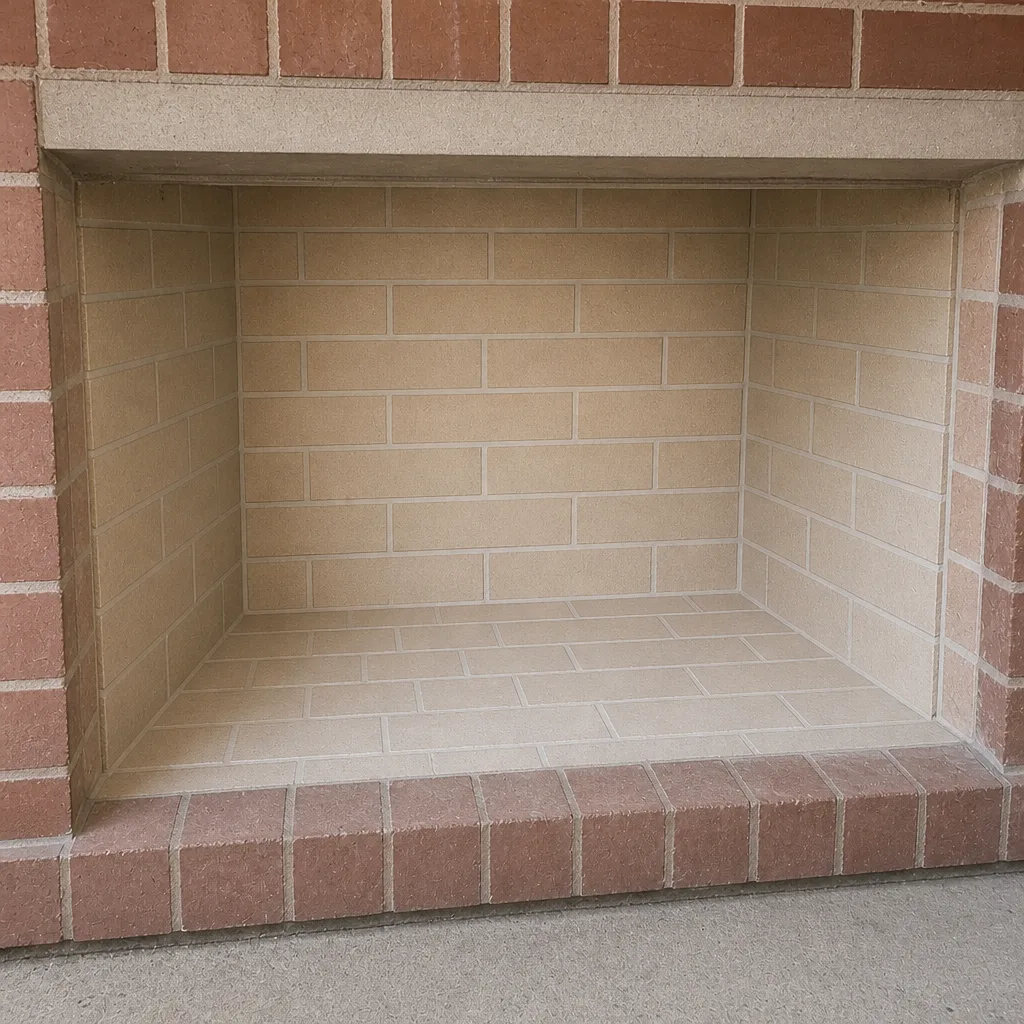
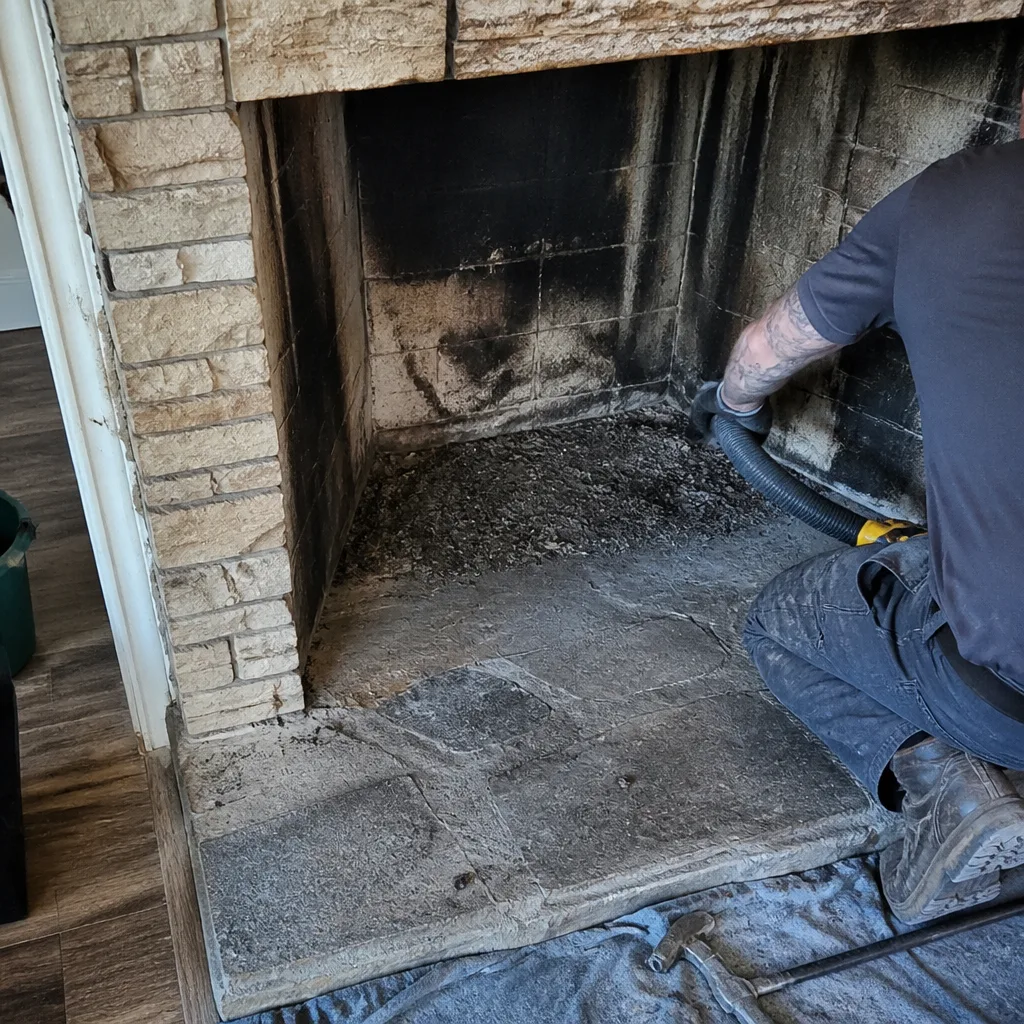
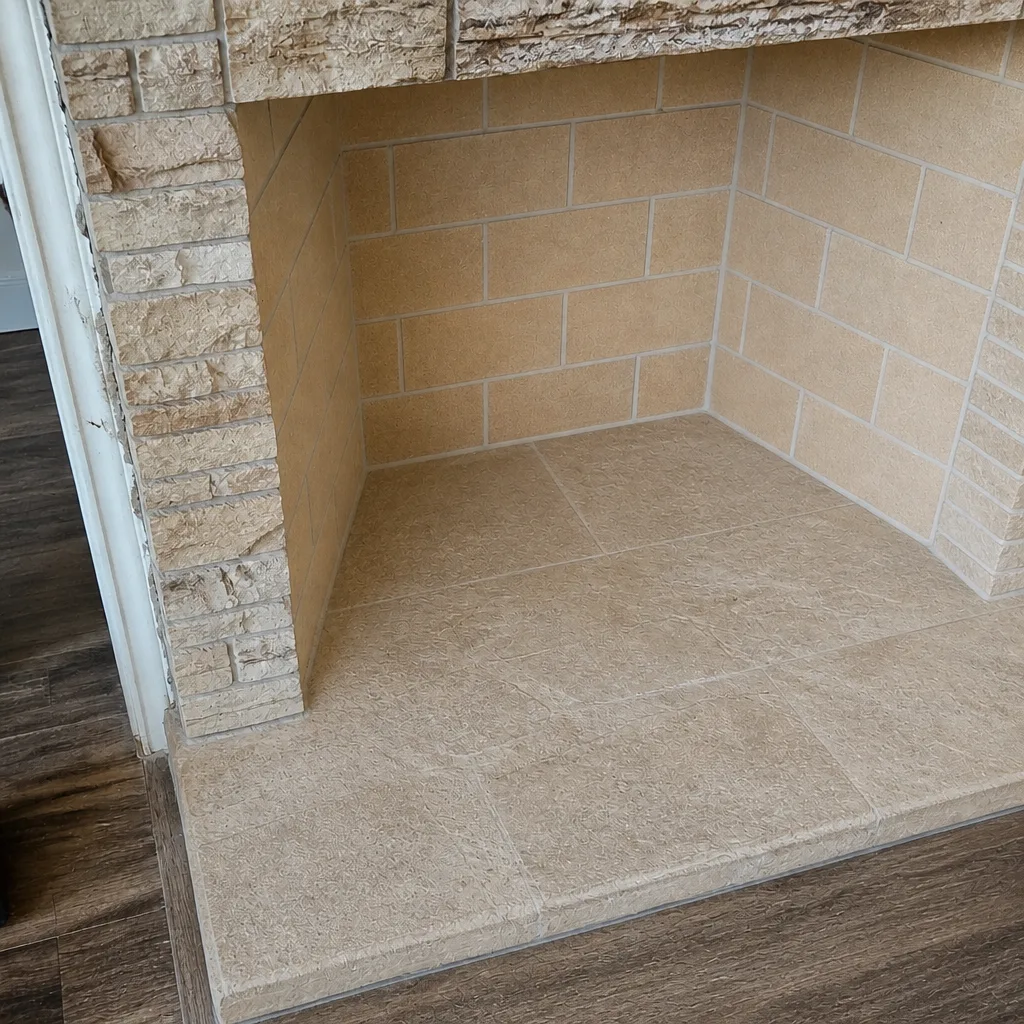
See the difference
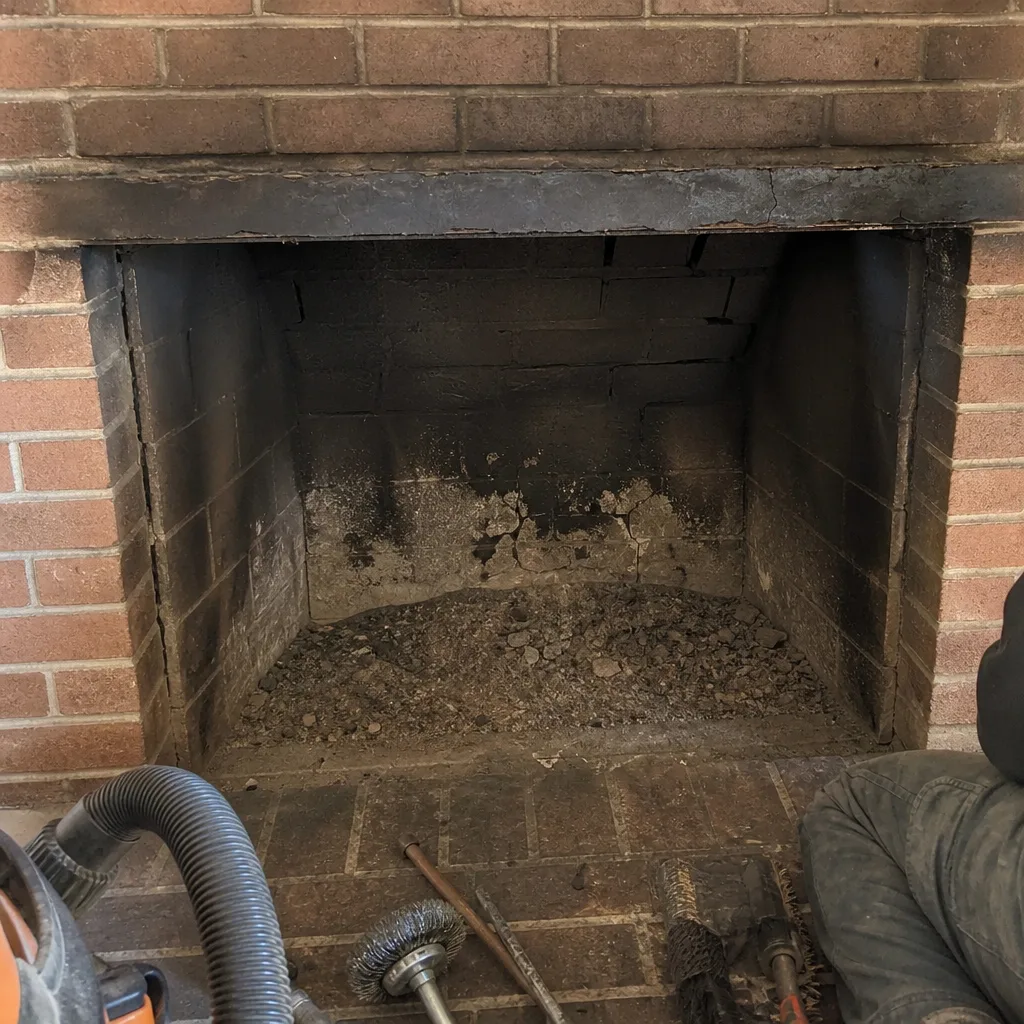 Before
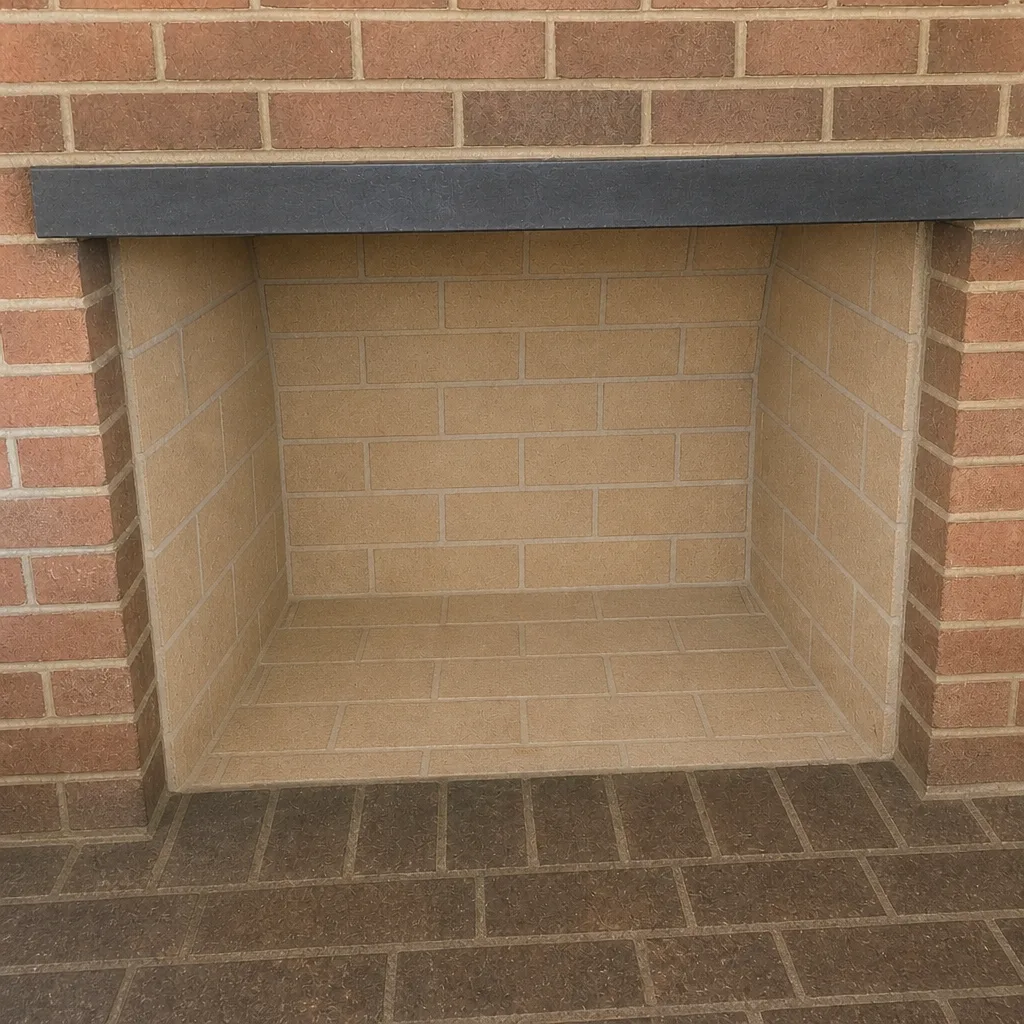 After
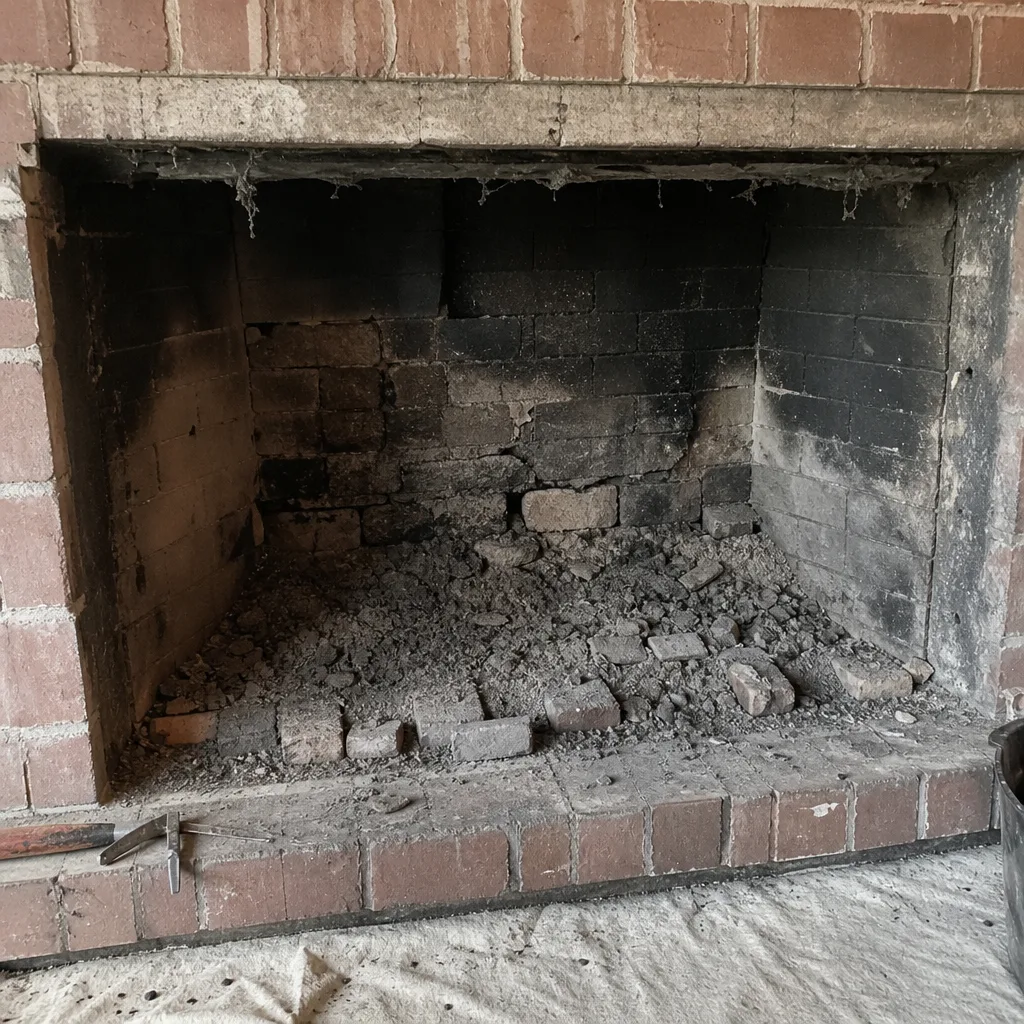 Before
 After
 Before
 After
When to Call a Professional
Some situations can safely wait for the next seasonal visit. Others can’t. Call Chimney Sweep Thornton for a free estimate if you see any of the following: a chunk of the crown or a mortar joint has come loose; there’s a visible crack in the flue tile or the firebox brick; you hear animals or birds in the flue; smoke comes back into the room when you light a fire; you notice draft getting weaker than it used to be; a carbon monoxide alarm goes off; the cap is damaged or missing; or it’s been more than a year since the last professional inspection. If you’re not sure which applies, call (866) 361-5660. We answer 24/7. Fast dispatch from 7am to 7pm, Sunday through Friday. The estimate is free and the written estimate sets the price per job.
Frequently Asked Questions
Chimney sweeping in Thornton is priced per job with a written estimate, since the cost depends on the flue type, length, and what the inspection turns up. The estimate is free, and the written number you get sets the final price. Call (866) 361-5660 for an exact quote – estimates are free.
Not necessarily. A liner recommendation should come from a camera inspection you can look at yourself. Flues with cracked interiors, missing mortar joints, or damage from a past fire often do need a liner, but we use DuraFlex liner systems specified for the specific flue, and we won’t recommend one without evidence. If it’s not needed, we’ll say so. Call (866) 361-5660 for an exact quote – estimates are free.
At least once a year for a wood-burning fireplace, before the first burn of the season. If you burn heavily or notice weak draft or smoke rollover, a second look in the spring is a good idea, and the annual sweep catches most problems. Call (866) 361-5660 for an exact quote – estimates are free.
Depends on the year. A creosote layer that builds over a skipped season increases fire risk in the flue, and small cracks or crown damage get worse through another freeze-thaw cycle. Sometimes a skipped year costs nothing; sometimes it’s a repair. The inspection is what tells you which one you’re facing. Call (866) 361-5660 for an exact quote – estimates are free.
Yes, for venting safety. Gas inserts don’t produce creosote, but their venting system still needs annual attention, and in Thornton’s tight, newer homes draft issues can develop even on a gas unit. An annual inspection is what catches that before anyone has a symptom. Call (866) 361-5660 for an exact quote – estimates are free.
Because that’s when it’s actually venting combustion gases, and a ventilation failure means CO goes into the room instead of outside. Unvented or poorly venting gas inserts, blocked caps, and backdraft from tight envelopes can all contribute, so CO alarms and annual inspections both matter. Call (866) 361-5660 for an exact quote – estimates are free.
Yes. Lint accumulation in the vent is a leading cause of residential fires, and it’s separate from the chimney but part of the same “venting safety” job. We offer it as a standalone service, and pairing it with the annual chimney visit is the simplest way to keep both current. Call (866) 361-5660 for an exact quote – estimates are free.
The Bottom Line
Chimney care in Thornton is a year with four seasons of work, not one appointment. Spring catches freeze-thaw damage while it’s still cheap to repair. Summer handles caps, waterproofing, and pest intrusion before the monsoon season and the first cold snap. Fall is the sweep that clears creosote and prepares the flue for use. Winter is when you watch for draft issues and respect carbon monoxide. If you keep those four phases in your calendar, you’ll spend less time and money fixing the problems that the single-visit plan creates, and you’ll go into each burn season with a clean, inspected chimney. One team, one scope – sweeping, repair, and dryer vent cleaning under one roof.
Chimney Sweep Thornton handles cleaning, repair, and dryer vent service as one specialist, so a damaged liner or a cracked crown found during your sweep gets addressed before the appliance is back in use. Book a free estimate by calling (866) 361-5660. We answer 24/7. Fast dispatch from 7am to 7pm, Sunday through Friday.
Written by the team at Chimney Sweep Thornton.