
Last updated November 15, 2026
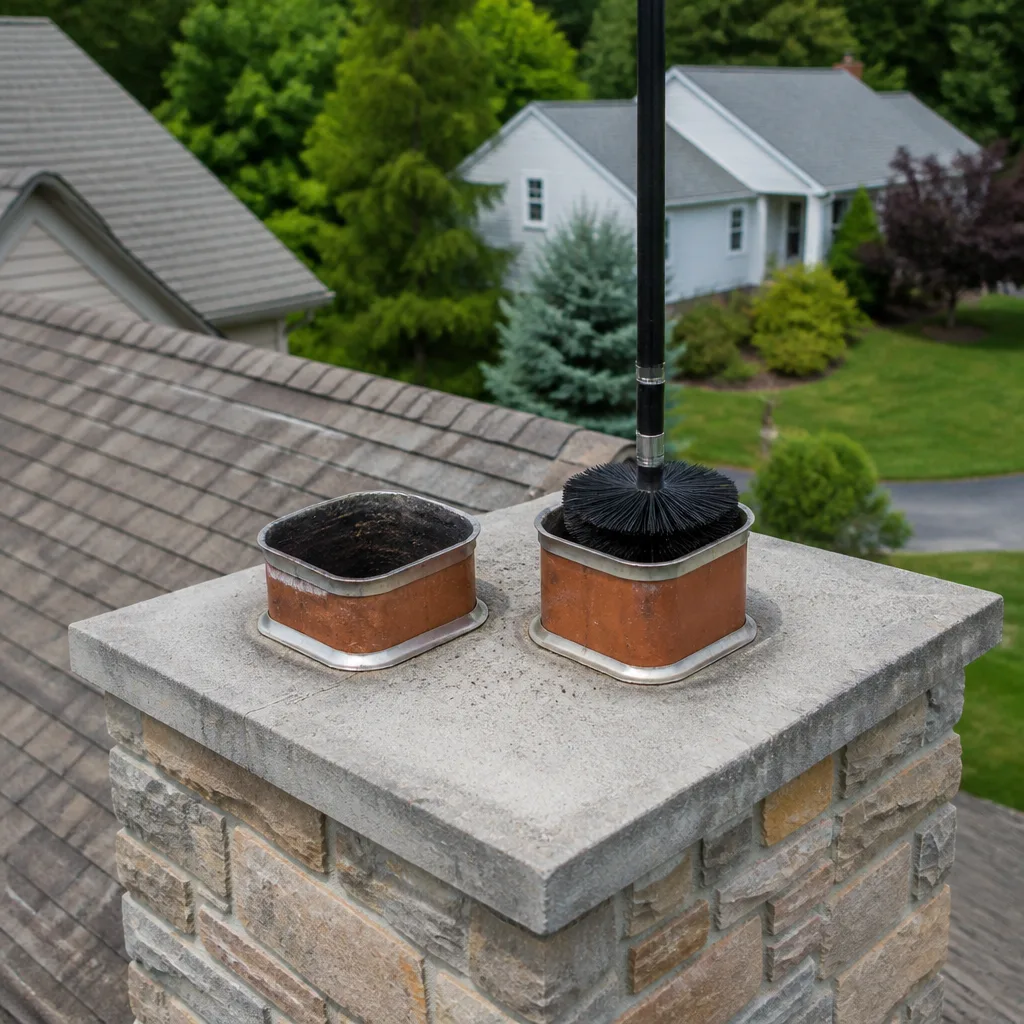 Sweep & inspection
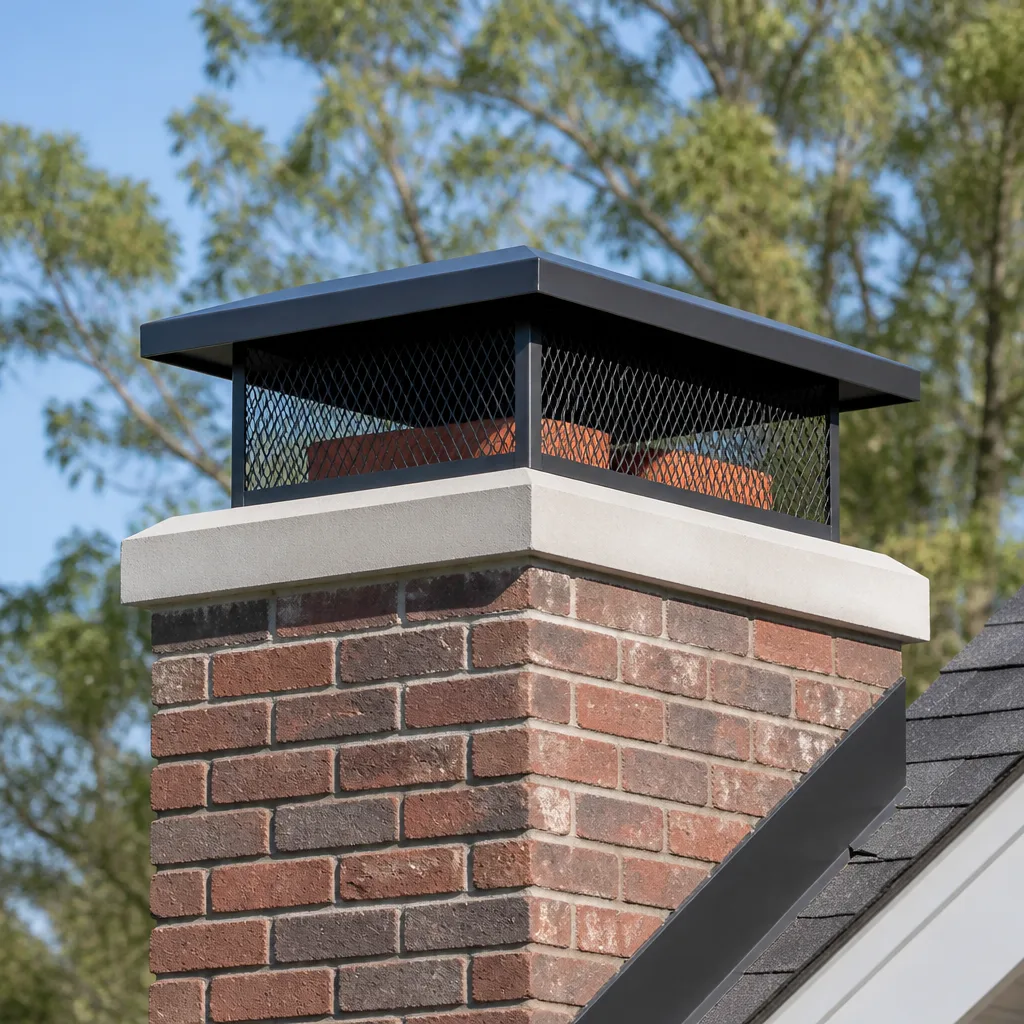 Caps & crowns
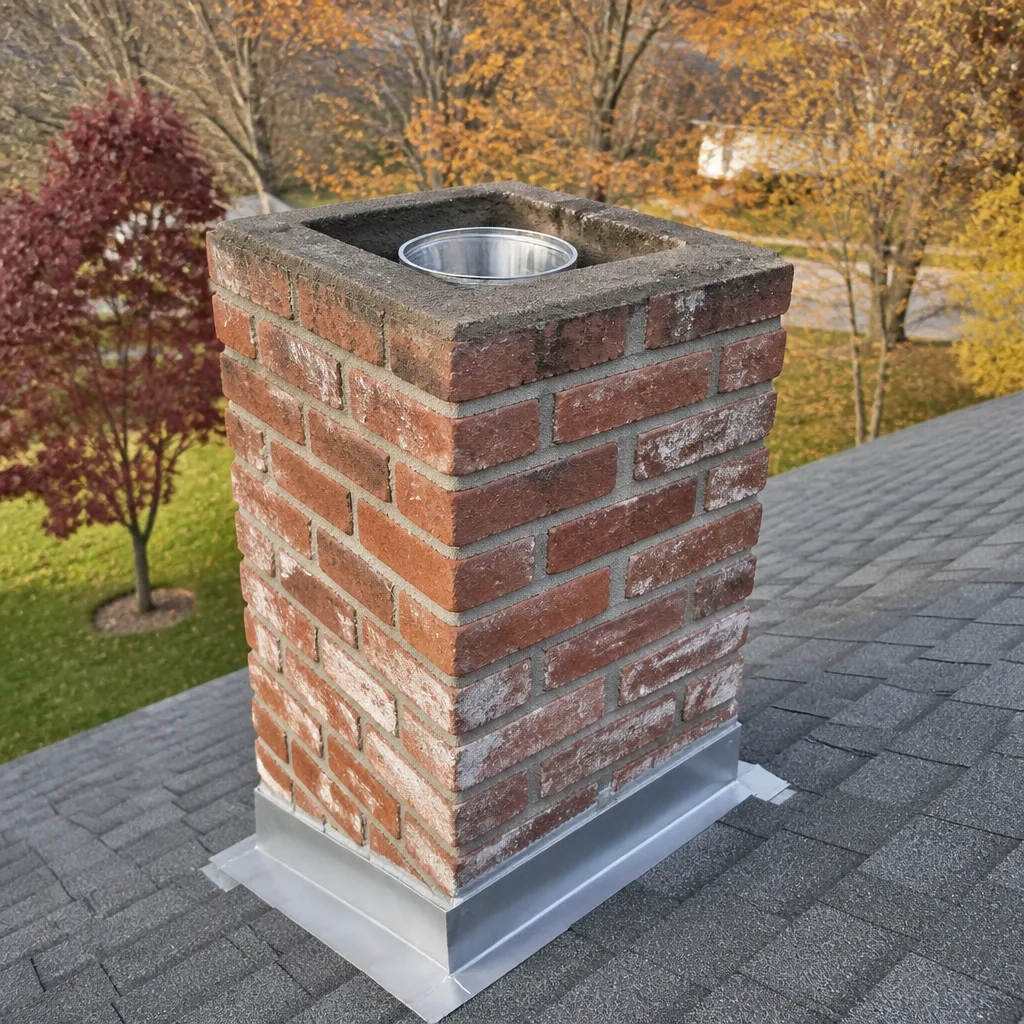 Flue relining
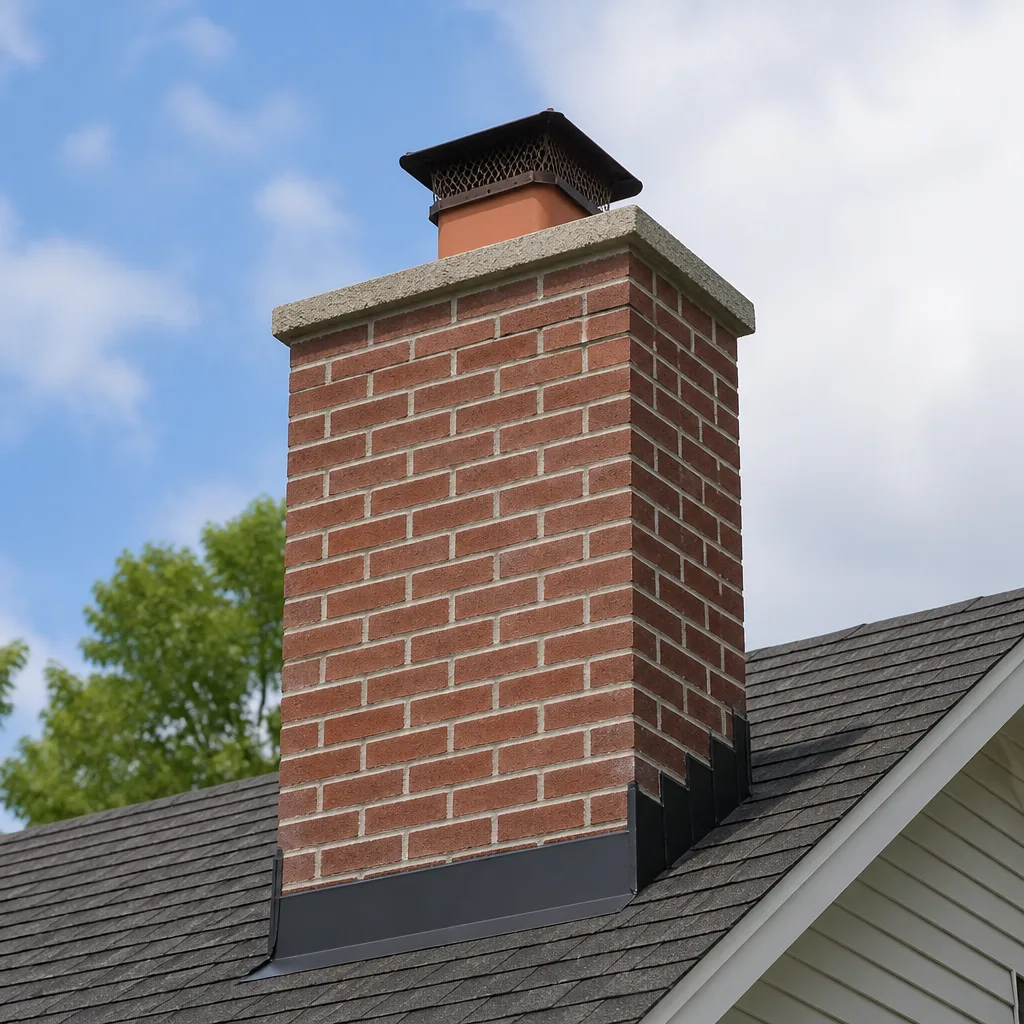 Masonry repair
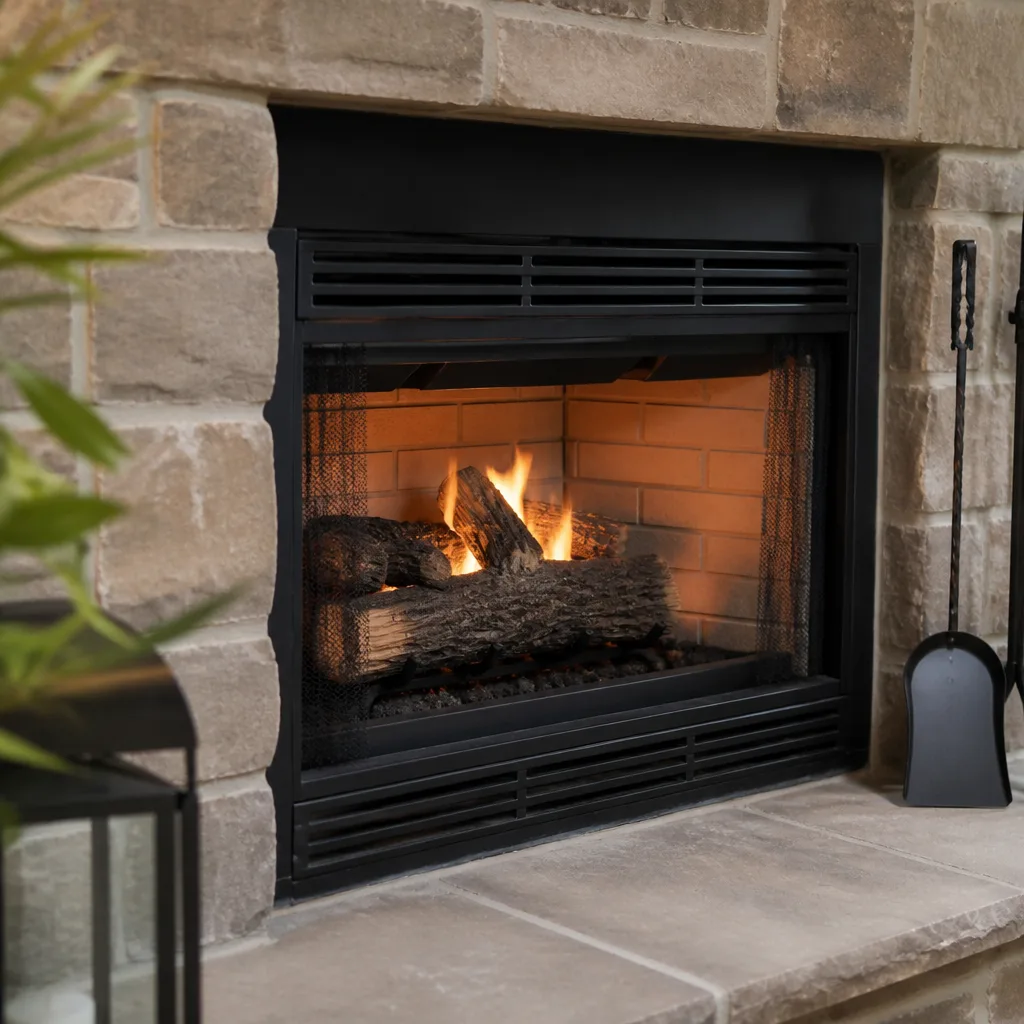 Gas fireplace service
Level 1 sweep and inspection to the NFPA 211 annual standard - flue, crown, cap, and flashing checked and photographed
Chimney sweep logs do not sweep chimneys. They loosen some creosote - which then falls where a brush and vacuum still have to collect it.
Chimney Sweep Troubleshooting in Thornton: Common Problems and How to Fix Them
If your fireplace smokes into the room only on windy days, the problem probably isn’t your damper. It’s more likely negative pressure: your home’s HVAC layout and exhaust fans are competing with your flue for air, and the chimney loses. That diagnosis is one most general handymen never reach, and it changes the fix entirely. The same pattern shows up all over Thornton. A homeowner sees a smoking fireplace, a summer odor, and weak draft as three separate problems, calls three people, and pays for a partial fix that doesn’t hold. This guide teaches you to read the full chain of evidence first, so you know what’s actually wrong before anyone quotes you a repair.
Quick Answer
Most chimney problems that look separate (smoke backdraft, odor, weak draft, white staining on the exterior) trace back to one structural root cause: a moisture, pressure, or flue-integrity failure that only a full inspection reveals. Diagnose the whole chain of evidence before approving any repair, because a partial fix on a symptom wastes money and leaves the real fault in place. In Thornton, where dry air and a wide seasonal temperature swing work on masonry all year, that root cause is very often moisture or pressure rather than a worn-out part.
Styles & brands we work with
- Sweep & inspection
- Caps & crowns
- Flue relining
- Masonry repair
- Gas fireplace service
Table of Contents
- Draft Failure: Flue Blockage or Negative Pressure?
- What Persistent Chimney Odor in Summer Really Means
- Smoke Chamber vs. Failing Damper: Telling Them Apart
- White Staining on the Exterior Chase
- Reading the Symptom Cluster Before You Call
- The Thornton Decision Tree: DIY, Sweep, or Structural Repair
- Creosote, Glaze, and Fire Risk
- The Venting Problem Most Sweeps Ignore
Draft Failure: Flue Blockage or Negative Pressure?
Two very different problems produce the same symptom: a fireplace that won’t draw. One is a blocked or undersized flue, which is a physical obstruction. The other is negative air pressure, where your house is so tightly sealed or your exhaust fans pull so hard that the flue can’t get enough make-up air to draw properly. The fixes are completely different, and treating one as the other is the most common money-waster we see.
Here’s how to tell them apart. A blockage fails every time you light a fire. Negative pressure is intermittent. It shows up on windy days, when the kitchen or bath fan is running, when the furnace kicks on, or when the dryer is going. If your fireplace draws fine on a still, mild evening but puffs smoke when the wind picks up or the range hood is on, you’re looking at a pressure problem, not a clogged flue.
Blockage causes fall into a few buckets:
- Creosote buildup narrowing the flue (see the creosote section below).
- A bird or animal nest in the flue, common in Thornton where openings go unguarded.
- A collapsed or detached liner section.
- A flue that was never sized correctly for the appliance in the first place.
Negative pressure is an airflow problem in the house, not in the chimney. It’s more common in newer, tightly weatherized Thornton homes with sealed windows and mechanical ventilation, and in homes where a large kitchen hood or whole-house fan competes with the flue. Fixes range from a make-up air source to a chimney cap or top-sealing damper that stabilizes draft, to correcting a smoke chamber that can’t direct air properly. Our technicians have up to 10 years of experience reading these pressure symptoms, and we’ve seen how often a “damper problem” turns out to be the house starving the flue for air.
Before you accept a quote, ask the technician to show you which of the two you have. If they can’t explain it, get a second opinion.
What Persistent Chimney Odor in Summer Really Means
A chimney that smells in summer is telling you something specific, and it’s usually one of two things: moisture getting in and mixing with creosote, or creosote itself baking in the heat and off-gassing into the house. The smell is a symptom, not the problem. Which of the two you have determines whether the fix is a cleaning, a crown repair, or a full reline.
The moisture case is more common in Thornton than people expect. Masonry is porous, and when summer rain finds a cracked crown or a failed flashing detail, water gets into the flue system. Combined with residual creosote, that wet ash-and-soot mix produces a sharp, sour smell that gets worse in humid weather and after storms.
The creosote case looks different. When a chimney sits unused in hot weather, the creosote film built up on the flue walls softens and releases a smoky, tarry odor that drifts into the living space, especially on still days. It’s most noticeable in rooms near the fireplace and often worse upstairs.
Here’s how each is confirmed:
- Moisture intrusion: a chimney inspection looks for cracked or spalling masonry, a deteriorated crown, and staining on the interior flue walls or smoke shelf. Water staining or rusted damper hardware points directly to moisture.
- Creosote off-gassing: the sweep reveals dark, tar-like buildup on the flue walls, often glazed. The smell correlates with the amount of residue, not with weather.
If the inspection finds both – wet creosote – you’ve got a cleaning plus a moisture repair, not one or the other. A sweep-and-clean alone on a moisture problem leaves the source untouched, and the smell comes right back the next summer. When we find a moisture source during a chimney sweep, we fix it before the smell has a chance to return.
Smoke Chamber vs. Failing Damper: Telling Them Apart
Both a deteriorating smoke chamber and a failing damper cause backdraft, and homeowners routinely pay for the wrong repair because the two look identical from the hearth. The smoke chamber is the tapered space just above the damper that funnels smoke into the flue. The damper is the metal plate that seals the fireplace when it’s not in use. They fail differently and they’re repaired with completely different materials.
Damper symptoms:
- The damper plate won’t fully open or sticks halfway.
- The handle feels loose, or the plate has warped from heat.
- Smoke leaks around the damper even when it’s open.
- You can see daylight through gaps in the damper when it’s closed.
Smoke chamber symptoms:
- Smoke rolls out of the firebox and spills over the damper lip even when the damper is fully open.
- The chamber walls are rough, cracked, or have lost their smooth parging.
- Smoke curls down and forward into the room on a cold start, then clears once the flue warms.
- You can see uneven, jagged surfaces in the chamber on inspection.
Why the distinction matters: a damper is a hardware swap, but a deteriorating smoke chamber needs resurfacing with a repair-grade material that can handle heat and smooth the chamber back to a proper funnel shape. This is where material choice separates a real fix from a patch. We use HeatShield resurfacing on smoke chambers precisely because it’s formulated for this job, not whatever cement is cheapest to source. A general handyman pitching a smoke chamber repair with plain mortar is patching over the root cause.
If a company tells you the damper is the problem without inspecting the smoke chamber above it, ask them to look. The two are close enough that a partial look is a partial diagnosis.
White Staining on the Exterior Chase
That white, chalky staining on the outside of your chimney chase is not cosmetic. It’s efflorescence: mineral salts carried to the surface by moisture moving through the masonry from the inside out. When you see it, water is entering the chimney somewhere and traveling through the structure. Left alone, that same moisture reaches the liner.
Efflorescence means three things in sequence:
- Moisture is getting in. The entry point is usually a cracked crown, failed flashing at the roof, or porous brick that needs sealing. The white staining is the visible evidence that the water is traveling.
- The masonry is being damaged. As the water freezes and thaws through Thornton’s wide seasonal temperature swing, it expands inside the brick and mortar, causing spalling and cracking that worsens each winter.
- The liner is at risk. A clay tile liner that’s been exposed to sustained moisture can crack, shift, or deteriorate. Once the liner fails, the moisture and heat have direct access to the framing in your house.
This is why a sweep that only cleans the flue and ignores the exterior chase is missing the chain of evidence. If you’re seeing white staining, get the crown, flashing, and liner looked at together. When a liner turns out to be compromised, a DuraFlex liner system is the fix most certified chimney professionals specify, and it’s what we install for relining jobs. Repairs at this level are structural, not maintenance. Don’t accept a “wash it off and seal the brick” answer as the full solution. The stain is the alarm, not the fire.
Reading the Symptom Cluster Before You Call
The whole point of this guide is that chimney problems arrive in clusters, not one at a time. Before you call anyone, write down what you’re actually seeing. A technician who hears a full symptom list in the first minute will diagnose faster and more accurately than one who hears only the loudest complaint.
Use this checklist to build your own evidence record:
- When does the smoke happen? Windy days only, every fire, or cold-start only? Each points at a different cause.
- What else is running? Note whether the kitchen fan, bath fan, dryer, or furnace is on when the fireplace misbehaves.
- What does it smell like, and when? Sharp and sour in humid weather suggests moisture. Smoky and tarry on still summer days suggests creosote.
- What does the exterior look like? White staining, cracked masonry, a broken cap, or missing mortar are all clues.
- What does the damper do? Full open, sticky, warped, or leaking?
- What does the firebox look like? Rough chamber walls, cracked liner tiles, or heavy soot are each worth mentioning.
In our experience, homeowners who arrive with this cluster in hand get a complete diagnosis on the first visit, and companies that can fix both the cleaning and the structural problem in one visit save them a second appointment. That matters here, because the seasonal rhythm in Thornton is real: once burning season arrives, everyone’s wait list gets longer. Diagnosing early, before the first cold snap, is the pragmatic move.
If you’re in a home with a gas insert, the same discipline applies. Weak draft, odor, and staining can all trace back to the same flue and moisture issues that a wood fireplace shows. Don’t assume a gas appliance gets a pass on inspection.
The Thornton Decision Tree: DIY, Sweep, or Structural Repair
Once you’ve gathered your evidence, run it through this decision tree. It sorts your problem into one of three buckets, and it will tell you when a repair quote is justified and when it’s not.
Step 1 – Is it routine maintenance? If the fire is burning well, there’s no smoke, no odor, no exterior staining, and you haven’t had the flue cleaned in a year of regular burning, you’re looking at routine maintenance. That’s a cleaning. Nothing structural to fix.
Step 2 – Is it a sweep-and-clean fix? If you have weak draft, a smoky fire, or a summer odor, and the flue inspection shows heavy creosote, a nest, or buildup but no moisture damage, a thorough cleaning resolves it. Verify that the sweep includes a camera inspection before you book. The camera is what tells you whether the smoke chamber, liner, and crown are actually intact. A sweep that skips it is a guess.
Step 3 – Is it a structural repair? If your inspection turns up white staining, a cracked crown, a failed liner, a deteriorated smoke chamber, or moisture entering the chase, you’re in structural territory. This is where material quality matters more than anything else. A patch job with the wrong material on a smoke chamber or a cracked liner will fail, and you’ll pay for the same repair twice.
For structural work, ask two questions before you sign:
- What material are you using for the repair, and why that one?
- Can you show me the camera evidence of the problem you’re proposing to fix?
The answers separate a specialist from a generalist. A company that can name its resurfacing and relining materials – HeatShield, DuraFlex, and the trusted brand lineup we work with – and show you the visual evidence behind its recommendation is operating with integrity. A company that can’t do either is guessing with your money. If you want a full-scope second opinion on a Thornton chimney, a proper chimney sweep with camera inspection is the right starting point.
Creosote, Glaze, and Fire Risk
Creosote is the natural by-product of burning wood, and it accumulates on flue walls in three forms: a light, flaky soot that’s easy to sweep; a dark, crusty layer that’s harder; and a glazed, tar-like coating that’s the dangerous one. Glazed creosote is dense, sticky, and highly combustible, and it’s what turns a routine cleaning into a serious fire-risk assessment. We never gloss over that risk, because it’s the single most common reason chimney fires start.
How much creosote you build depends on how you burn. We see more buildup in Thornton homes with:
- Unseasoned or wet firewood (the moisture cools the smoke and deposits creosote faster).
- Dampers kept partly closed to slow the burn.
- Long, slow, smoldering fires run without enough air.
- A flue that’s undersized or blocked, causing cooler smoke to linger in the flue.
If your inspection shows glazed creosote, the sweep is more involved, and the message is simple: don’t light another fire until it’s removed. This is a safety duty, not a sales pitch. A trained professional has the tools to remove glazed creosote without damaging the liner, and general handymen usually don’t. If the glazed buildup has already damaged the flue, the fix may combine a cleaning with a liner repair. That’s the moment our full-scope model earns its keep: cleaning and repair in the same visit, no separate contractor, no gap between the two where the danger sits unresolved.
The Venting Problem Most Sweeps Ignore
Most chimney companies clean chimneys and stop there. But a clogged dryer vent is one of the leading causes of residential fires, and it’s the most underserviced home safety risk in the average Thornton house. Lint accumulates in the duct and around the dryer, and it’s flammable. When the vent is restricted, the dryer runs hot, exhaust backs up, and the risk climbs quietly in a way no one notices until a problem starts.
Signs your dryer vent needs attention:
- Clothes take longer than they used to, often needing a second cycle.
- The dryer is hot to the touch on the outside, or the top gets warm during a cycle.
- The outdoor vent flap doesn’t open fully, or lint is visible around it.
- There’s a musty or burning smell in the laundry area.
We treat dryer vent cleaning as a full service, not an upsell after a chimney sweep. It’s the second half of the venting picture, and it belongs in the same maintenance conversation as your flue. If you’ve got a gas dryer, the combination of a restricted vent and a poorly drafting flue is exactly the kind of stacked symptom this guide is about. Both are venting problems, and both merit attention before the heating season. When a chimney visit is on your calendar, putting the dryer vent on the same list is the efficient way to handle it.
Common Mistakes to Avoid
- Treating one symptom as the whole problem. If you fix the damper and ignore the smoke chamber, the smoke comes back. Read the whole chain of evidence before approving any work.
- Accepting a smoke chamber repair with plain mortar. A chamber needs a repair-grade resurfacing material, and general cement under heat will crack and fail. Ask what material is being used, not just what it costs.
- Booking a sweep without a camera inspection. A cleaning without a camera is a guess at what’s inside the flue. The camera is what confirms whether the liner and chamber are intact or already damaged.
- Painting over efflorescence. White staining means water is moving through the masonry, and a coat of sealant over it traps the moisture and makes the problem worse. Find the water entry point instead.
- Assuming a gas fireplace doesn’t need inspection. Gas inserts share the flue and chase with the chimney, and moisture and draft problems don’t care what fuel you burn. They still need the same look.
- Lighting a fire on glazed creosote. Glazed buildup is combustible. If your inspection shows it, wait until it’s removed before your next fire, and never assume a small smoldering fire is “safe”.
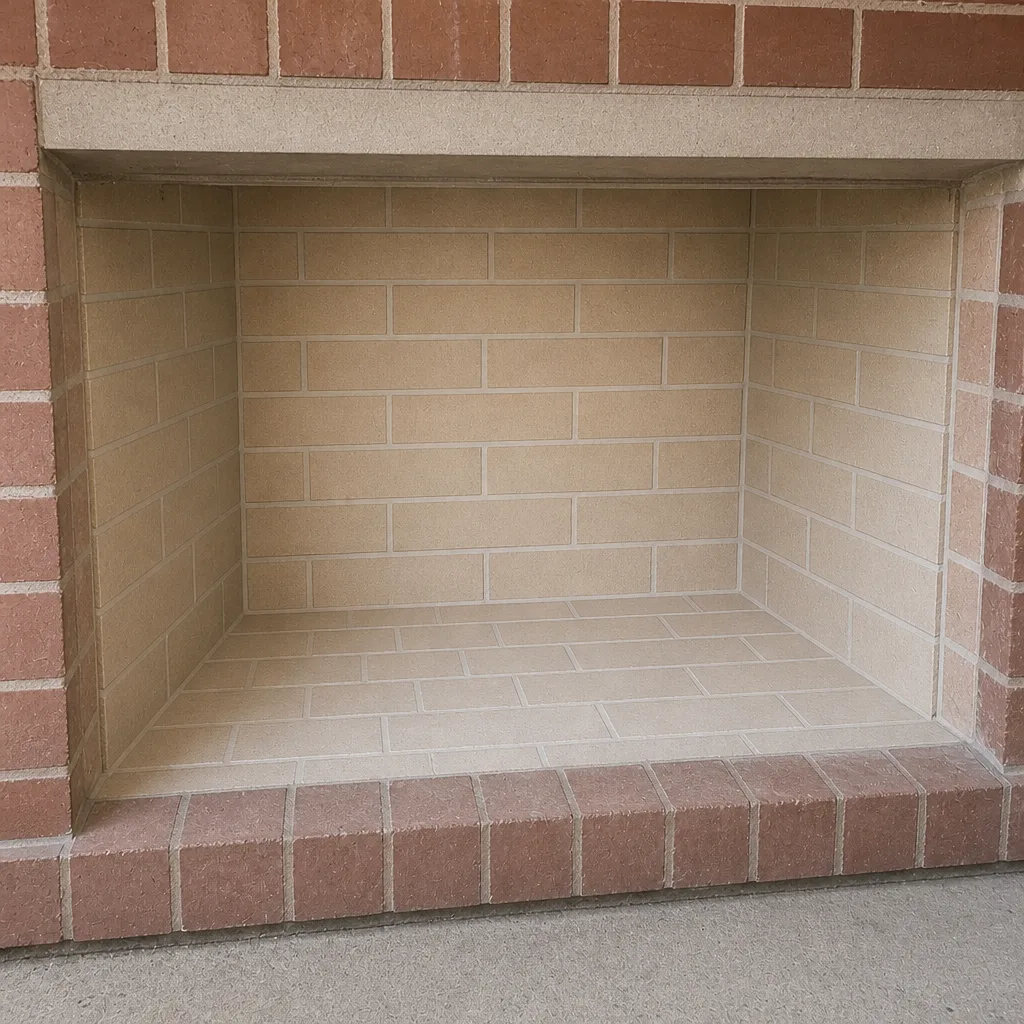
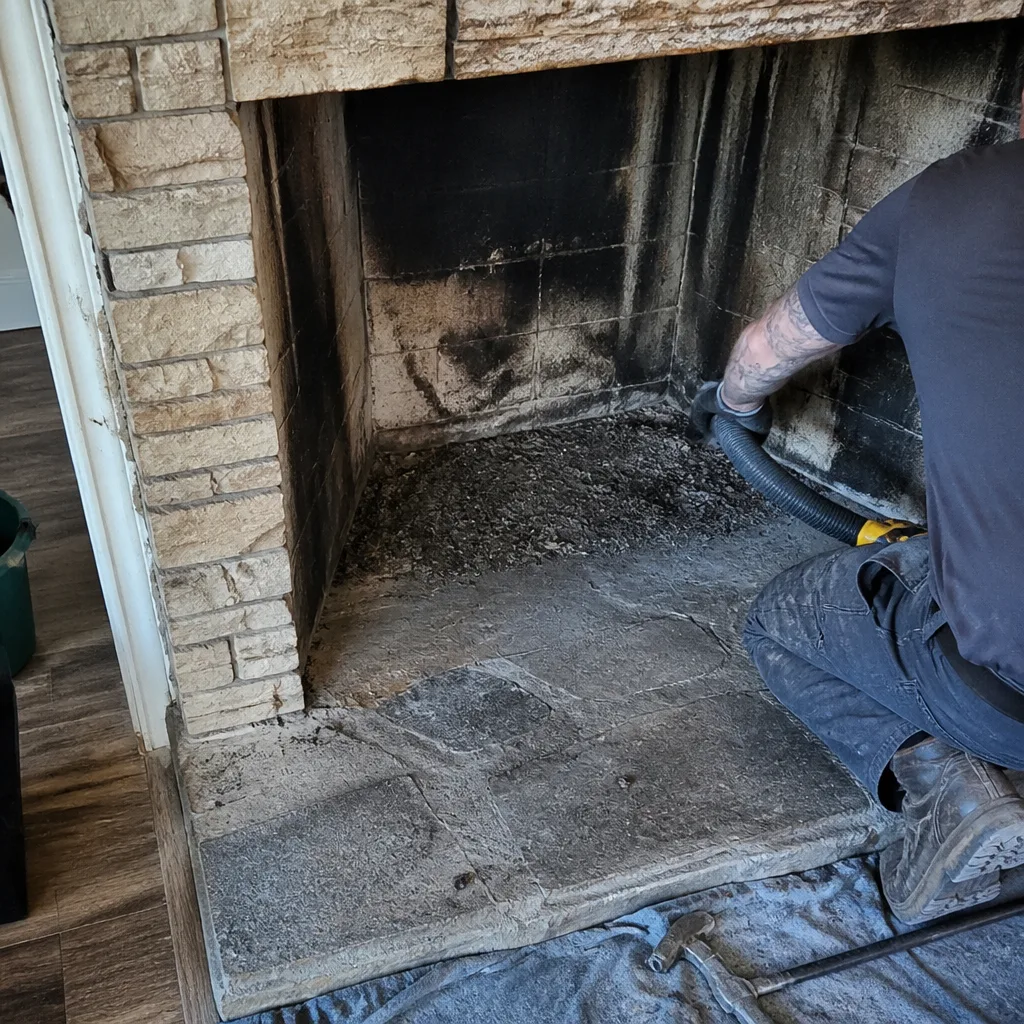
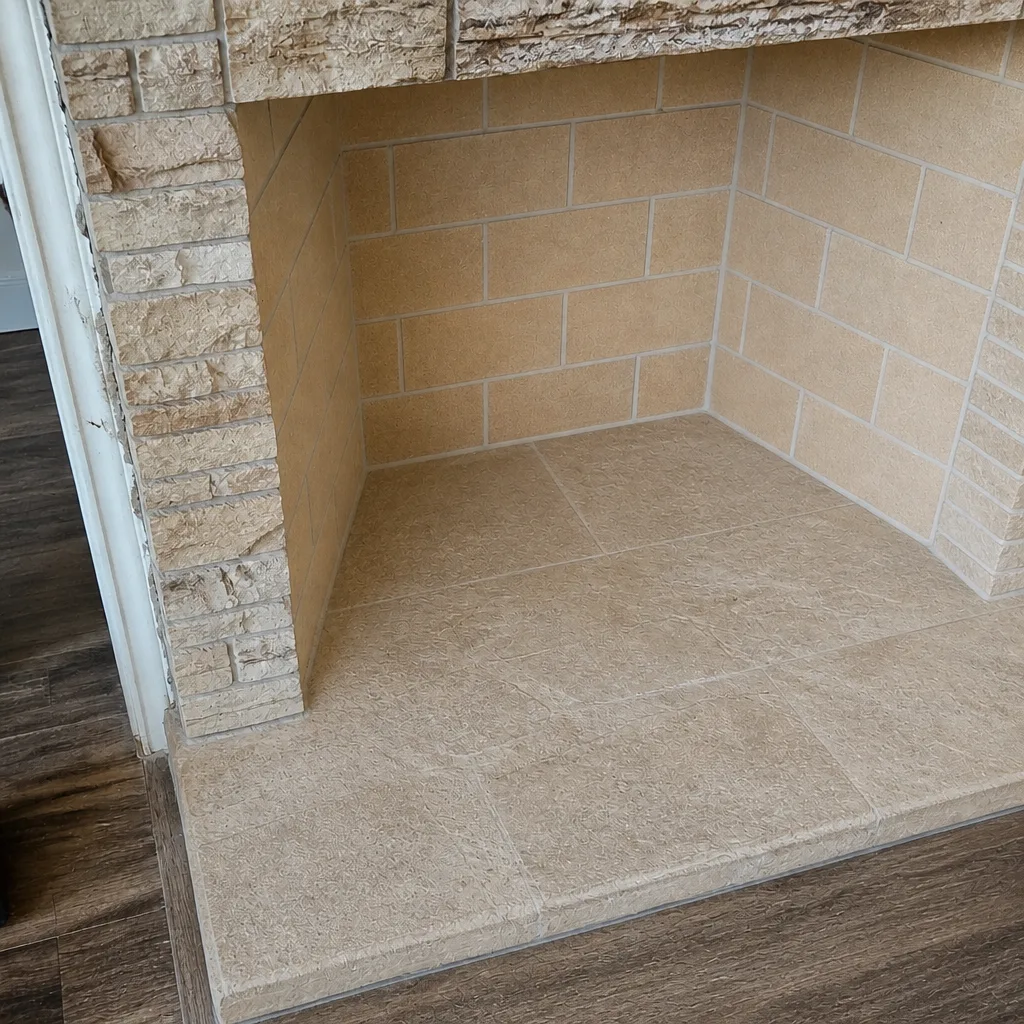
See the difference
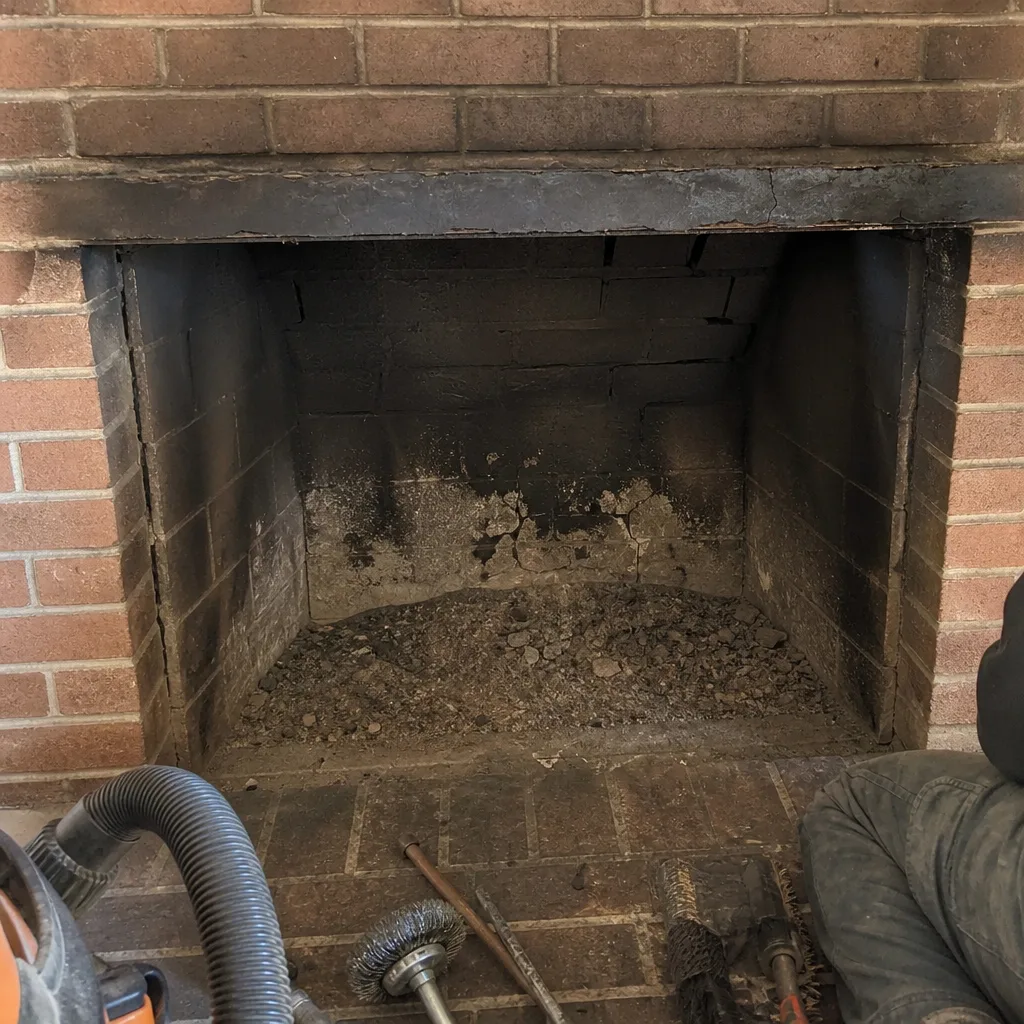 Before
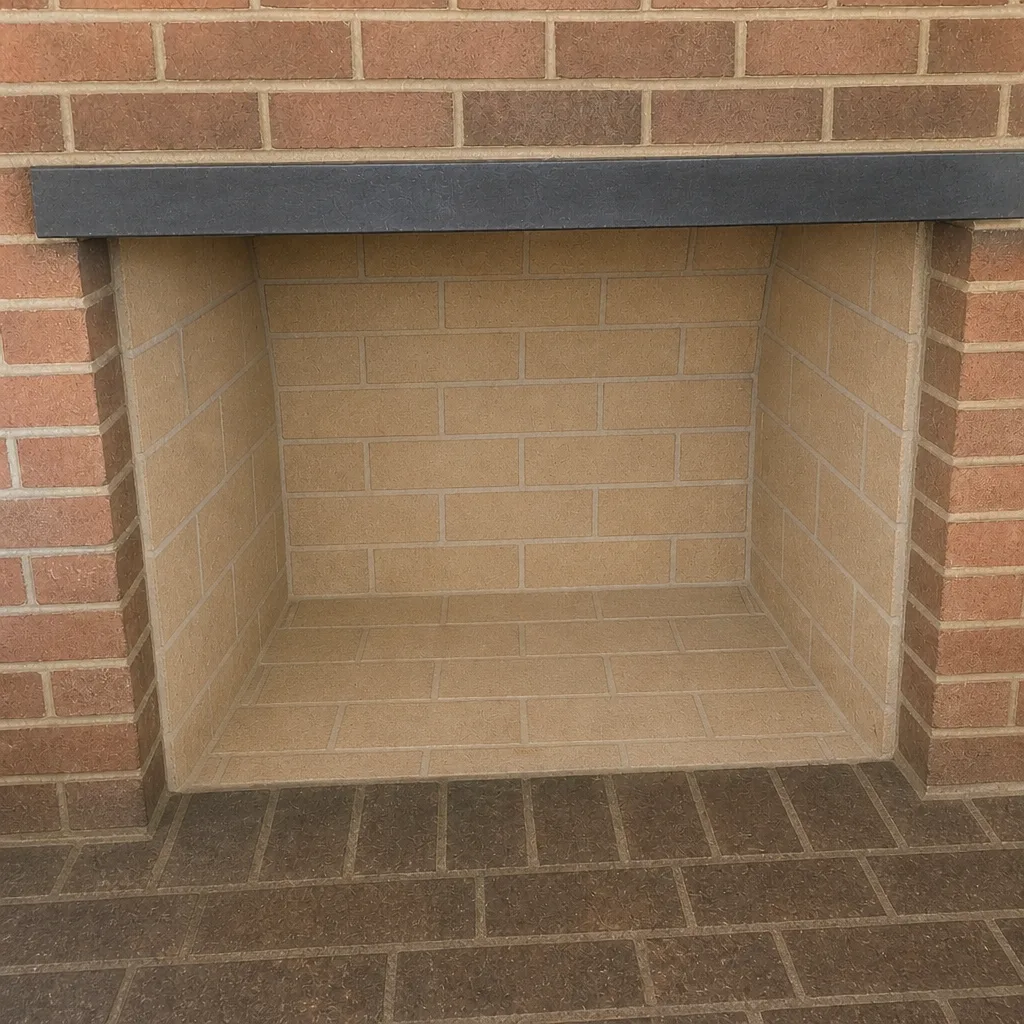 After
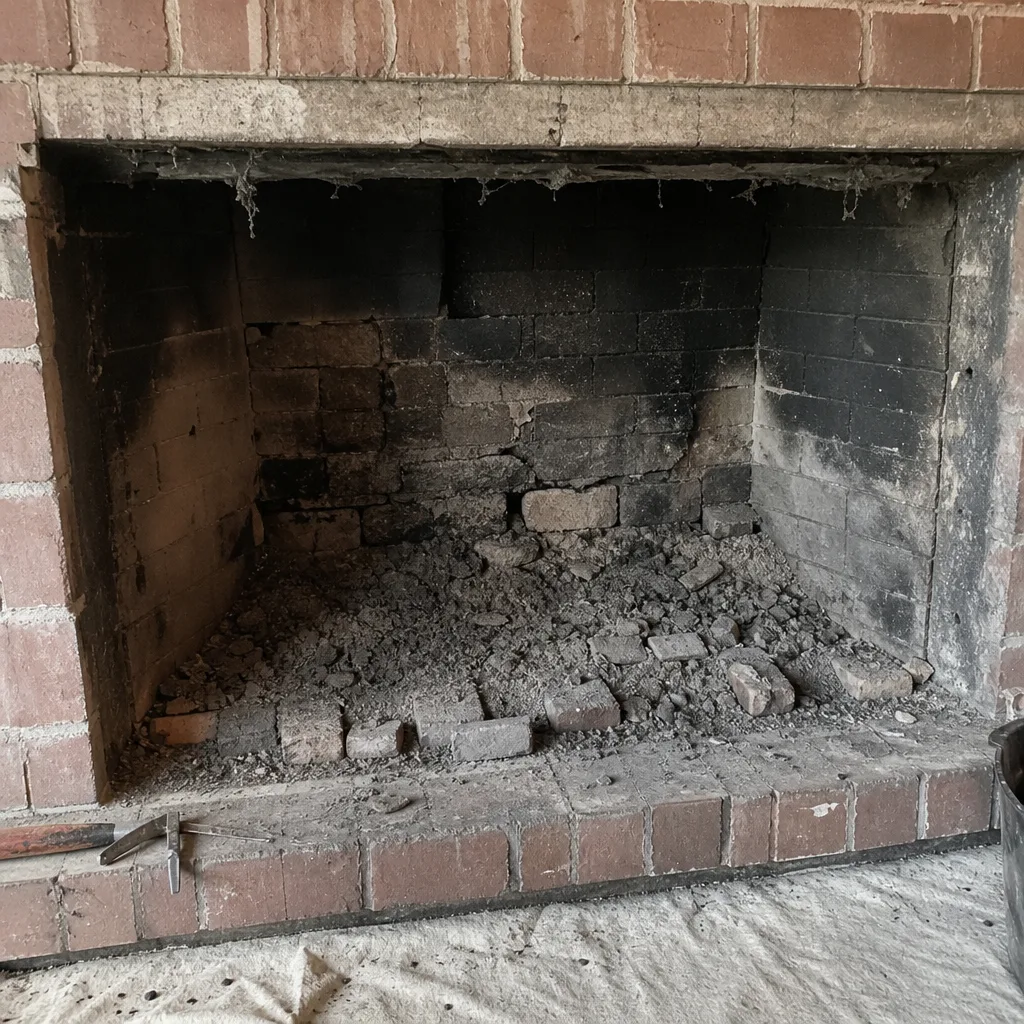 Before
 After
 Before
 After
When to Call a Professional
Call a specialist if any of these are true: smoke enters the room on windy days or when fans run; a summer chimney odor returns year after year; white staining appears on the exterior chase; the damper sticks or fails to seal; the smoke chamber is cracked or rough; the flue has glazed creosote; or a repair was “fixed” once already and came back. Those are all structural or safety findings, and they need trained eyes and the right materials. Chimney Sweep Thornton offers free estimates in Thornton. Call (866) 361-5660. We answer 24/7. Fast dispatch from 7am to 7pm, Sunday through Friday. Our technicians have up to 10 years of experience diagnosing these symptom chains, and every recommendation is tied to what the camera shows you.
Frequently Asked Questions
Most experts recommend an annual inspection, and a sweep whenever a year of regular burning has built up creosote or soot – roughly once a year for typical wood-burning use. Thornton’s long heating season means burn time adds up, so the annual check is the reliable baseline. If you burn damp wood or run slow, smoldering fires, you may need a cleaning sooner. Call (866) 361-5660 for a free estimate, and we’ll tell you what your flue actually needs.
Intermittent smoking that shows up on windy days is the signature of negative pressure, not a blocked flue. Wind, or an exhaust fan competing with the flue, starves the chimney of make-up air, and the smoke has nowhere to go but into the room. A proper inspection confirms it by ruling out blockage first. Call (866) 361-5660 to book an assessment.
Yes. White staining, or efflorescence, is a structural moisture alarm – water is moving through the masonry from the inside out, and the salts it carries are left behind on the surface. Left alone, that moisture damages the crown, the brick, and eventually the liner. It’s never just cosmetic. Call (866) 361-5660 for a free estimate on finding the water source.
A cleaning is enough when the inspection shows buildup but an intact liner. A new liner is indicated when the camera reveals cracks, gaps, or a compromised flue that heat and moisture can reach. The camera evidence is what decides it, and you should see it before you approve the work. When relining is needed, we install DuraFlex liner systems, the material standard certified chimney professionals use. Call (866) 361-5660 for a free estimate.
Summer odor means one of two things: moisture getting in through a cracked crown or failed flashing, or creosote residue baking in the heat and off-gassing. Both are confirmed on inspection – moisture shows as staining or spalling, creosote as visible buildup – and both have specific fixes. Cleaning alone won’t cure a moisture source. Call (866) 361-5660 for a free estimate and a full diagnosis.
Yes. Chimney Sweep Thornton handles chimney sweeping, chimney repair, and dryer vent cleaning as a single scope. That matters because both are venting safety issues, and handling them in one visit saves you a second appointment. Call (866) 361-5660 for a free estimate on either service.
Yes. We work across Thornton and the surrounding north-metro communities, and home age and construction vary enough that the diagnosis differs by neighborhood. Older masonry chimneys tend to show moisture and efflorescence problems, while tightly built modern homes more often show the negative-pressure pattern. You can read more about Thornton and what we handle here. Call (866) 361-5660 to book.
What actually happens if I skip the sweep?
If you skip it, you’re betting the liner is intact and the creosote is thin, and no one has looked. The real risks are chimney fire from glazed creosote, carbon monoxide from a blocked or damaged flue, and water damage you don’t discover until the liner needs replacing. None of those are visible from the living room. Call (866) 361-5660 for a free estimate before the next heating season.
The Bottom Line
Most chimney problems in Thornton are symptom stacks, not single faults. A smoking fireplace on windy days, a summer odor, and weak draft usually share one structural root cause: a pressure or moisture failure that only a full inspection exposes. Read the whole chain of evidence before you approve any repair, and confirm that the recommendation is backed by camera footage you can see. When the fix requires repair-grade materials – HeatShield for a smoke chamber, a DuraFlex liner for a compromised flue – that’s a specialist’s job, not a generalist’s patch. Fix it once, with the right materials, and you won’t be paying for the same problem twice. That’s the whole reason Chimney Sweep Thornton keeps cleaning and repair under one roof.
For a free estimate on chimney sweeping, chimney repair, or dryer vent cleaning, call (866) 361-5660. We answer 24/7. Fast dispatch from 7am to 7pm, Sunday through Friday. You can also start with our main Chimney Sweep Thornton page to see the full scope of what we handle.
Written by the team at Chimney Sweep Thornton.