
Last updated November 15, 2026
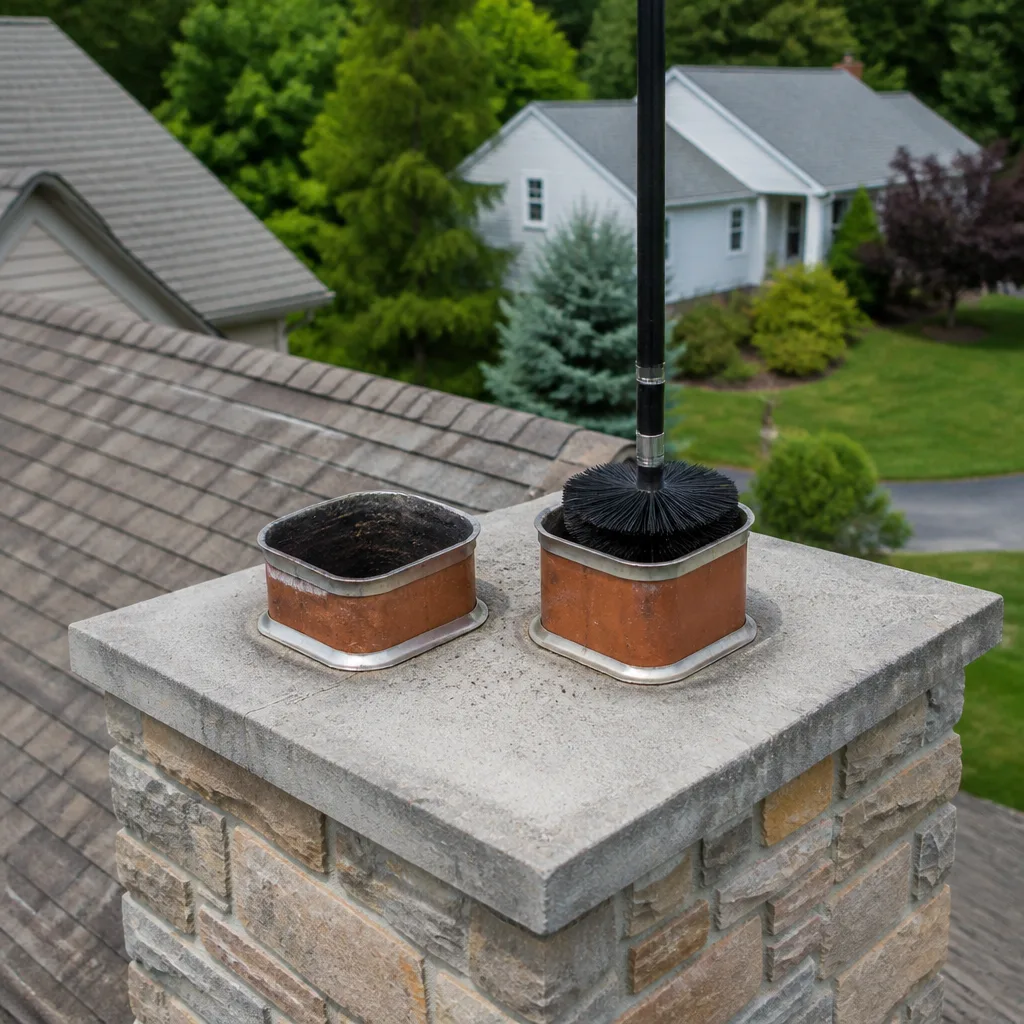 Sweep & inspection
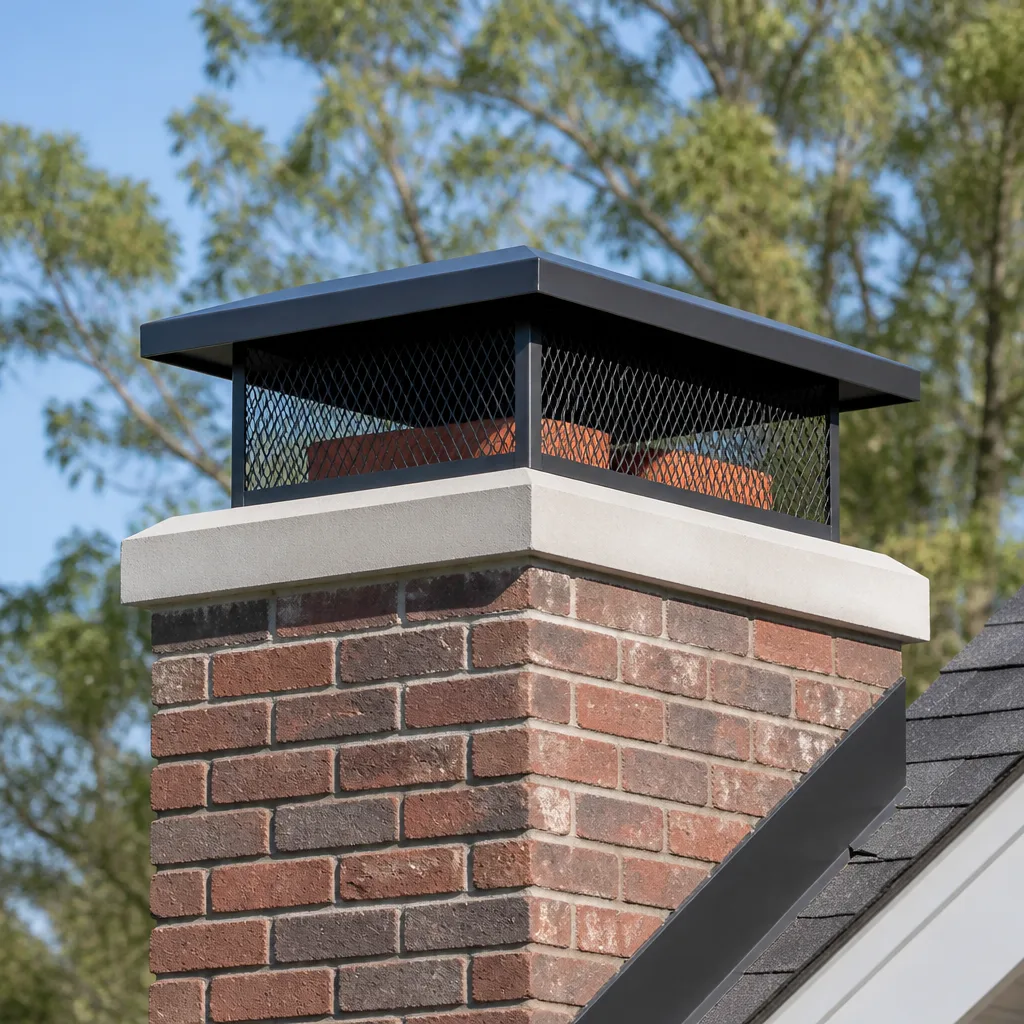 Caps & crowns
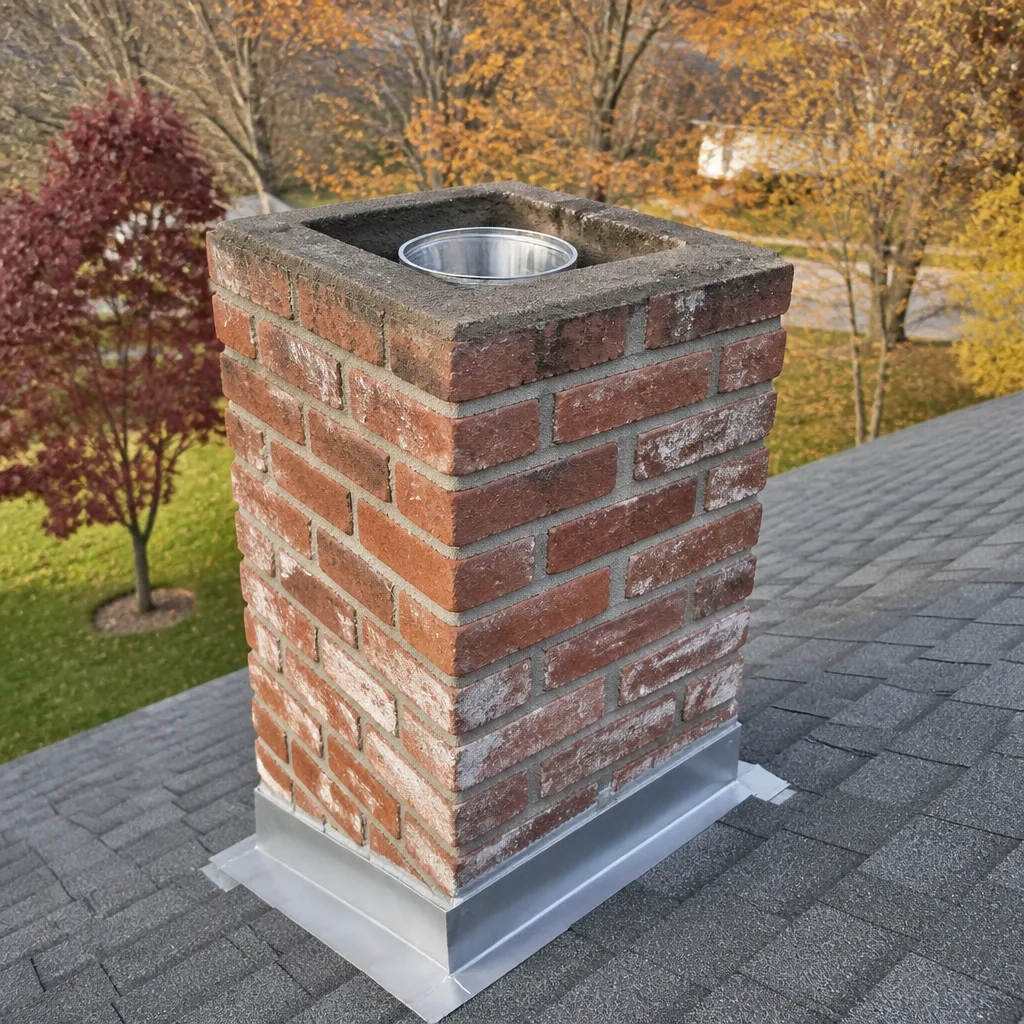 Flue relining
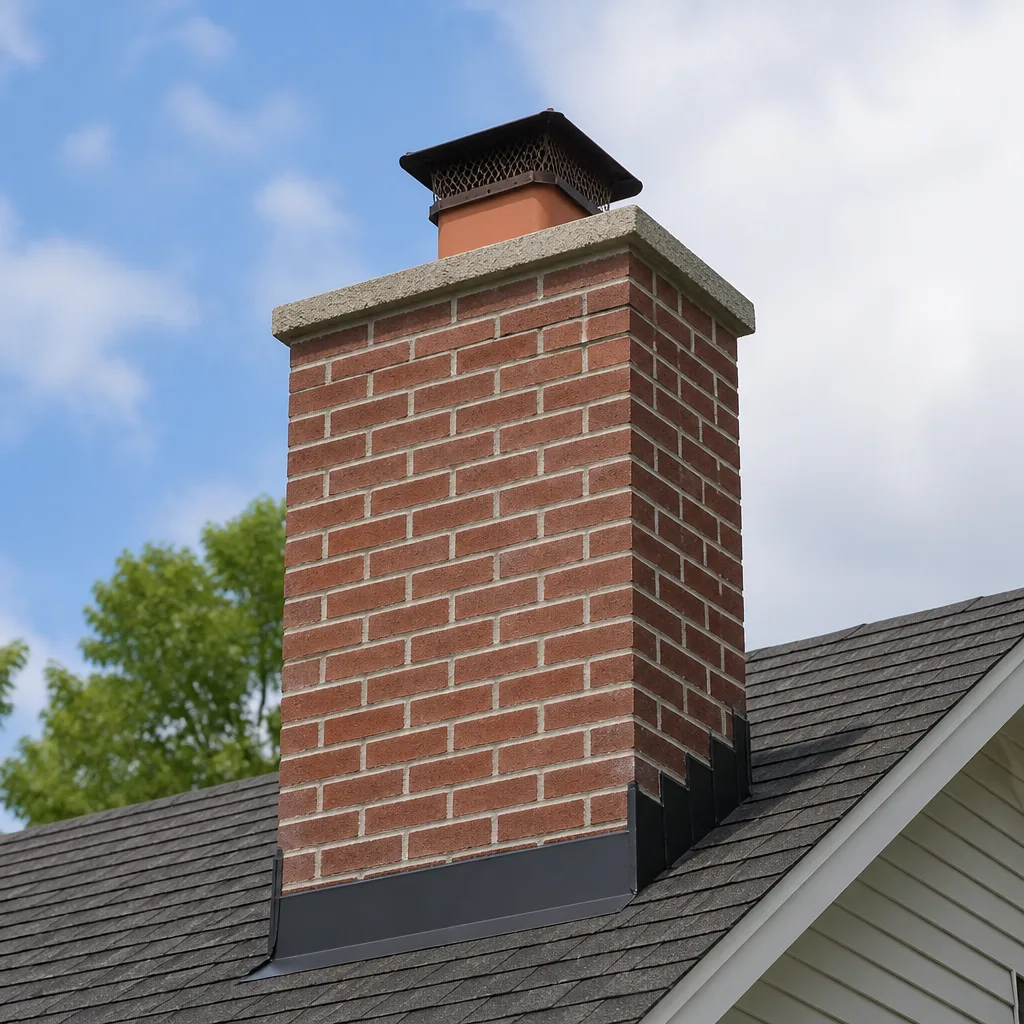 Masonry repair
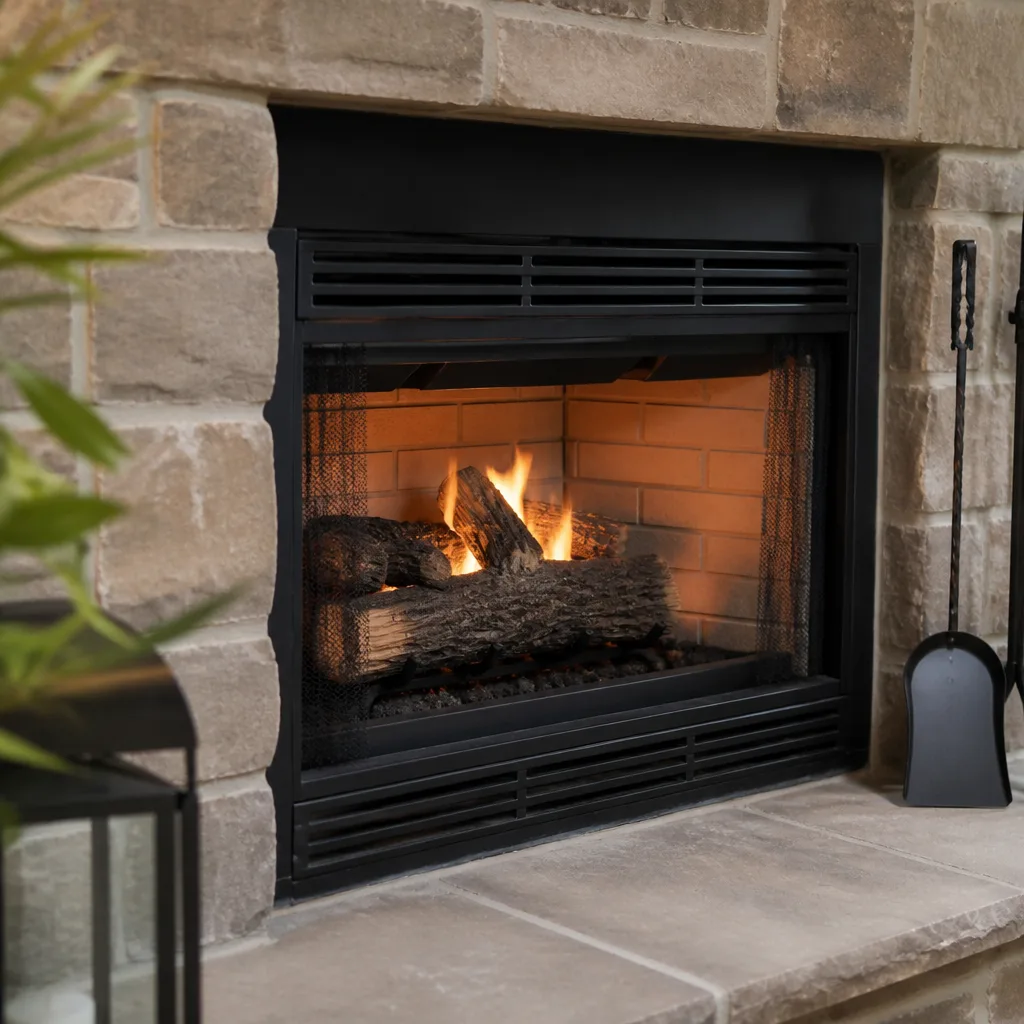 Gas fireplace service
Level 1 sweep and inspection to the NFPA 211 annual standard - flue, crown, cap, and flashing checked and photographed
Chimney sweep logs do not sweep chimneys. They loosen some creosote - which then falls where a brush and vacuum still have to collect it.
Choosing the Right Chimney Cleaning Brand: A Buyer’s Guide for Thornton
When a contractor replaces your chimney crown or applies a waterproofing treatment, you usually can’t see what product went on. The work is done on a roof, sealed behind flashing and coating, and by the time you look up there again it’s a season later. That invisibility is where the real story hides, because the gap between a product formulated for chimney substrates and a general masonry substitute isn’t a minor brand preference. It’s the difference between a surface that holds for years and one that starts failing after a couple of winters. In Thornton, where freeze-thaw cycles work on masonry every winter, that gap gets tested fast. This guide explains how chimney products differ, which brands professionals actually specify, and how to make a contractor show their hand on paper before you hire them.
Quick Answer
Choosing the right chimney cleaning and repair brand comes down to verifying that the contractor specifies named, chimney-specific products on a written quote rather than generic masonry materials. Look for manufacturers whose products are formulated for flues, crowns, and liners – names like HeatShield, Gelco, Olympia Chimney, and Famco are used by chimney specialists across the country. If a company can’t or won’t name what they’re installing, treat that as a material risk, not a paperwork quibble.
Styles & brands we work with
- Sweep & inspection
- Caps & crowns
- Flue relining
- Masonry repair
- Gas fireplace service
Table of Contents
- Why Chimney Product Brands Matter More Than You Think
- The Four Product Categories Every Full-Service Chimney Company Should Handle
- How to Ask a Contractor to Specify Products on a Quote
- Liner and Relining Materials: Why the Grade Matters
- Chimney-Rated Products vs. General Masonry Substitutes
- Professional Sourcing vs. the Local Supply House
- What Thornton’s Climate Does to Chimney Materials
- How to Verify a Contractor Before You Book
Why Chimney Product Brands Matter More Than You Think
Chimney systems are exposed to conditions that general building materials weren’t designed for: repeated heating and cooling, acidic condensate from combustion gases, and on the exterior, sun and freeze-thaw cycling. A waterproofing sealer made for a concrete patio and a sealer made for a chimney crown are not interchangeable, even if they look the same going on. The chimney-specific product is formulated to handle thermal movement and vapor transmission without trapping moisture inside the masonry, which is what causes spalling and cracking over time.
In our experience, most premature chimney repair failures trace back to material substitution or application shortcuts, not to the original masonry. A crown coating applied over a wet or unprepared substrate will fail regardless of brand. A waterproofing product chosen because it was on the shelf at a general building supply store will often fail because it wasn’t formulated for the substrate it went on.
This matters in Thornton because the local climate is hard on exterior masonry. Winter swings between freezing nights and mild days put repeated stress on crowns, caps, and mortar joints. Materials that aren’t rated for that cycling tend to show it within a few seasons.
What you’ll learn in this guide:
- Which product categories a full-service chimney company should handle
- The brand names professionals actually specify and why
- How to demand product detail on a written quote
- Why liner alloy and coating formulation differ by fuel type
- How supply chain choices affect the job you get
For the broader picture of what a professional chimney sweep does during a routine visit, that’s covered separately, but the material question runs through all of it.
The Four Product Categories Every Full-Service Chimney Company Should Handle
If you’re evaluating a chimney company, ask them what brands they use in each of these four categories. A company that only handles one or two of them isn’t a full-service chimney specialist, and you’ll end up coordinating a second contractor for the rest.
1. Waterproofing Sealants
Exterior masonry needs a breathable water repellent, not a film-forming sealer that traps moisture. The right products penetrate the masonry surface and repel liquid water while allowing vapor to escape. Ask what brand they use and whether it’s rated for chimney masonry specifically.
2. Crown Coatings and Repair Materials
The crown is the concrete cap on top of the chimney, and it takes the most weather abuse of any part of the structure. Crown coatings and repair mortars need to flex with thermal movement. Products formulated for chimney crowns are different from general-purpose concrete patching compounds.
3. Liner Systems
Whether it’s a stainless steel relining system or a cast-in-place ceramic resurfacing product like HeatShield, the liner is the single most consequential material choice in a chimney repair. It has to match the fuel type and the flue’s condition.
4. Caps and Top Seals
A chimney cap keeps water, animals, and debris out of the flue. Manufacturers like Gelco and Olympia Chimney produce caps designed to fit specific flue configurations. Off-the-shelf caps from a hardware store often fit poorly and let water in at the seams.
If a Thornton chimney company can name the brands they use in all four categories, they’re operating as a specialist. If they hedge on two or three of them, keep asking questions.
How to Ask a Contractor to Specify Products on a Quote
This is the single highest-leverage move you can make as a homeowner. Request that the written estimate name the product and the manufacturer for every repair item. A professional company will do this without hesitation. A company that gets evasive is telling you something.
- Ask for the product name and manufacturer in writing. “HeatShield resurfacing” or “DuraFlex liner” are specific. “Premium liner” or “professional-grade sealer” are not.
- Ask why that product was chosen for your flue. The answer should reference fuel type, flue condition, or temperature range – not price or availability.
- Ask whether the product is rated for chimney applications. General masonry products used on a chimney are a warning sign.
- Ask who the distributor is. A chimney-specific distributor signals professional sourcing.
- Compare two quotes line by line. If one lists products and the other lists only line items, you know which one is being transparent.
A quote that won’t name products is a quote that expects you not to check. In Thornton, where a lot of chimney repair work happens on older masonry, that distinction is worth the extra five minutes of back-and-forth.
Liner and Relining Materials: Why the Grade Matters
The flue liner is the barrier between combustion gases and the structure of your house. When it fails, gases and heat reach materials that were never meant to handle them. So the material grade in a relining job is not a detail you leave to the contractor’s judgment without a conversation.
Stainless steel liners come in different alloy grades, and the grade affects how the liner handles heat and corrosive condensate. A wood-burning flue produces different byproducts than a gas appliance, and the liner has to be matched accordingly. This is why a professional specifies the liner alloy for the fuel type, not just for the flue diameter.
HeatShield is a different approach: a cast-in-place ceramic formula applied to the interior of an existing flue to resurface and seal it. It’s specified when the flue is compromised but the structure doesn’t need a full stainless reline. It’s a repair-grade product, formulated for chimney interiors, and it’s only as good as the substrate prep before application. That’s why the contractor matters as much as the brand.
What to ask:
- What liner material is being specified, and why that one for my fuel type?
- If HeatShield, what prep is done before application?
- What’s the expected service life of this material in this application?
- Is the product rated for the temperatures my appliance produces?
None of this is a sales pitch. It’s the minimum a homeowner should know before approving a relining job. DuraFlex liner systems are one of the material lines used for relining work precisely because they’re specified for the flue, not chosen from a generic catalog.
Chimney-Rated Products vs. General Masonry Substitutes
Here’s the substitution problem in plain terms: a contractor who buys whatever’s available at the local supply house may end up applying a general masonry waterproofing product to a chimney crown. It goes on the same way. It looks the same the day it’s done. Then two winters later it’s peeling, or trapping moisture that spalls the crown from the inside.
Chimney-specific products are formulated for the specific conditions a chimney presents:
- Thermal cycling: chimney surfaces heat and cool repeatedly; general materials often aren’t tested for this.
- Acidic condensate: combustion byproducts are corrosive in a way that rain and sun are not.
- Vapor transmission: moisture inside the masonry has to be able to escape; a film-forming sealer stops that.
- Substrate compatibility: chimney masonry, crowns, and flue interiors are different from concrete slabs and brick walls.
A general masonry product may perform fine on a garden wall or a patio. On a chimney, it’s a question of whether it’s rated for the job. When a contractor substitutes, they usually aren’t being dishonest – they’re being convenient. The result is the same: a repair that doesn’t last as long as the material choice promised.
For Thornton homeowners with wood-burning fireplaces, the stakes are higher because the heating season is long enough to test materials hard. A waterproofing treatment that fails in two seasons costs more than the original quote suggested.
Professional Sourcing vs. the Local Supply House
Professional chimney sourcing means buying from distributors who stock chimney-specific products. The supply house down the street may carry a waterproofing sealer, but not one formulated for chimney crowns. A chimney-specific distributor carries the branded products that certified chimney professionals specify nationwide.
The supply chain choice affects job quality in two ways. First, it determines which products are even available for the job. A company that sources from a general building supply store can only install what’s on those shelves. Second, it affects consistency – a specialist who works with the same product lines across jobs knows how those materials behave in different applications.
Brands like Gelco and Olympia Chimney are part of that specialist supply chain, as are Famco caps and tops. When a contractor uses these lines consistently, you’re getting the same materials that certified chimney professionals use, not a substitute chosen for convenience.
What to ask a contractor:
- Where do you source your chimney materials?
- Do you carry a consistent product line, or whatever’s available?
- Can you show me the manufacturer spec sheet for the product you’re recommending?
A contractor who can produce a spec sheet is a contractor who buys from a professional source. That’s the supply chain question answered in one step.
What Thornton’s Climate Does to Chimney Materials
Thornton sits on the Front Range, where winter brings repeated freeze-thaw cycles. On a mild afternoon, snow melts on the crown of a chimney, and by night it freezes again. That cycle repeats dozens of times across a season, and masonry that absorbs water will crack and spall under the stress.
This is why waterproofing matters so much here. It’s not a cosmetic touch-up; it’s the barrier that keeps water out of the masonry so the freeze-thaw cycle can’t do damage. And the barrier has to be one that lets moisture already inside the masonry escape, or the trapped moisture does the damage anyway.
The same logic applies to crown coatings. A crown that flexes with thermal movement will last. One that’s rigid and bonded to a surface that moves beneath it will crack at the seams.
If you’re in neighborhoods around Thornton where a lot of homes were built decades ago, the original masonry may already be porous. A proper waterproofing treatment specified for chimney masonry is the right first step; a general-purpose sealer is a waste of the money you spent on it.
How to Verify a Contractor Before You Book
You can confirm a chimney contractor is using professional-grade materials before they set foot on your property. It takes a short conversation and a couple of direct questions.
- Ask which brands they use in each repair category. Waterproofing, crown coatings, liner, and cap. They should have a clear answer for each.
- Ask for a written quote that names products and manufacturers. A quote that won’t specify is a quote that won’t be verifiable later.
- Ask about the sourcing. A specialist source signals consistent materials.
- Ask what happens if a problem is found during the sweep. A full-service company can repair on the same visit; a sweep-only company has to refer you out.
- Read the scope of service carefully. Make sure the quote covers the full repair, not just a patch.
For homeowners in Thornton, a company that operates as a full-scope specialist – cleaning, repair, and dryer vent cleaning – can answer these questions for all three services, not just one. That’s the same-trade consistency that separates a chimney specialist from a general handyman who also does gutters.
Our technicians have up to 10 years of experience working with these material lines, and can walk you through the spec sheets for any product we recommend. Nothing gets recommended without a reason tied to your flue’s condition and fuel type.
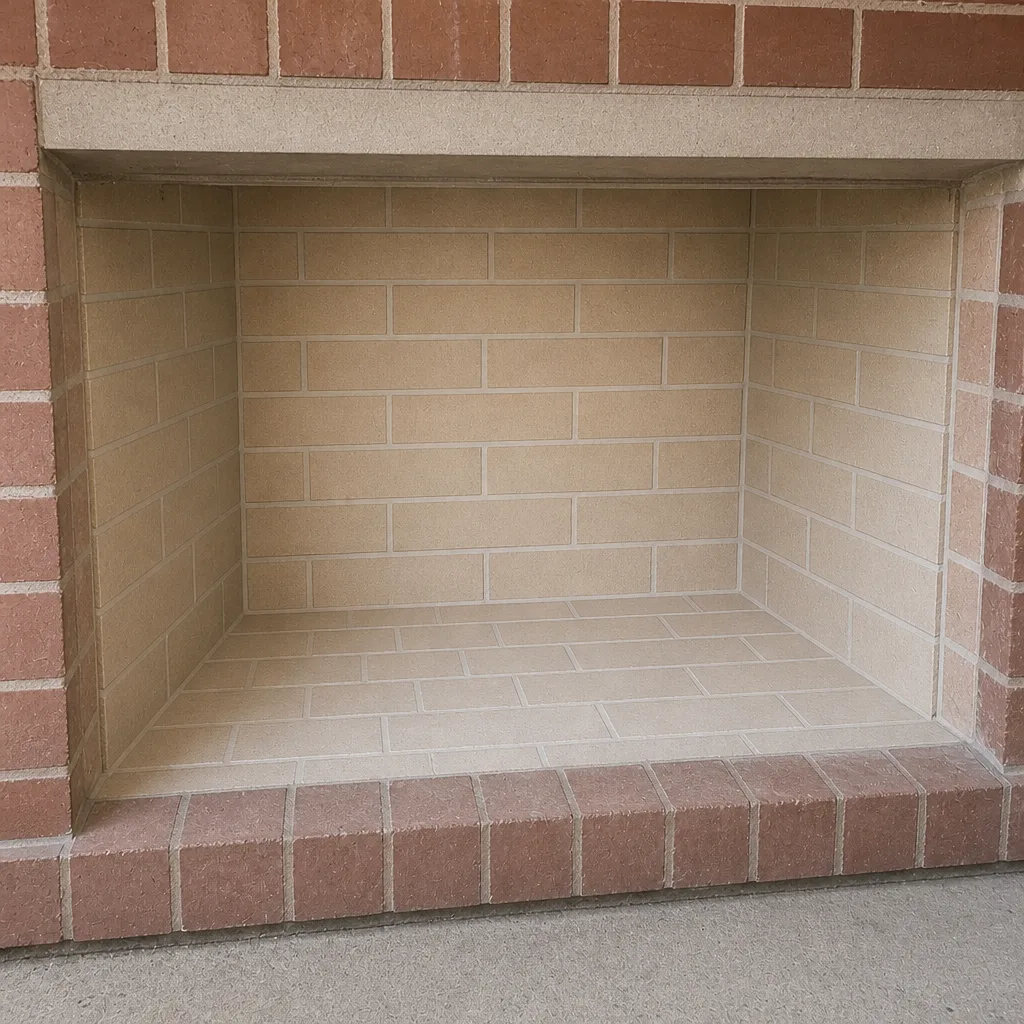
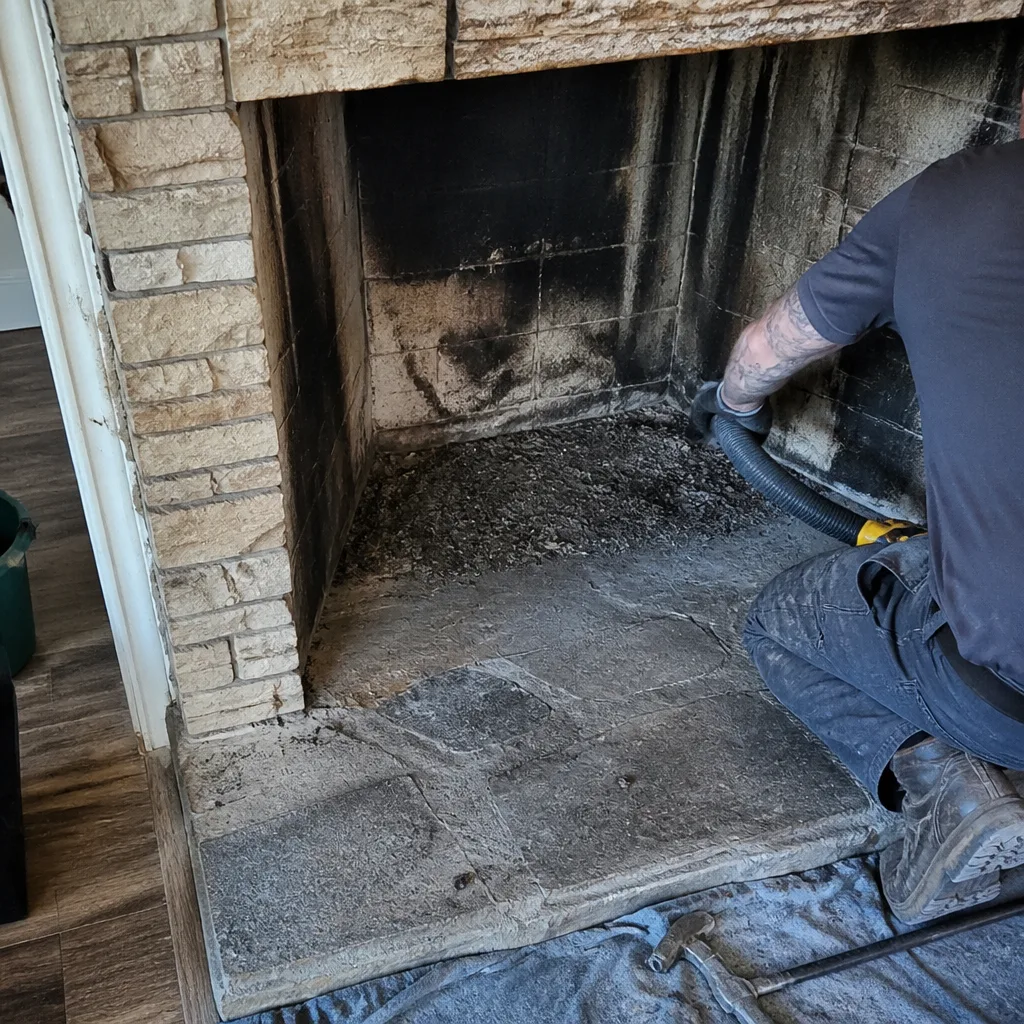
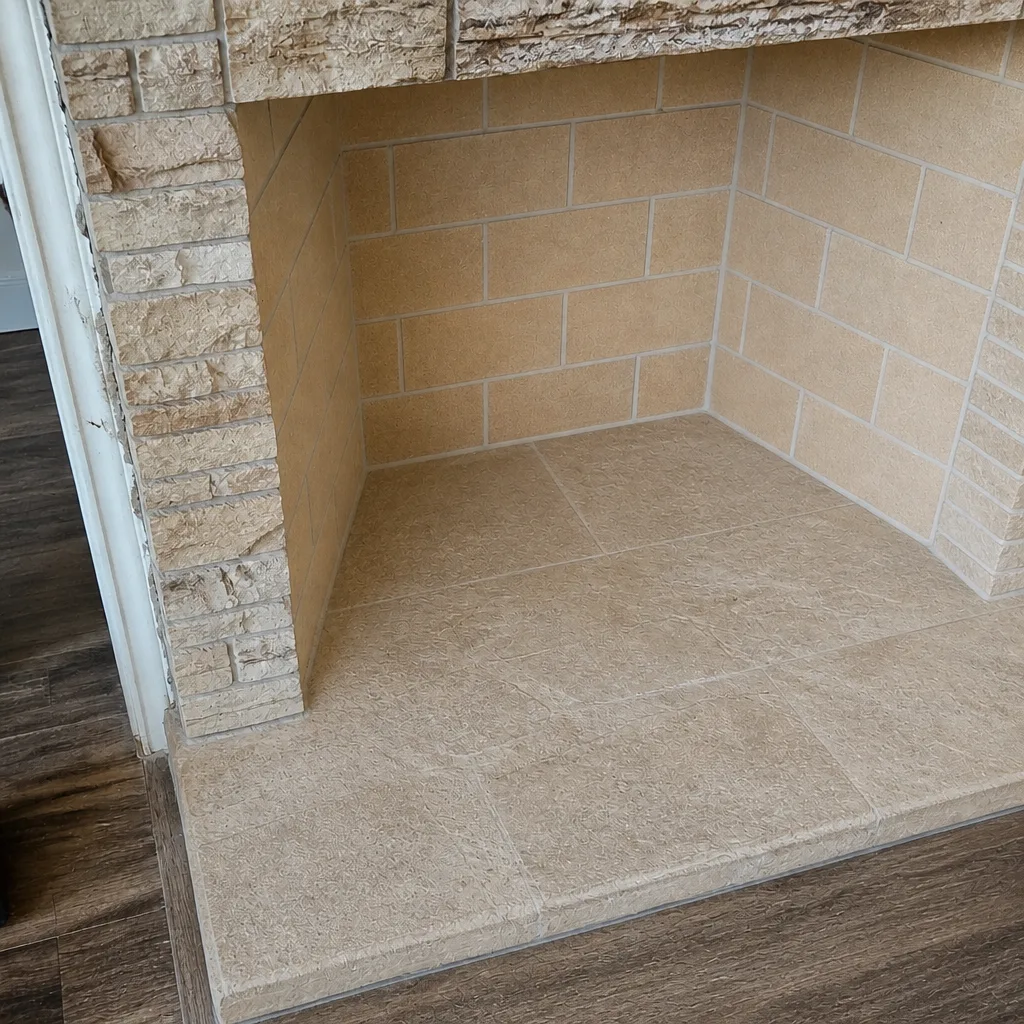
See the difference
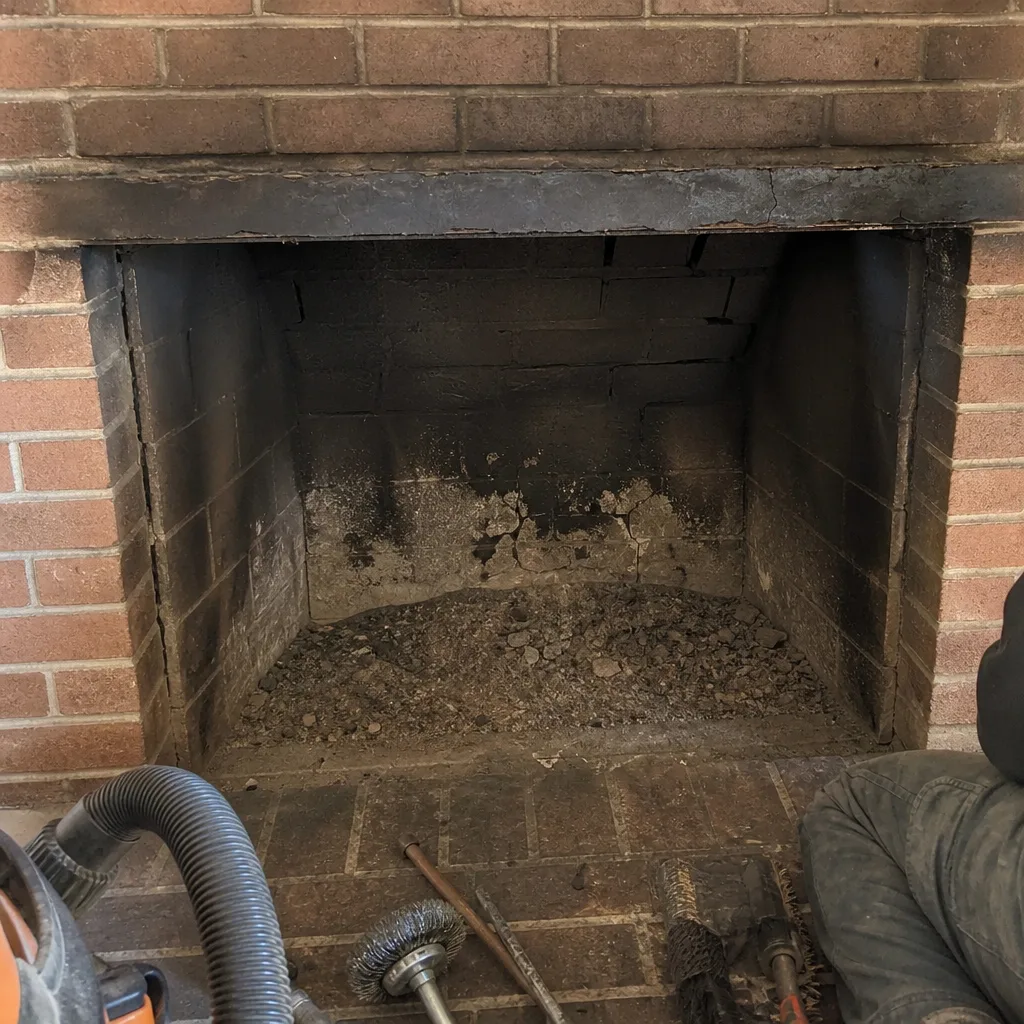 Before
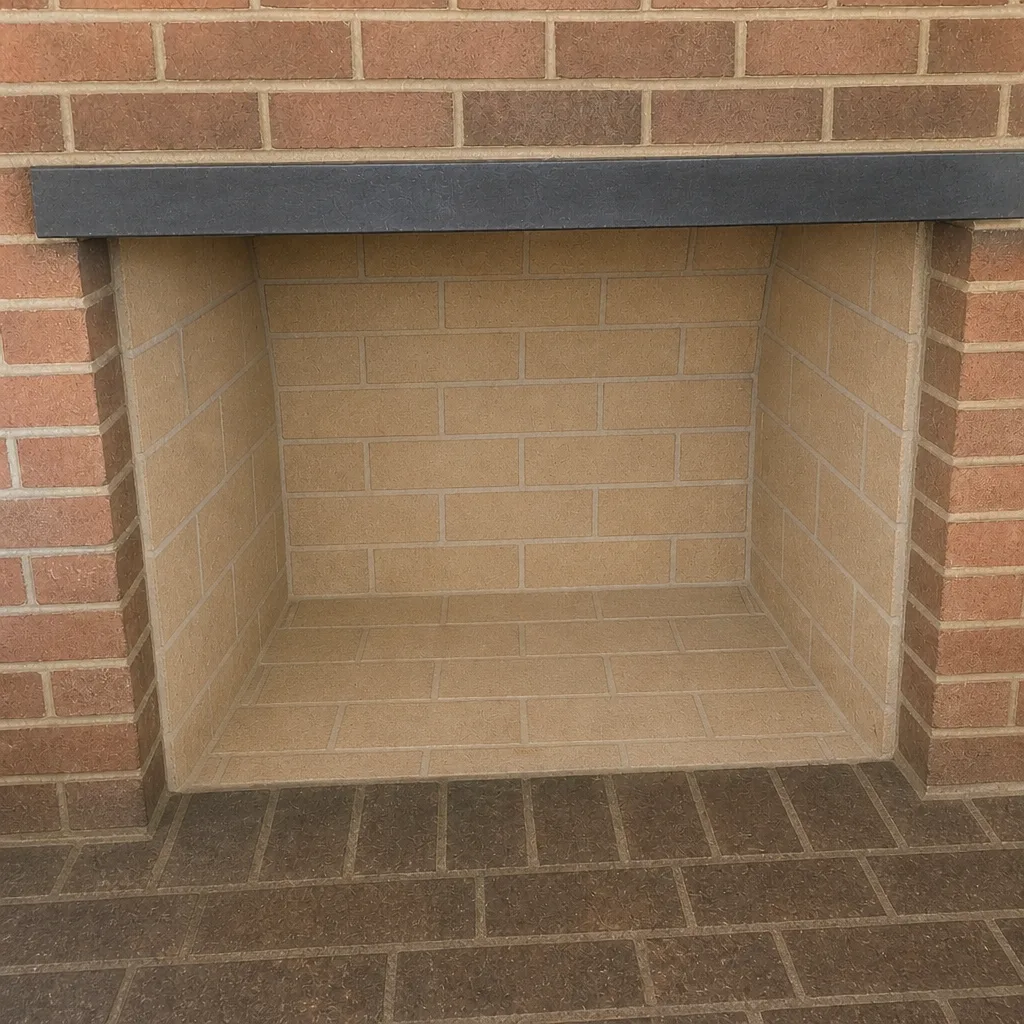 After
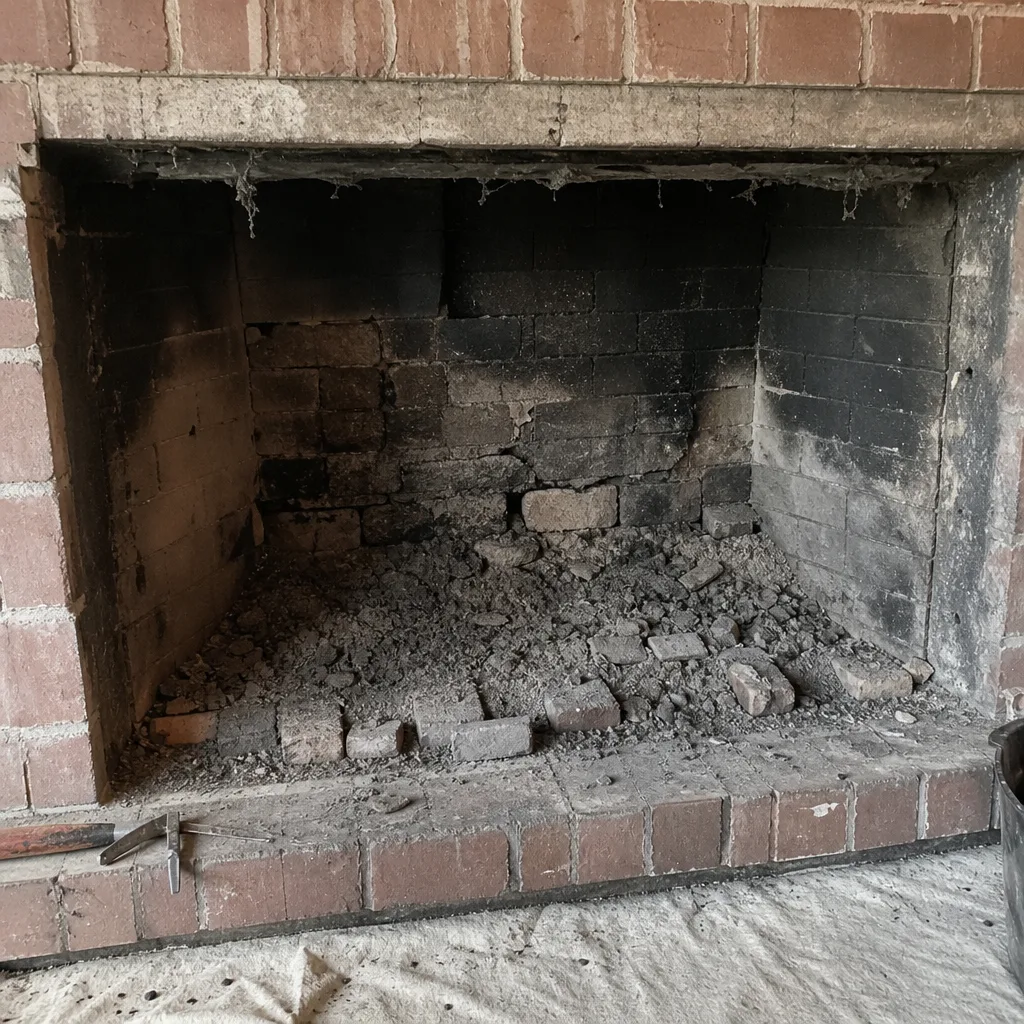 Before
 After
 Before
 After
Common Mistakes to Avoid
- Accepting a quote that doesn’t name products. If a quote says “seal chimney” with no manufacturer, you have no way to know what was installed or whether it was rated for the job.
- Assuming all waterproofing sealers are the same. A concrete sealer and a chimney-rated water repellent behave differently on masonry that faces freeze-thaw cycling, and the wrong one can trap moisture.
- Not asking about liner material grade. A liner has to match the fuel type and flue condition; a generic “stainless liner” may not be the right alloy for your appliance.
- Choosing the general handyman who does everything. Someone who splits time between chimneys and gutters won’t have the same material knowledge or the same supplier network as a chimney specialist.
- Hiring a sweep-only company for what turns out to be a repair. When a problem shows up during the sweep, you want it handled on the same visit, not handed to a second contractor.
- Skipping the spec sheet. A manufacturer spec sheet confirms the product is rated for chimney applications. Ask for it.
When to Call a Professional
Call a chimney professional when you notice spalling or crumbling on the exterior masonry, when the crown looks cracked or separated from the flue, when you see water stains on the ceiling near the chimney chase, or when a sweep reveals a compromised flue. Any of these signals means you’re past the point where a coat of anything from a hardware store is the right answer. In Thornton, a full-service chimney company can handle both the inspection and any structural repair on the same visit, without a second contractor.
Chimney Sweep Thornton offers free estimates in Thornton – call (866) 361-5660. We answer 24/7. Fast dispatch from 7am to 7pm, Sunday through Friday.
Frequently Asked Questions
The names that show up consistently across professional chimney work are HeatShield for flue resurfacing, DuraFlex for stainless liner systems, Gelco and Olympia Chimney for caps and tops, and Famco for top-seal components. These products are specified for chimney applications specifically, not adapted from general masonry lines. Ask a contractor which of these they use; a specialist will have a clear answer.
The most reliable check is to require product names and manufacturers on the written quote, then ask for the manufacturer spec sheet for each item. A professional company will provide both without friction. If you can’t confirm what was installed, you can’t verify it was rated for the job, which is a genuine material risk. Call (866) 361-5660 for a free estimate with material specifics included.
HeatShield is a cast-in-place ceramic resurfacing system used when the flue interior is compromised but a full stainless reline isn’t needed. It’s formulated for chimney interiors and applied over prepared substrate. It is a repair-grade solution, not a cosmetic coating. Whether it’s the right choice for your flue depends on the condition of the interior, which a camera inspection can confirm.
Chimney masonry faces repeated thermal cycling and acidic condensate that a patio or a garden wall doesn’t. A sealer rated for chimney applications is formulated to release vapor while repelling liquid water; a general masonry sealer can trap moisture inside the masonry, which is what causes spalling. In Thornton’s freeze-thaw climate, trapped moisture does damage fast.
A full-scope chimney specialist can do both. When a sweep reveals a crack in the flue or a damaged crown, the repair can be addressed on the same visit or scheduled immediately, rather than referred to a separate masonry contractor. That eliminates the coordination and the risk of a second contractor specifying different materials. Chimney Sweep Thornton handles cleaning, repair, and dryer vent cleaning as a single-scope provider.
An annual inspection is the standard recommendation for a wood-burning fireplace, and it’s the best way to catch material degradation before it becomes structural. The inspection includes a check of the flue liner, crown, cap, and exterior masonry. Scheduling it before the heating season gives any required repair time to be completed properly. Call (866) 361-5660 to schedule.
The Bottom Line
The brand behind your chimney repair isn’t a technicality – it’s the thing that determines whether the work holds for two seasons or much longer. Ask for product names on a written quote, confirm they’re rated for chimney applications, and treat an evasive contractor as a red flag. HeatShield, DuraFlex, Gelco, Olympia Chimney, and Famco are the kind of names that signal professional sourcing and chimney-specific formulation. In Thornton’s freeze-thaw climate, the difference between a proper product and a substitute shows up fast. Chimney Sweep Thornton handles chimney sweeping, repair, and dryer vent cleaning under one roof – call (866) 361-5660 for a free estimate. We answer 24/7. Fast dispatch from 7am to 7pm, Sunday through Friday.
Written by the team at Chimney Sweep Thornton.