
Last updated November 15, 2026
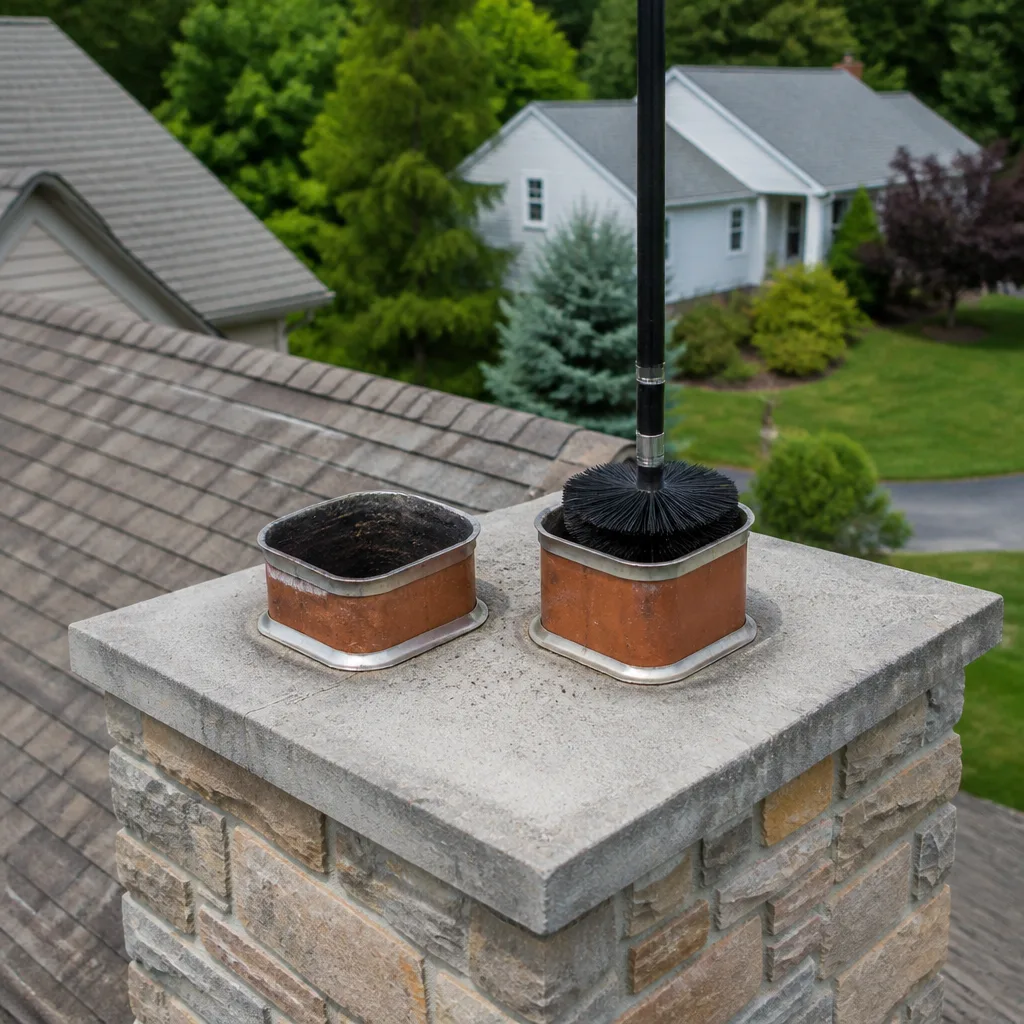 Sweep & inspection
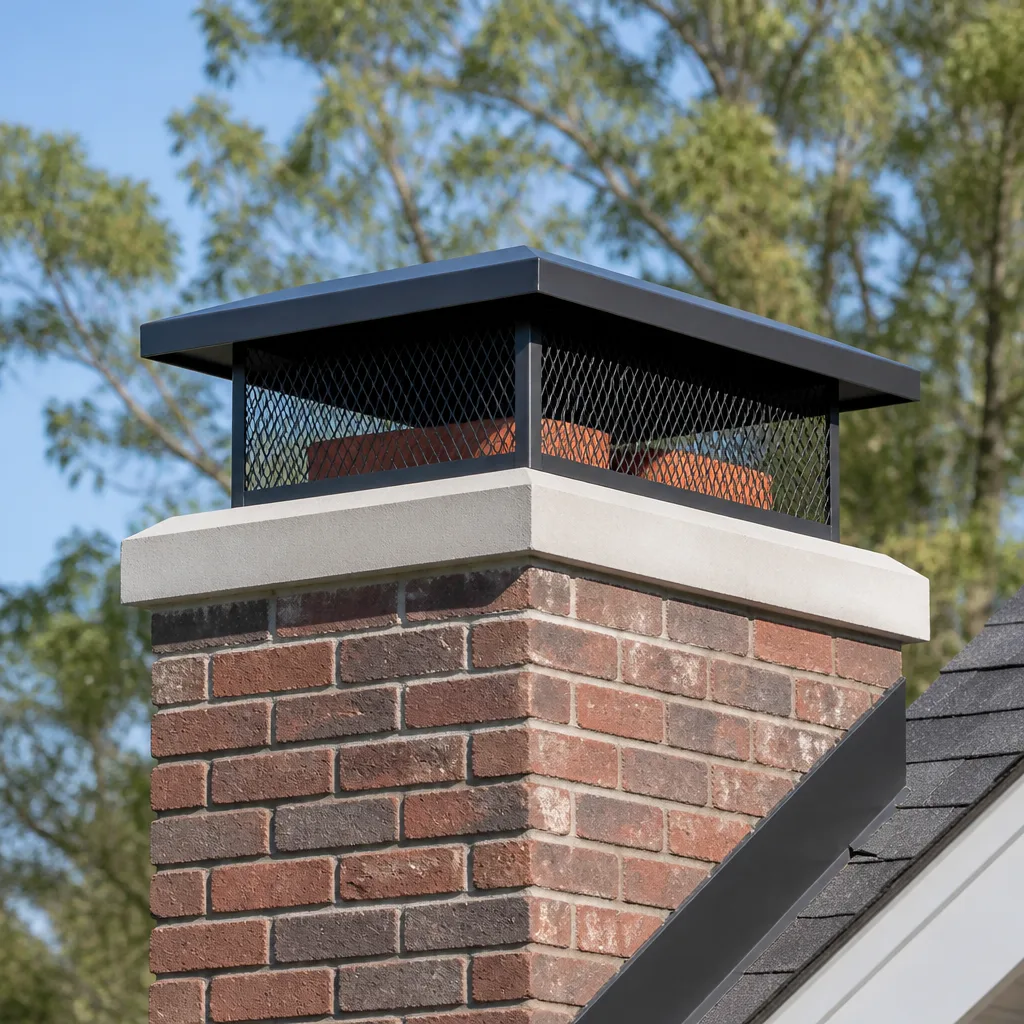 Caps & crowns
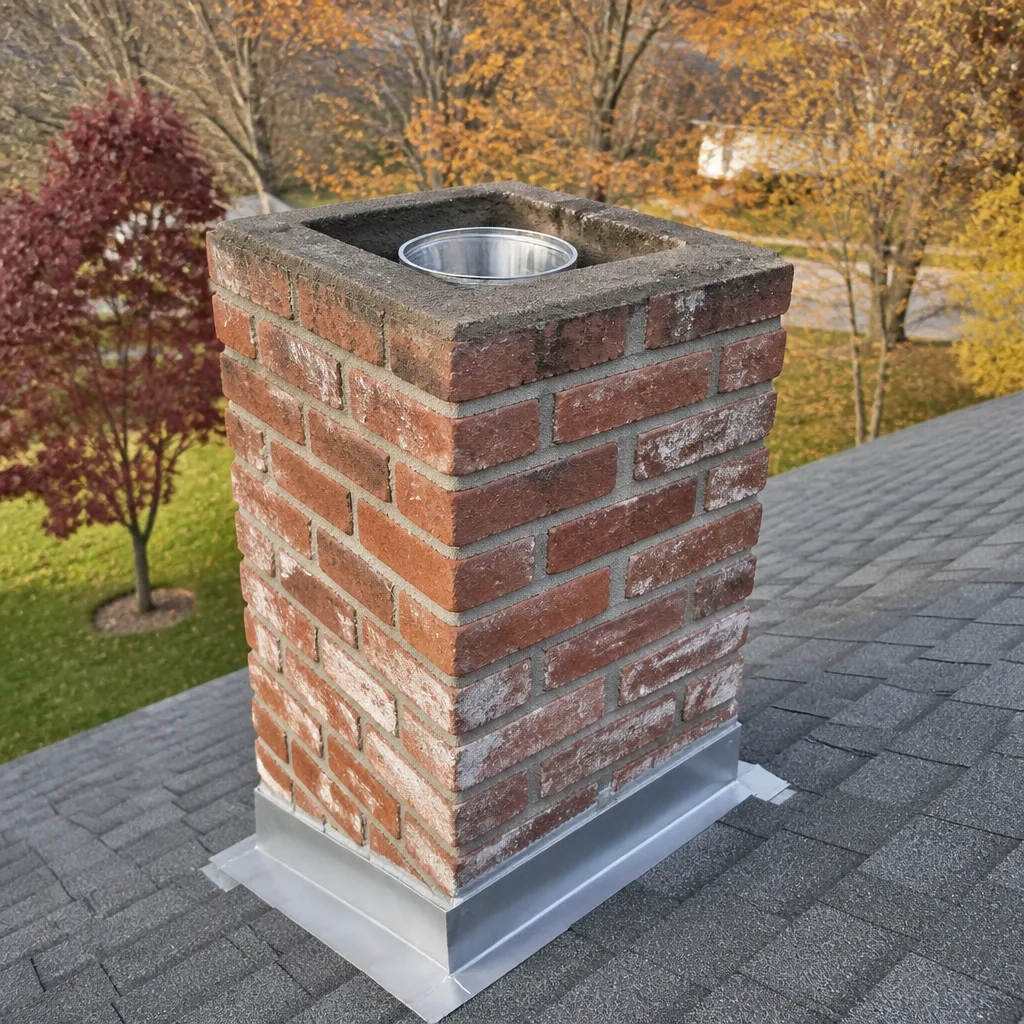 Flue relining
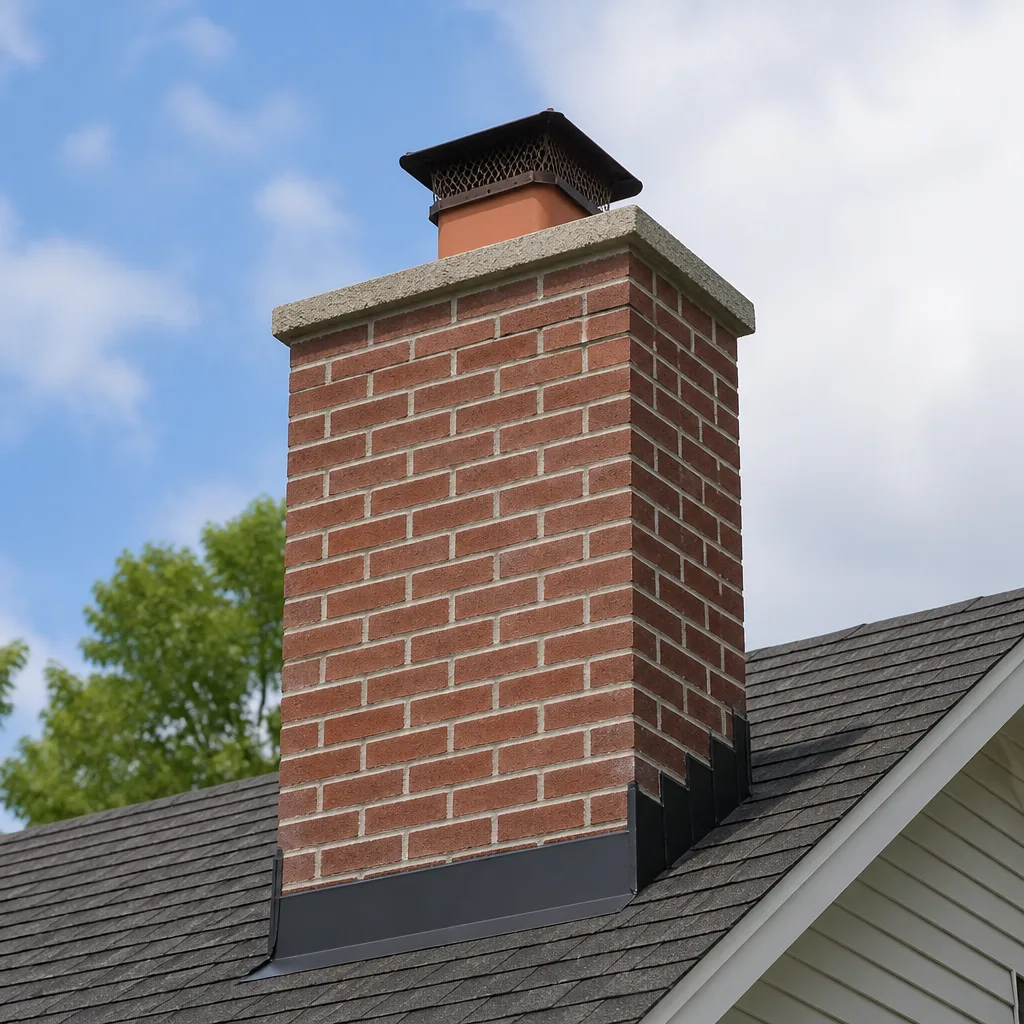 Masonry repair
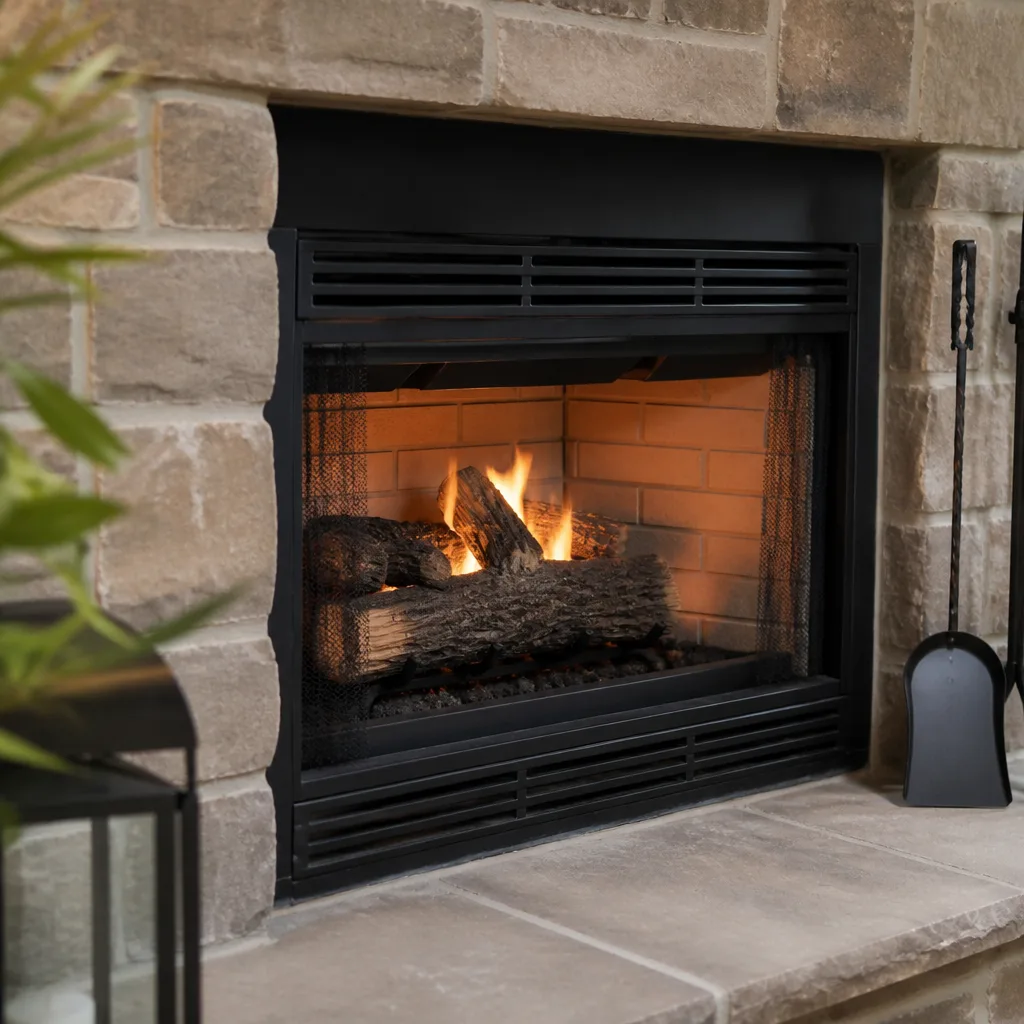 Gas fireplace service
Level 1 sweep and inspection to the NFPA 211 annual standard - flue, crown, cap, and flashing checked and photographed
Chimney sweep logs do not sweep chimneys. They loosen some creosote - which then falls where a brush and vacuum still have to collect it.
How to Hire a Chimney Cleaning Contractor in Thornton: A Step-by-Step Guide
Colorado doesn’t license chimney sweeps. That single fact is why hiring one in Thornton is harder than it looks. You can find a dozen names on a quote comparison site, and the listing won’t tell you which of them holds a real certification and which one bought a brush kit last spring. Price won’t tell you either. A low bid from a crew that misses a stage-two creosote deposit or a cracked liner tile isn’t a deal, it’s a problem you inherit later. This guide gives you the specific questions and documentation to request before anyone climbs on your roof.
Quick Answer
To hire a chimney cleaning contractor in Thornton, verify CSIA certification, confirm the company carries general liability insurance that specifically covers chimney and flue repair work, and ask four scope questions before accepting any quote: cleaning method, inspection level, documentation provided, and what happens if a defect is found. A quote that answers all four in writing, backed by a camera inspection and a written report, is the one worth accepting. Cheap and vague is not a shortlist.
Styles & brands we work with
- Sweep & inspection
- Caps & crowns
- Flue relining
- Masonry repair
- Gas fireplace service
Table of Contents
- What CSIA Certification Actually Verifies
- The Four Scope Questions to Ask Before You Accept Any Quote
- What an Inspection Should Cover at Three Levels
- Red Flags in Chimney Contractor Proposals
- Why Cleaning and Repair Should Live Under One Roof
- How to Verify Insurance for Chimney Work
- Timing Your Sweep Around a Thornton Year
- A Step-by-Step Hiring Process
What CSIA Certification Actually Verifies
CSIA certification from the Chimney Safety Institute of America verifies that an individual technician has passed a written exam on chimney and venting systems, codes, and inspection standards, and that they maintain continuing education and adhere to a code of ethics. It’s an individual credential, held by a person, not a sticker a company buys. That matters because a company can advertise certification while sending a helper who has none.
Ask which technicians on the job hold certification, not whether the company is “certified.” The follow-up question is simple: who is actually coming to my house?
A general contractor license covers a completely different scope. It tells you someone is permitted to build and remodel. It says nothing about creosote stages, flue sizing, liner materials, or how to read a camera inspection. Chimney work sits at the intersection of fire safety, venting science, and masonry. A remodeler with a license and a ladder is not a chimney specialist, and the gap doesn’t show up on a quote sheet.
Search for a chimney sweep in Thornton and you’ll notice most listings don’t state certification status at all. That silence is your first filter. Ask directly.
- CSIA certification is held by individuals. Ask which technician on the job is certified.
- A contractor license is a different thing. It doesn’t cover chimney or venting knowledge.
- Certification includes ethics standards. That’s the part that protects you when a technician could easily upsell unnecessary work.
- It requires continuing education. A certified tech keeps current on code and materials.
One more point: certification also means the technician has been trained in inspection protocol, which is the part of the visit that actually protects your home. Cleaning without inspection is just sweeping. Inspection is where problems surface.
The Four Scope Questions to Ask Before You Accept Any Quote
A quote that answers four specific questions is worth more than three quotes that answer none of them. Here’s what to ask, in plain terms.
1. What cleaning method do you use?
Professional chimney cleaning uses rotary brushes, drop cloths, and vacuums with HEPA filtration to contain dust. Ask what they bring and how they protect your floors and furniture. A crew that shows up with a hand brush and no containment is doing a different job than the one you’re paying for.
2. What level of inspection is included?
The National Fire Protection Association defines three inspection levels. Ask which one is included and what would trigger the next level. A standard sweep usually includes a Level 1 visual inspection. If the technician finds evidence of a problem, a Level 2 camera inspection is the next step. It should be named in the quote.
3. What documentation do you provide?
You should receive a written inspection report. Ask whether before and after camera footage is included. A company that photographs the flue interior before and after cleaning gives you something you can actually verify. That’s your protection against being told you need a liner when you don’t.
4. What happens if you find a defect?
This is where full-service and cleaning-only companies split. Ask whether the company can repair a cracked crown, a failing liner, or a damaged flue on the spot, or whether they’ll hand you a referral to a separate masonry contractor. The answer tells you how many phone calls are ahead of you.
Write those four answers down for each company you call. Compare them side by side. The company with clear answers is usually not the cheapest quote, and that’s the point.
What an Inspection Should Cover at Three Levels
Inspection levels are a reference framework shared across the industry, and knowing them keeps you from paying for a camera scan you didn’t need or accepting a visual check that missed something serious.
- Level 1 covers readily accessible portions of the chimney and venting system, done during a routine sweep or when a change of fuel or appliance has not occurred. This is the standard annual inspection.
- Level 2 includes everything in Level 1 plus accessible attic, crawlspace, and the flue interior by camera. It’s required after a chimney fire, after a change in the appliance, or when the property changes hands.
- Level 3 is diagnostic and may involve removing parts of the chimney structure to access concealed areas.
If you’ve just bought a home in Thornton, ask for a Level 2 inspection. A seller’s disclosure won’t tell you about a cracked tile inside the flue, and a visual glance from the firebox won’t either. When you’re moving into a house in neighborhoods like Eastlake or Northglenn-adjacent Thornton, the chimney’s history is a blank slate. A camera inspection is the only way to fill it in.
The material condition of your flue matters here too. Older masonry chimneys in this region were built with clay tile liners, and those tiles crack with heat cycling. A camera inspection shows you the cracks. A visual inspection from below often doesn’t.
If you have a manufactured or prefab fireplace, ask whether the technician is trained on factory-built systems specifically. They require different inspection judgment than masonry. Certification programs cover both, but not every sweep works on both.
Red Flags in Chimney Contractor Proposals
The most common failure in chimney hiring isn’t a scam in the obvious sense. It’s a proposal that’s technically an offer but doesn’t commit to anything specific. Watch for these.
- Vague line items. “Chimney cleaning” as a single line with no inspection level, no documentation, and no scope detail is a blank check. You can’t verify whether the work was done.
- No written inspection report. Any contractor who cleans your chimney and hands you a verbal “looks good” has left you without a record. The report is the record.
- Refusal to provide before and after camera footage. This is the most telling red flag. A certified technician with a camera has the footage. A company that won’t share it is either not using a camera or doesn’t want you to see what it shows.
- Pressure to reline on the first visit with no evidence. Relining is a real repair for a real problem. It’s not a first-visit default. Ask to see the footage before agreeing.
- No stated repair capability. If the company only cleans and hands off repairs to a subcontractor, you’re paying two contractors for one conversation.
- Quote by phone without questions about your system. A legitimate estimate needs to know whether you have a masonry chimney, a gas insert, or a prefab unit. If they don’t ask, they don’t know.
- No certificate of insurance before the crew arrives. Ask for it before scheduling. It’s a standard request and a licensed, insured company will not hesitate.
None of these red flags require a confrontation. You simply decline and call the next company.
Why Cleaning and Repair Should Live Under One Roof
Most chimney problems are found during the sweep, not after it. That timing matters more than homeowners expect. If your technician finds a deteriorated flue interior on a Tuesday, a cleaning-only company stops the job and hands you a phone number. A company with repair capability moves straight to the fix, and the inspection evidence is fresh in front of you.
There’s a structural argument for this, not just a convenience one. Cleaning-only businesses make their money on volume of sweeps. Repair-only masons make theirs on masonry projects. A company that does both has reason to be accurate in both directions: to recommend relining when it’s warranted and to explain when a repair can safely wait. In our experience, the hardest part of the job is telling a homeowner their flue is fine, and a full-scope company can do that with confidence because it isn’t losing a project.
Full-scope also means the repair is specified by material, not by whatever is available. We work with DuraFlex liner systems, HeatShield resurfacing for compromised flue interiors, and products from Gelco and Olympia Chimney. Those are the brands certified chimney specialists use because they’re manufactured for the venting environment they’re installed in. HeatShield resurfacing, used correctly, restores a deteriorating flue interior rather than patching over it. That choice belongs with a company that installs and inspects the same product line.
For homeowners, the question to ask is straightforward: if the sweep uncovers a problem, who fixes it? If the answer is “we do,” you’ve cut one phone call, one scheduling delay, and one point of blame out of the process.
How to Verify Insurance for Chimney Work
General liability insurance alone is not sufficient for a chimney contractor. Here’s why. General liability covers property damage and third-party injury. Chimney work involves roof access, working above a live flue, and sometimes installing a liner that costs more than the cleaning did. Ask what the policy covers and whether chimney and venting repair work is included in the description of operations.
Ask for the certificate of insurance before the visit and check three things: the named insured matches the company on the quote, the coverage includes general liability, and the effective dates are current. If the company carries workers’ compensation, ask for that certificate too. A technician on your roof who is injured and not covered by workers’ comp becomes a claim on your homeowners policy.
Then ask about the scope of the coverage. A policy that covers chimney sweeping might not cover liner installation or masonry repair. Those are different operations with different risk profiles. This is the question most homeowners never think to ask, and it’s the one that determines whether a failed liner repair is the company’s problem or yours.
Any legitimate company should be able to email the certificate in minutes. A hesitation here is a decision in itself. We’re insured for the work we do and we’ll show you the paperwork. It’s part of the job.
Timing Your Sweep Around a Thornton Year
Thornton’s climate is dry, with hot summers and cold winters, and that cycle does specific things to a chimney. Wood-burning fireplaces see the heaviest use from October through March. Creosote accumulates fastest in the shoulder seasons, when homeowners burn cooler, smoldering fires on chilly evenings. Cooler, slower fires deposit more creosote than a hot burn does.
That’s why the best time for a cleaning is before the first burn, not during the peak of the season. Late summer and early fall are when a sweep finds the damage winter hasn’t yet tested, and when repair work found during the inspection can be completed before you need the fireplace. If you’re cleaning for the spring and it’s now July, you’re early, and that’s fine. But by the time the first cold snap arrives in Thornton, the schedule gets tighter and a problem discovered in November has less time to be fixed properly.
The dry air also matters for the crown and masonry. Freeze-thaw cycles crack mortar and crowns. Those cracks let water into the flue structure, and water inside a flue is a bigger long-term problem than creosote. A sweep that happens before winter gives you time to seal and repair.
If you have a gas insert and use it year-round, the annual inspection schedule doesn’t change. Gas appliances have their own venting requirements, and an annual check is still the standard.
- Best cleaning window: late summer to early fall, before regular burning begins.
- Why: you find damage before winter and have time to repair it.
- Gas inserts: annual inspection regardless of season.
- After a chimney fire: a Level 2 inspection immediately, regardless of time of year.
A Step-by-Step Hiring Process
Here’s how to run the search in order, without wasting a morning on it.
- Confirm the certification question first. Ask which technician is CSIA-certified. If the answer is vague, move on. You haven’t invested anything yet.
- Ask the four scope questions. Cleaning method, inspection level, documentation, and defect handling. Get answers in writing or note them down.
- Request the certificate of insurance. Confirm the named insured and the coverage dates.
- Request a written estimate. The estimate should describe the scope, name the inspection level, and state what documentation is provided.
- Confirm the estimate is free. A written estimate is free here. Prices are set per job by the estimate itself, not by a phone quote.
- Review the report after the visit. Check that you received the written inspection report and the camera footage, before and after. That’s the deliverable you paid for.
- If a defect is found, review the evidence before authorizing the repair. Look at the footage. Ask what happens if you defer. Get the repair quoted in writing.
For a company that performs the sweep, the inspection, and any repair in the same visit, this process compresses. You get the report, you see the footage, and if something turns up, you decide on the spot rather than starting the search again.
One last note on scope: ask about dryer vent cleaning if your dryer is venting through the roof or a long wall run. That’s a separate safety issue from the chimney, and it’s frequently ignored because a chimney-only sweep doesn’t touch it. The same company that cleans your dryer vent cleaning is also the one with an eye on your appliance venting as a whole. It’s one conversation instead of two.
Common Mistakes to Avoid
- Hiring on price alone. A low quote from a crew that misses a stage-two creosote deposit or a cracked tile isn’t a deal. It’s an unaddressed fire risk you paid to have overlooked. Price is the last filter, not the first.
- Accepting an estimate by phone. A real estimate requires knowing what kind of chimney you have. If the company didn’t ask whether it’s masonry, a gas insert, or a prefab, they don’t know what to quote.
- Skipping the certificate of insurance. Most homeowners never ask, and it’s the one document that determines who pays if a liner repair goes wrong. Ask for it before scheduling.
- Accepting a verbal inspection report. “The chimney looks fine” is not a report. You need a written inspection and, ideally, before and after camera footage you can look at yourself.
- Assuming certification is a company thing. CSIA certification belongs to individuals. Ask which technician is actually showing up.
- Waiting until the fire is lit. In Thornton, scheduling a sweep before the burn season means a defect discovered in September has a repair window. Discovered in November, it’s a scramble.
- Treating a cleaning as separate from repair. If the sweep finds a problem, you want the same company to solve it. Splitting the job across two contractors doubles the scheduling and the blame.
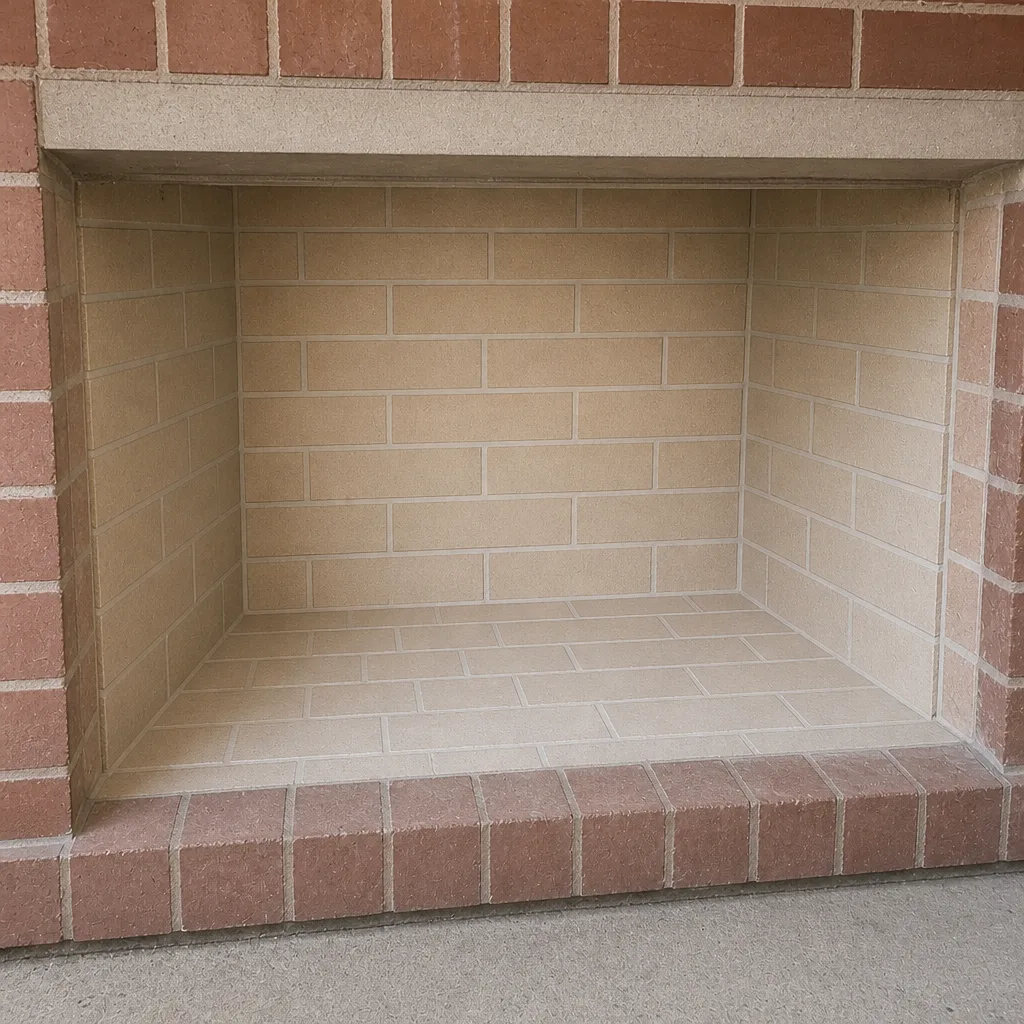
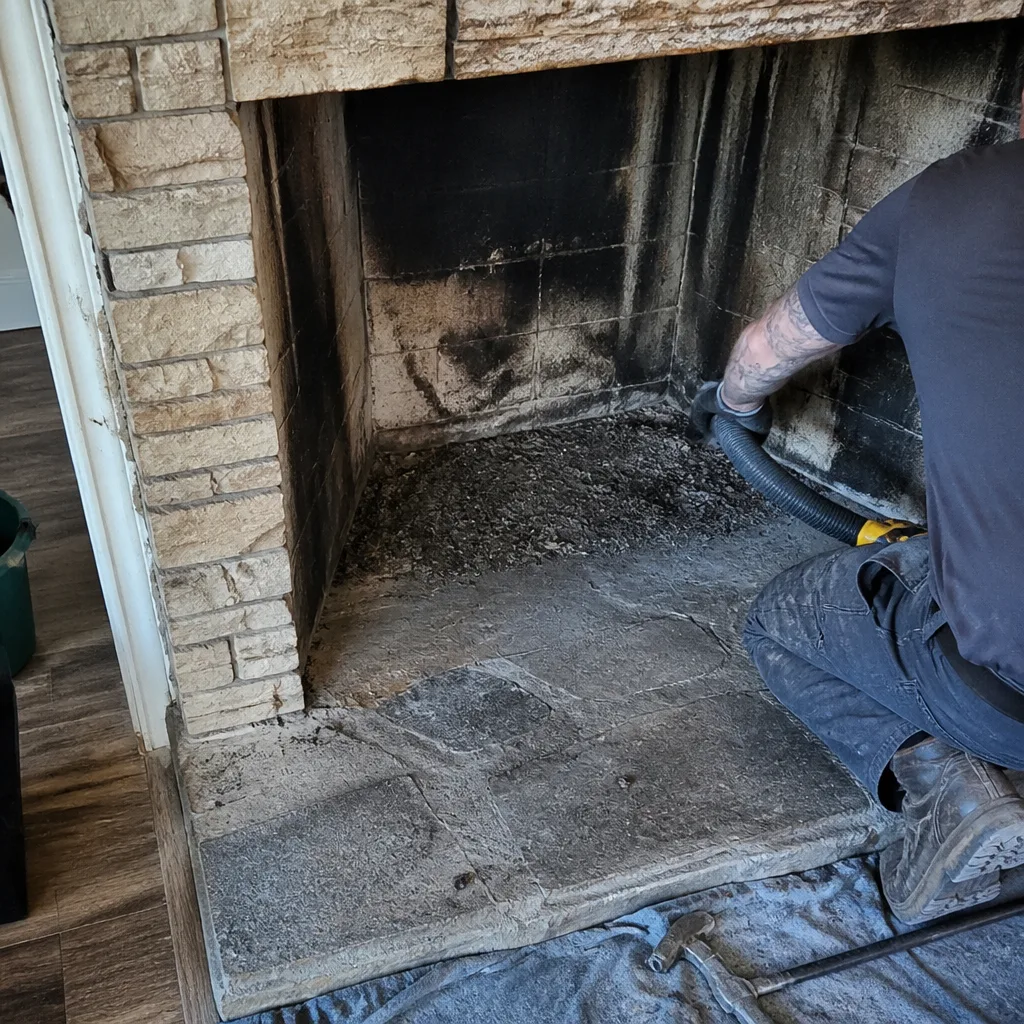
See the difference
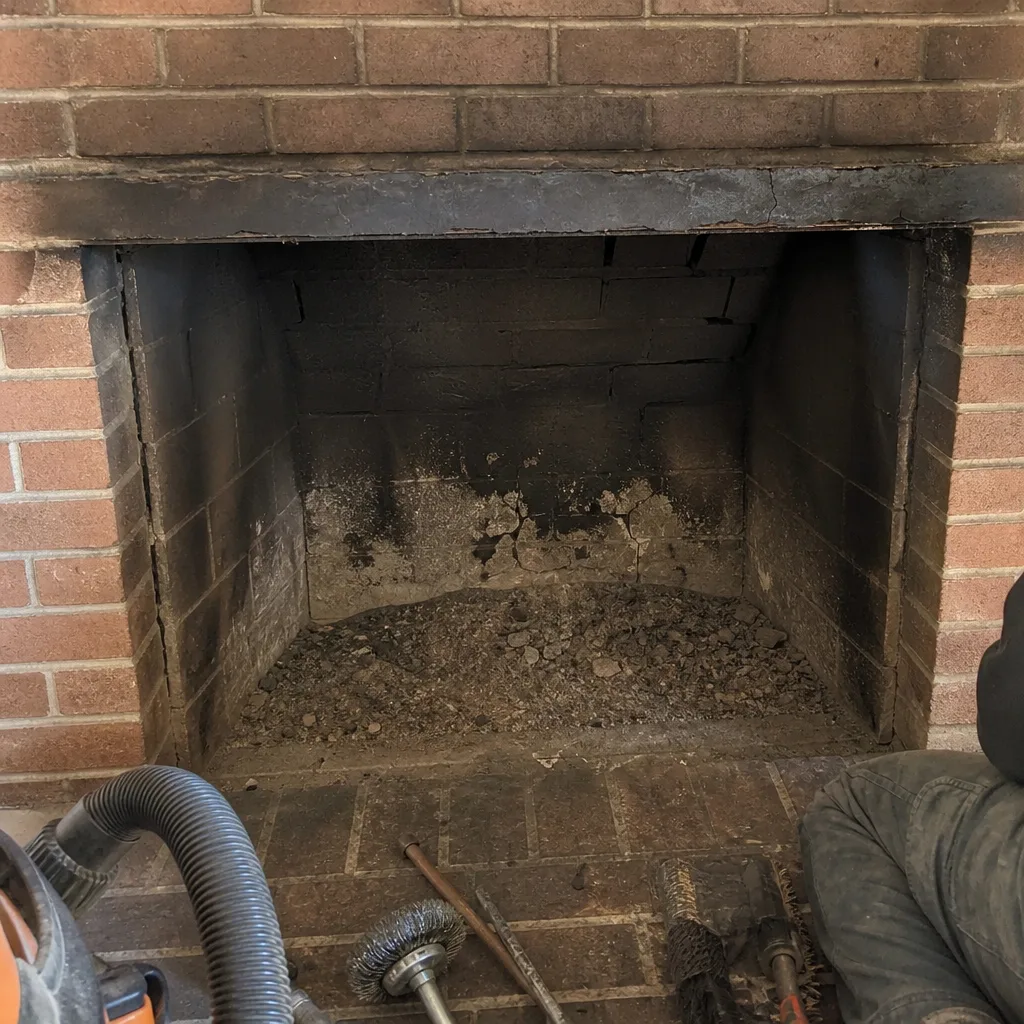 Before
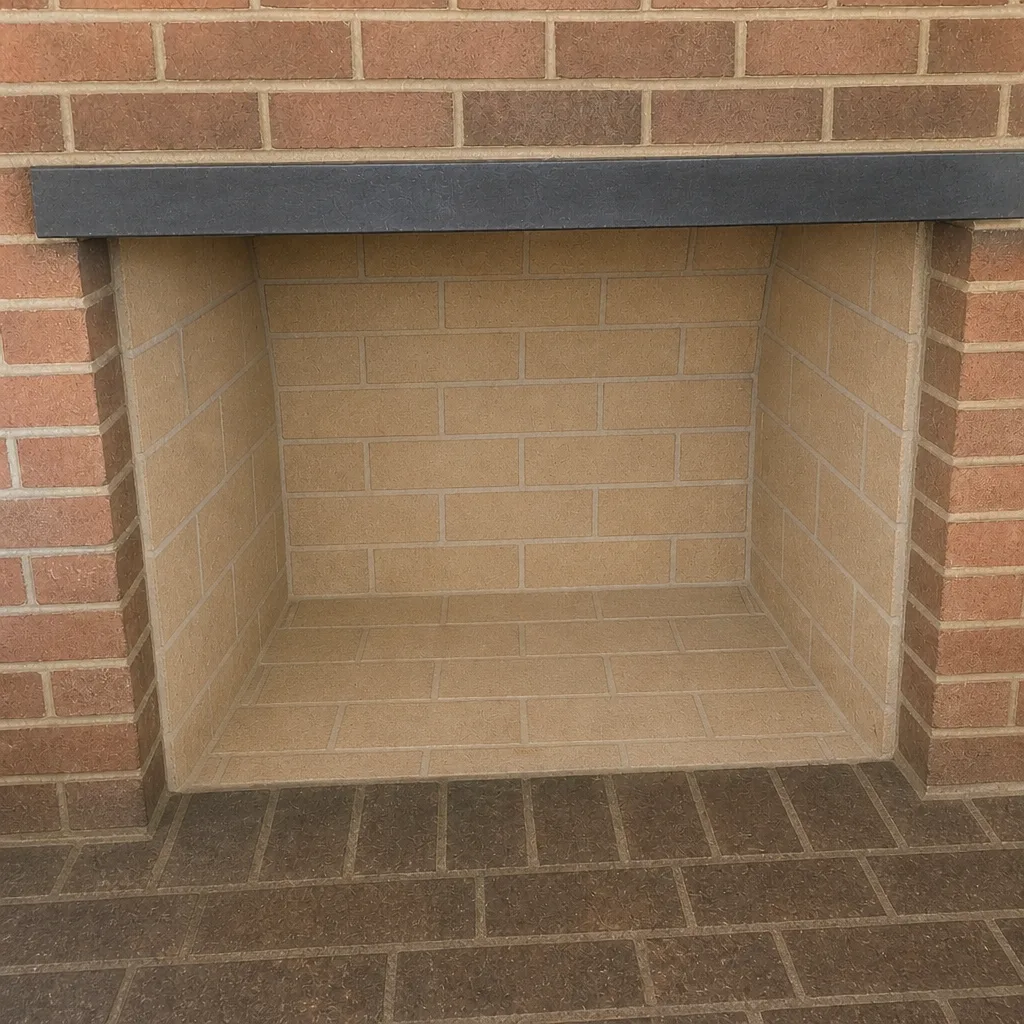 After
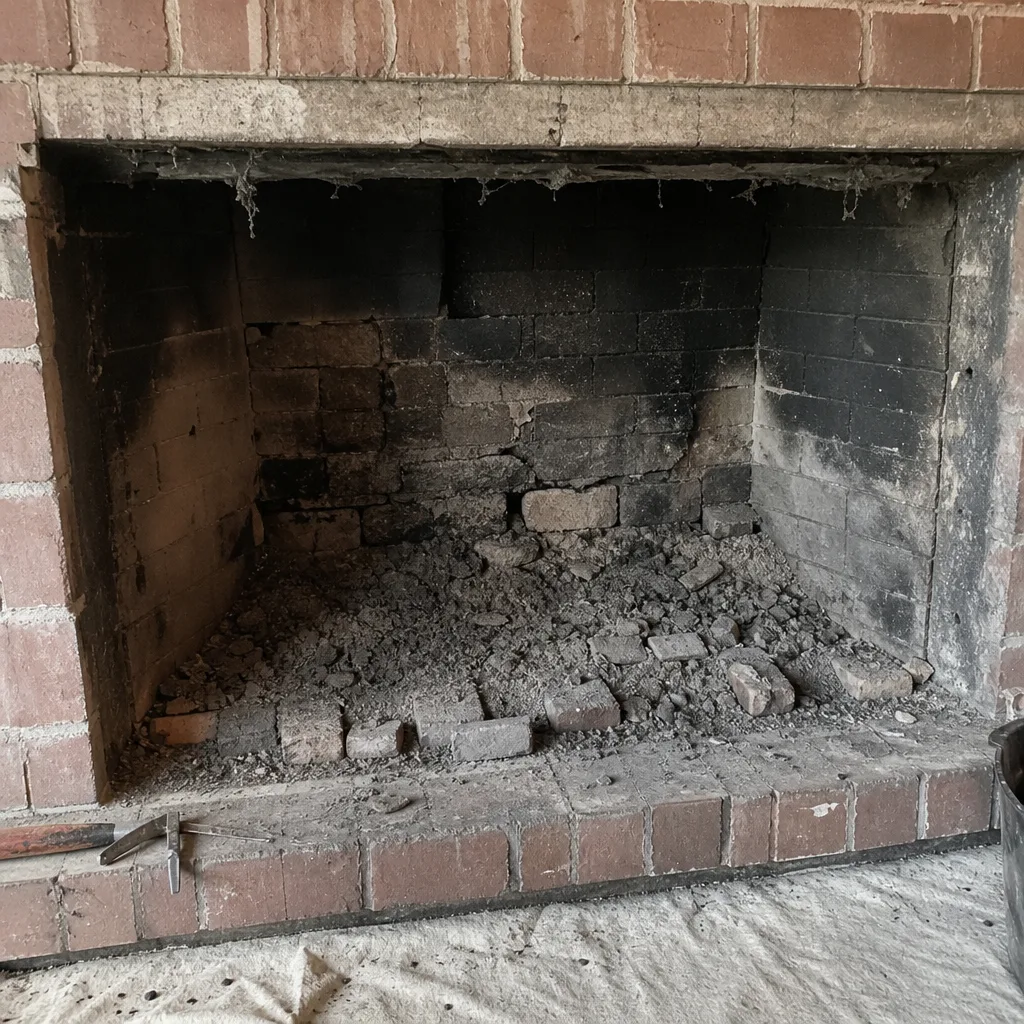 Before
 After
 Before
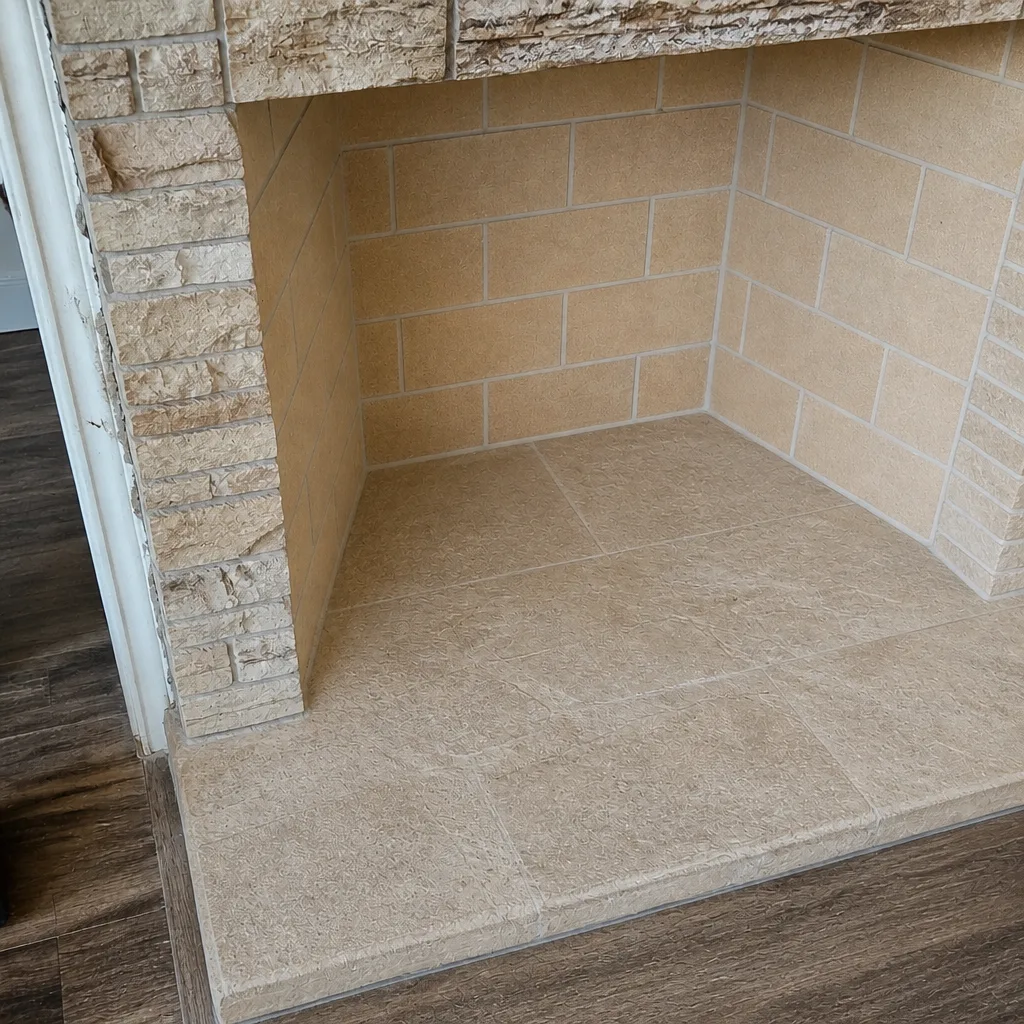 After
When to Call a Professional
Some situations call for a certified technician and aren’t worth postponing. If you’ve just moved into a home in Thornton and don’t know the chimney’s history, get a Level 2 inspection. If you smelled a strong, hot, or unusual odor during a burn, or noticed discolored metal or a warped damper, stop using the fireplace and have it inspected. If your smoke drafts poorly or comes back into the room, that’s a venting issue, not a mood problem. If your dryer takes two cycles to dry a load, the vent run may be restricted. And if it’s simply been more than a year since the last sweep, the annual schedule has lapsed.
Chimney Sweep Thornton offers free estimates in Thornton. Call (866) 361-5660. We answer 24/7, with fast dispatch from 7am to 7pm, Sunday through Friday.
Frequently Asked Questions
Ask whether the specific technician coming to your home holds CSIA certification, and ask to see the certification listed by name. CSIA certification is an individual credential and requires passing an exam, maintaining education, and following a code of ethics. A company that says “we’re certified” without naming who is holding the credential is giving you a marketing answer, not proof. Call (866) 361-5660 for an exact quote; estimates are free.
A Level 1 inspection covers readily accessible portions of the chimney and venting system during a routine sweep. A Level 2 adds a camera inspection of the flue interior and access to attic and crawlspace areas. A Level 2 is standard after a home sale, a chimney fire, or a change in appliance. If you’ve just bought a house in Thornton, ask for Level 2; it’s the only way to see what’s happening inside the flue. Call (866) 361-5660 for an exact quote; estimates are free.
Yes. A written report is the record of what the technician found, and it’s what lets you compare findings over time or document the condition of the chimney if you sell the home. Ask whether before and after camera footage is included. A contractor who won’t put findings in writing or share the footage is leaving you with nothing to verify. Call (866) 361-5660 for an exact quote; estimates are free.
Not necessarily. General liability may cover property damage but not liner installation or masonry repair if those operations aren’t included in the policy’s description. Ask for the certificate and confirm the described operations and effective dates. Also ask whether workers’ comp is carried; a technician injured on your roof without coverage becomes a claim on your homeowners policy. Call (866) 361-5660 for an exact quote; estimates are free.
The best-case scenario is that the company doing the sweep is also set up to repair. A full-scope provider can identify a deteriorated flue, a cracked crown, or a failing liner and specify the repair without a second contractor. When it comes to liners and resurfacing, we use DuraFlex liner systems and HeatShield resurfacing, specified for the flue rather than applied generically. Call (866) 361-5660 for an exact quote; estimates are free.
Yes. Late summer and early fall are the practical window, because damage found during the inspection can be repaired before the burning season. Creosote accumulates most heavily during cool, smoldering shoulder-season fires, so a sweep before the first burn catches what the summer laid down. Call (866) 361-5660 for an exact quote; estimates are free.
Start with certification, then scope, then insurance, and price last. Ask which technician holds CSIA certification, what cleaning method and inspection level are included, whether a written report and camera footage are provided, and whether the company can repair what it finds. A company that answers all four without hedging is worth calling. Chimney Sweep Thornton is a Chimney Sweep Thornton specialist serving homeowners across Thornton. Call (866) 361-5660 for an exact quote; estimates are free.
The Bottom Line
Hiring a chimney contractor in Thornton is a verification problem, not a price problem. Certification, insurance, and four scope questions tell you more than any quote sheet. Look for a company that cleans, inspects, and repairs in one visit, backs the inspection with written documentation and camera footage, and can specify a repair by material rather than by whatever was cheapest to source. Our technicians have up to 10 years of experience with chimneys and venting, and we’d rather show you the evidence than ask you to take our word for it. Get a free estimate before the season turns.
Call Chimney Sweep Thornton at (866) 361-5660 for a free estimate. We answer 24/7. Fast dispatch from 7am to 7pm, Sunday through Friday.
Written by the team at Chimney Sweep Thornton.