
Last updated November 15, 2026
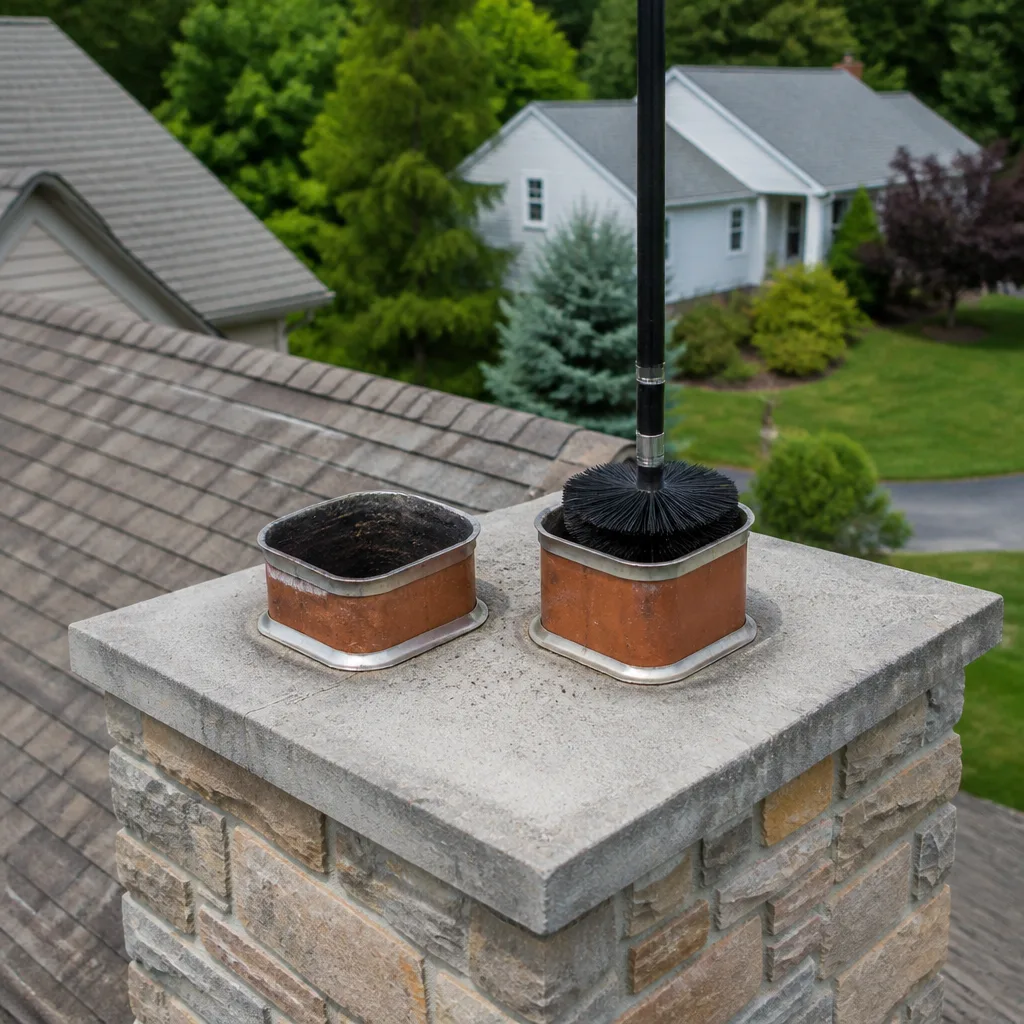 Sweep & inspection
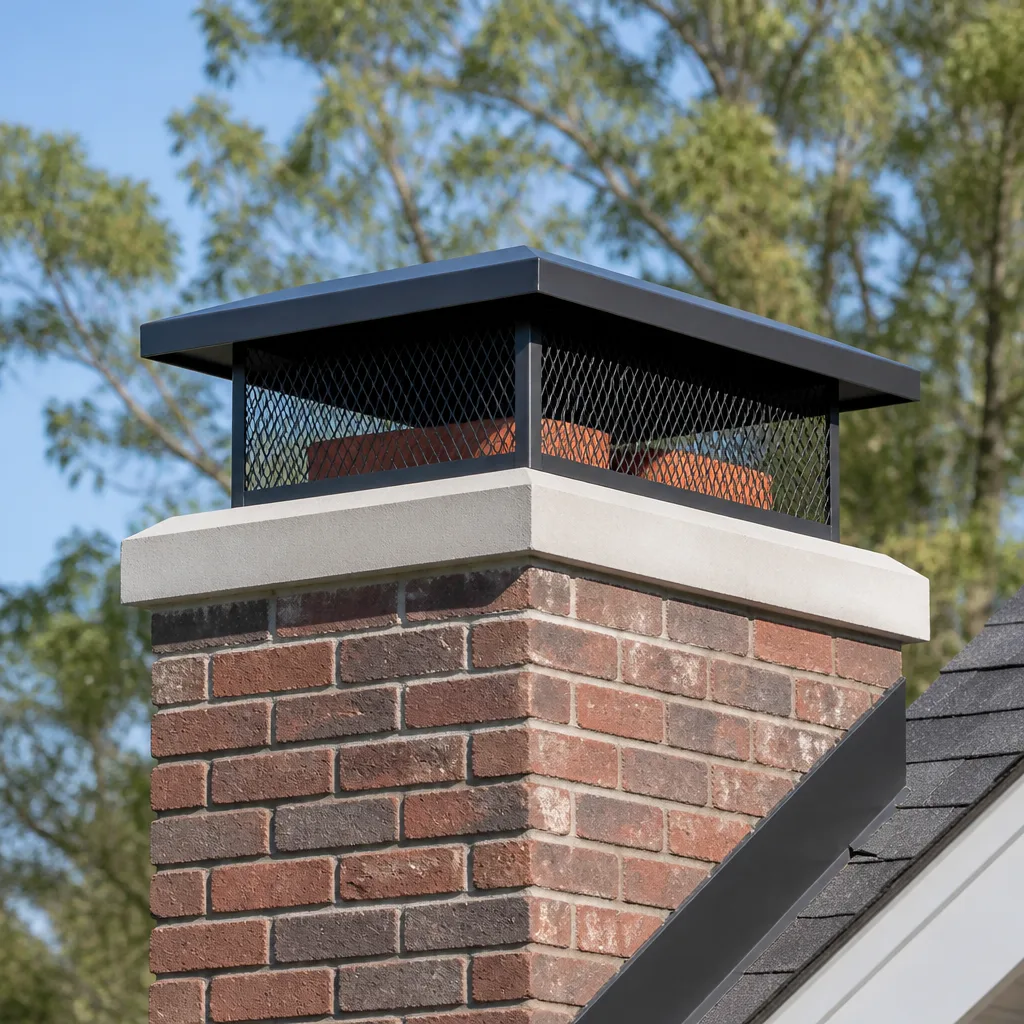 Caps & crowns
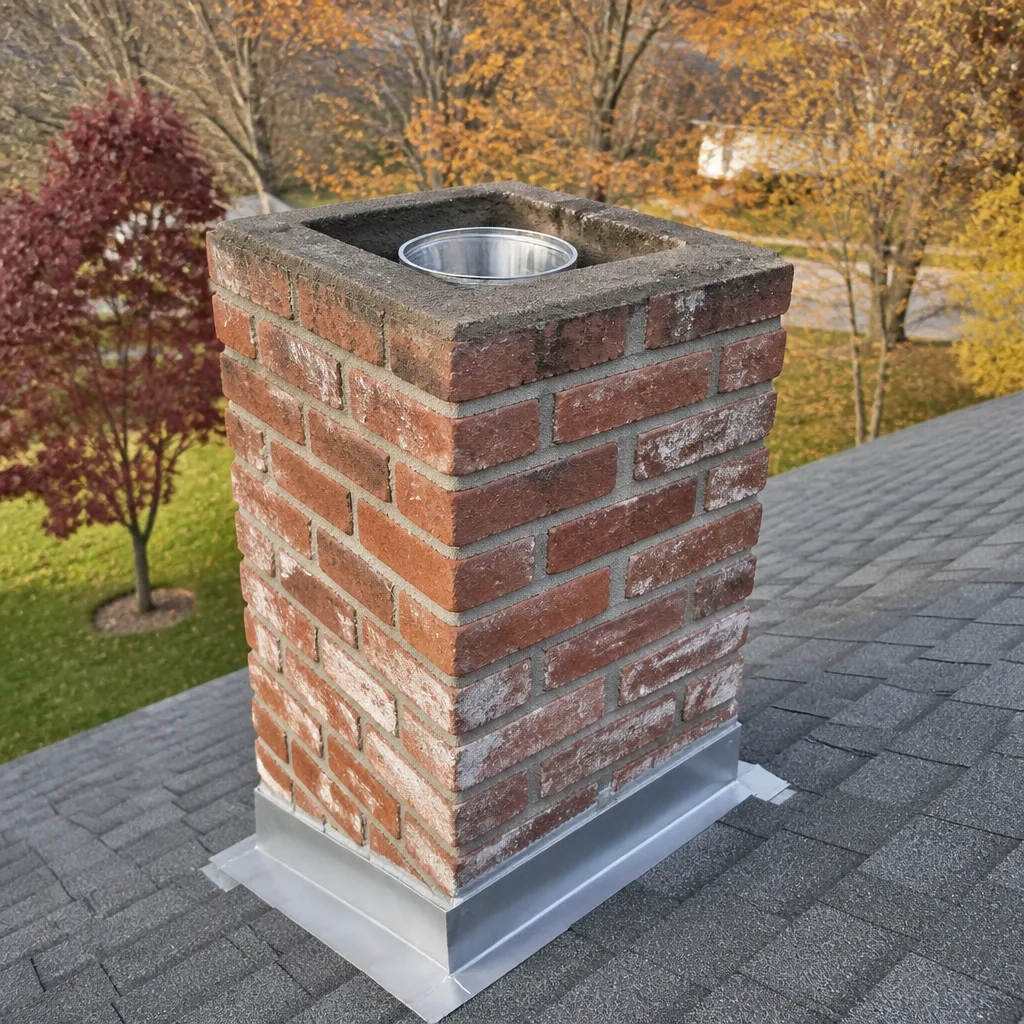 Flue relining
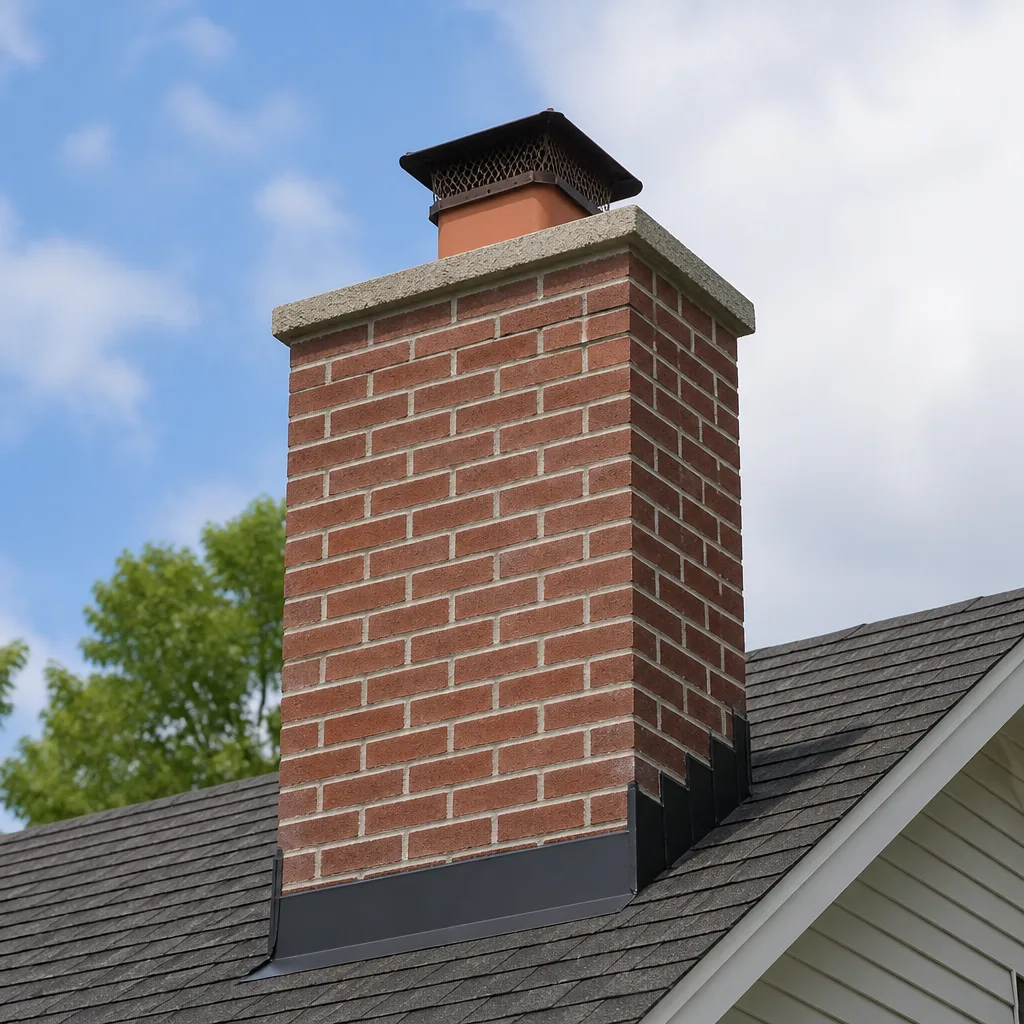 Masonry repair
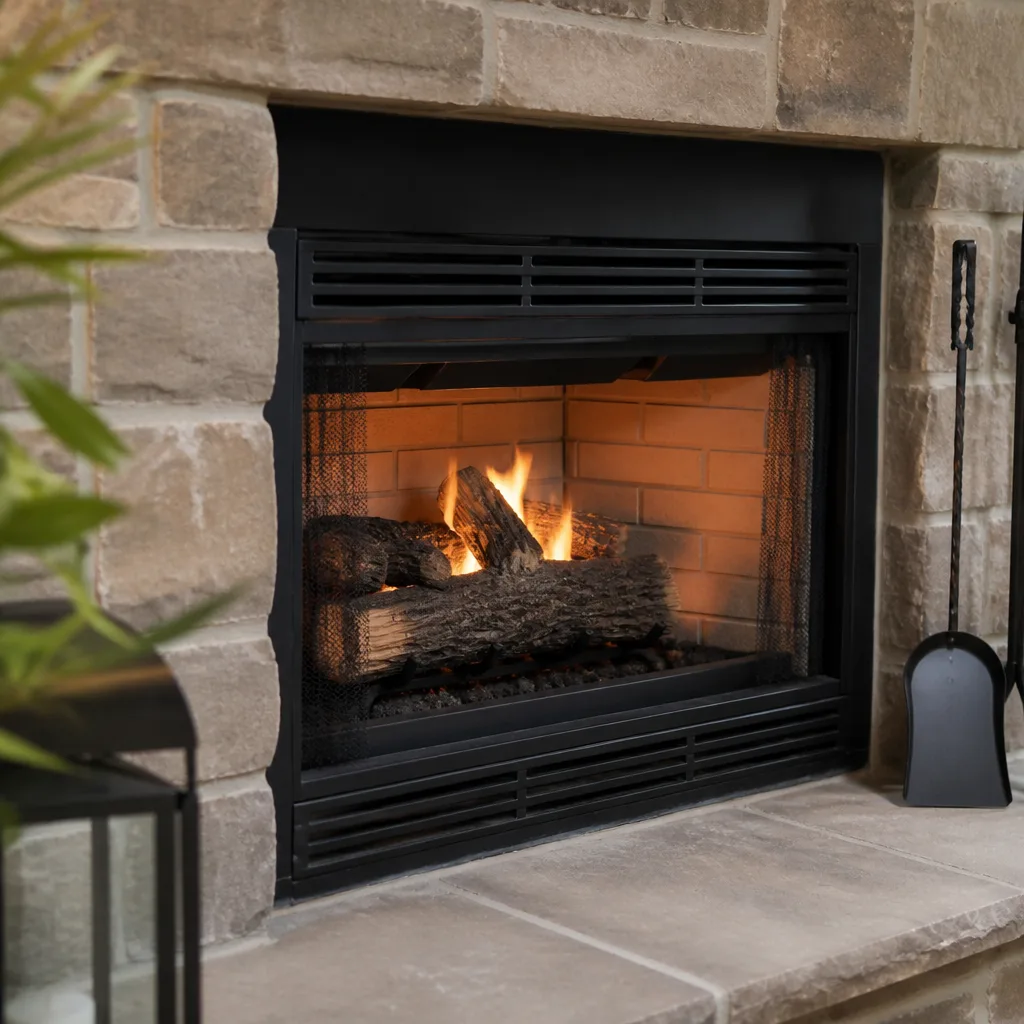 Gas fireplace service
Level 1 sweep and inspection to the NFPA 211 annual standard - flue, crown, cap, and flashing checked and photographed
Chimney sweep logs do not sweep chimneys. They loosen some creosote - which then falls where a brush and vacuum still have to collect it.
Chimney Sweep Maintenance Checklist for Thornton Homeowners
Most chimney maintenance checklists online are repackaged marketing. They tell you to “schedule an annual cleaning” without explaining what a homeowner should physically verify before, during, and after that appointment. That advice falls apart in Thornton, where a hailstorm can crack a crown in twenty minutes and a cold snap can change how your flue draws. A date on the calendar tells you almost nothing about the actual condition of your chimney. What works is a checklist tied to real triggers: how much you burn, what the weather just did, and what your own eyes can confirm from the living room. This guide walks through each of those triggers so you can stop problems while they’re still cheap to fix, and know the red-line conditions that mean stop using the fireplace today.
Quick Answer
A workable chimney maintenance checklist for a Thornton homeowner covers four things: an inside pre-season inspection you can do yourself, an annual professional sweep and camera check, a post-storm look at the crown, cap, and flashing after Front Range hail or wind, and cleaning based on how much wood you actually burn rather than the calendar. Record what each inspection finds so you have a paper trail for insurance and resale. Anything that smells like smoke in the room, shows cracked firebox brick, or lets water in means stop burning and call a professional.
Styles & brands we work with
- Sweep & inspection
- Caps & crowns
- Flue relining
- Masonry repair
- Gas fireplace service
Table of Contents
- Pre-Season Checks You Can Do From Inside
- Usage Triggers: When You Actually Need a Sweep
- Post-Storm Checklist for Thornton Hail and Wind
- What a Professional Sweep Should Cover
- Repair-Ready: When Cleaning Turns Into Fixing
- The Dryer Vent Side of Venting Safety
- What to Record and Keep on File
- Red-Line Items: Stop Burning Immediately
Pre-Season Checks You Can Do From Inside
Before you call anyone, spend twenty minutes with a flashlight. The point isn’t to diagnose your own chimney; it’s to walk into your sweep appointment knowing what you’ve already noticed, so nothing gets missed and nothing gets sold to you that isn’t there. Every item below is a visual or sensory check that requires no tools and no ladder.
The first thing to confirm is the damper. Open and close it a few times. It should seat flat and close fully, cutting off the draft when the fireplace is idle. A damper that hangs up, won’t seal, or rattles loose lets heated room air escape up the flue all winter and lets cold air fall back into the room. If it doesn’t move freely, note it. That’s a repair conversation, not a cleaning one.
Next, smell the firebox when the fireplace has been cold for a day. A faint ash smell is normal. A sharp creosote smell, a smoky odor that lingers in the room, or the smell of damp soot after rain all point to a draft problem or water getting in somewhere above. Note which one you smell and when.
Then look at the firebox itself. Shine the light on the brick and mortar joints at the back and sides. Hairline cracks in the mortar are common and often cosmetic. Cracks through the brick, missing mortar chunks, or white staining that looks like efflorescence deserve a professional look. Also check the firebox floor and the smoke chamber above the damper for crumbling material.
Finally, run your hand along the mantel and the wall above the fireplace opening. Any soot streaking or discoloration means smoke is spilling into the room instead of going up. Write it down with the date. That detail tells your technician exactly where to start.
Do these checks in late summer or early fall, before the first burn of the season. If you’ve never had the flue examined with a camera, that’s the appointment to book first, because a visual check from the firebox can’t see what’s going on twenty feet up. Our chimney sweep includes a camera inspection so you see the same footage we do.
Usage Triggers: When You Actually Need a Sweep
Cleaning on a fixed annual date is a rough guess. Cleaning when the creosote layer builds up is precise. Creosote is the tar-like residue that condenses on flue walls as smoke cools. It accumulates faster when wood is wet, when the fire burns smoldering and cool, or when the flue is oversized for the firebox. The thickness matters, not the anniversary of your last sweep.
In our experience, the workable thresholds for a wood-burning fireplace look like this:
- About one cord of wood per season plus occasional fires: inspect annually, sweep when the layer reaches roughly 1/8 inch.
- Two to three cords, or daily burning through the winter: inspect and sweep at least once mid-season, not just in the fall.
- More than three cords, or a fireplace used as primary heat: sweep twice per season and check the cap and crown along with it.
- Gas inserts and gas logs: no creosote, but the vent still needs an annual check for debris, nesting material, and proper venting.
A 1/8-inch layer of creosote is the practical line. Below that, a sweep can often wait. Above it, the deposits are thick enough that a hot fire can ignite them. Glazed, shiny creosote is the dangerous stage and needs professional removal, sometimes with chemical treatment before sweeping. You can’t reliably judge the thickness from the firebox floor; it’s a flue-wall measurement, which is why the camera inspection matters.
Thornton’s climate pushes a specific pattern. Long, dry, windy stretches through spring and early summer let creosote cure and harden. Then the heating season starts in October and runs into April. A fireplace that sat idle all summer isn’t cleaner; it’s just colder. The layer from last winter is still there.
The other usage trigger is behavioral. If you’ve changed how you burn (new insert, switching from softwood to hardwood, running the damper wide open to compensate for a weak draft), assume the buildup rate changed too and book an inspection to reset your baseline.
Post-Storm Checklist for Thornton Hail and Wind
Front Range weather is the reason a calendar-based checklist fails. Thornton gets hail, and it gets wind that funnels over the open ground and hits the roof line hard. Both events do damage to the exterior of a chimney that no inside inspection will catch. After any significant storm, work from the ground up. Everything on this list can be checked with binoculars from the yard.
- The crown. Look at the concrete cap that tops the chimney. It should be a solid slab with a slight slope and no cracks running through it. Hail cracks it, freeze-thaw widens the cracks, and water gets behind it into the masonry. A cracked or crumbling crown is the single most common storm-related chimney problem we see.
- The cap and spark screen. The metal cap over the flue should be flat and fully attached. Wind bends caps and tears screens loose. A missing screen lets birds and squirrels in and lets embers out.
- The flashing. That’s the metal collar where the chimney meets the roof. Look for lifted edges, gaps, or metal that’s been pushed out of place. Flashing failures cause leaks that show up as staining on the ceiling or the chimney breast indoors, sometimes weeks later.
- Damaged masonry and brick spalling. Hail chips brick faces and knocks mortar joints loose. Look for fresh white or red chips at the base of the roof and new crumbly spots in the joints.
- The chimney’s lean. Compare it against a plumb line (the corner of the house works). Any new tilt after a wind event needs an inspection before you burn again.
Do this check within a few days of the storm, not months later. Water damage compounds. A crown crack that gets caught right after hail is a resurfacing job. The same crack left through a winter of freeze-thaw cycles can mean rebuilding the top of the chimney. If you’re not comfortable reading what you see from the ground, we look at crowns, caps, and flashing on every visit. Our Chimney Sweep Thornton team handles the repair side of what the storm check turns up, so a damaged crown doesn’t send you looking for a second contractor.
What a Professional Sweep Should Cover
A proper sweep is an inspection with a cleaning attached, not the other way around. If the technician sweeps and leaves without showing you the condition of the flue, you’ve paid for half the job. Here’s what should happen, in order.
- A walk-around before anything else. The technician looks at the exterior: crown, cap, flashing, brick, and the chimney’s general condition from the yard.
- Floor protection and a sealed work area. Drop cloths and a vacuum running throughout. So you can check the room after the clean.
- A camera inspection of the flue. This is the step that separates a real sweep from a brush-and-go. The camera shows cracks, gaps in the liner, offset sections, and the actual creosote layer on the flue wall. You should see the footage, not just the conclusion.
- The actual sweep. Brushes sized to the flue, worked top to bottom, with the firebox and smoke shelf cleared afterward.
- A dryer vent check if it’s part of the appointment. See below for why this belongs in the same visit.
- A written report with photos. Condition of the flue, condition of the crown, condition of the cap, and anything that needs attention, with photos.
Ask two questions when you book: does the price include the camera inspection, and do I get the report in writing? A sweep that can’t answer yes to both is a cleaning service, not a chimney service.
Blocking and spalling are the two conditions the camera catches that a brush never will. Blocking is a partial obstruction from a collapsed liner section or a nest. Spalling is flaking masonry inside the flue. Both change the flue’s ability to contain smoke and heat. Neither is something you can inspect from the living room, and both are the reason we don’t consider a sweep finished until the camera has been up the flue.
Repair-Ready: When Cleaning Turns Into Fixing
The reason we handle cleaning and repair under one roof is simple: the sweep is where problems get found, and stopping to find a second contractor between finding and fixing is where small problems turn into structural ones. When the camera shows a compromised flue or a cracked crown, the fix should happen before the first fire of the season, not in a follow-up appointment in the spring.
Three repair jobs cover most of what a sweep turns up in Thornton homes:
Relining. When the existing flue liner is cracked, missing in sections, or not rated for the appliance, the flue needs a new liner. We install DuraFlex liner systems, sized to the flue and the appliance, the same material standard certified chimney specialists use across the country. A reline is spec work; the liner has to match the flue and the firebox, not come off a shelf.
Resurfacing. When the flue is intact but the interior surface is rough, spalled, or has gaps at the joints, the fix is resurfacing rather than full relining. HeatShield is the material we specify for this: it’s a repair-grade resurfacing system applied to the flue interior, not a temporary patch. It restores a smooth, sealed flue surface so creosote buildup and drafting both behave the way they should.
Crown and cap repair. Cracked crowns get rebuilt or resurfaced. Damaged caps and spark screens get replaced. We work with Gelco, Olympia Chimney, and Famco components where the manufacturer’s specification calls for them, so the part that gets installed is the right part for the flue, not the closest match in a supply house.
What matters for the homeowner is that none of this requires a second vendor. If the camera shows a problem during the sweep, we can quote the repair and schedule it in the same visit. You get a written estimate with the material specified before anything is ordered.
The Dryer Vent Side of Venting Safety
A chimney checklist that ignores the dryer vent is missing a chunk of the home’s venting picture. Lint is highly combustible, and a dryer vent that’s clogged or crushed is one of the most common causes of residential fires. The chimney and the dryer vent are both exhaust systems, and both need their airflow checked on a schedule. Most chimney-only sweeps don’t touch the dryer vent, which is why we treat dryer vent cleaning as its own service rather than an add-on.
The checks you can do yourself:
- Feel the outside vent hood while the dryer is running. Strong airflow is good. Weak or no airflow means a blockage somewhere along the run.
- Look at the vent line behind the dryer. A flexible foil or plastic duct crushed behind the appliance is the most common restriction we find.
- Check the outside termination. A flap that won’t open, or a hood packed with lint, restricts the entire run.
- Watch drying times. Clothes that take two cycles are telling you the vent is restricted before any other symptom shows up.
Professional cleaning clears the full run from the dryer connection to the outside termination, with a camera where the run is long or has bends. It’s a short appointment and worth doing once a year, especially in a household that runs the dryer most days. If your chimney sweep appointment is already on the calendar, book the dryer vent in the same visit and cover both exhaust systems at once.
What to Record and Keep on File
The record you keep from each sweep and repair has more value than most homeowners realize. It’s the first thing an insurance adjuster asks for after a chimney fire claim. It’s also the first thing a home inspector looks at during a sale, and a documented maintenance history is what turns a “that chimney looks neglected” line in a buyer’s inspection report into a non-issue.
What to keep on file:
- The sweep report. Dated, with the flue condition noted and the camera findings summarized.
- Photos or footage of the flue condition. The before-and-after from the camera inspection is the strongest evidence of condition you can hold.
- Liner and resurfacing records. If the flue has been relined with a DuraFlex system or resurfaced with HeatShield, keep the material specification and date. That record tells a future inspector exactly what the flue is rated for.
- Crown, cap, and flashing repairs. Which storm prompted it and what was replaced. Useful for siding and roof insurance claims as well.
- Dryer vent cleaning dates and findings. Particularly if the vent run was found restricted.
Keep the file together, physical or digital, and add to it every appointment. When you sell the house, hand it to the buyer. It’s the difference between “chimney condition unknown” and a documented, maintained flue.
Red-Line Items: Stop Burning Immediately
Some conditions are a “schedule us soon” problem. Others are a “stop burning today” problem. The distinction matters, and most checklist articles blur it. Here’s the line. If you see any of the following, don’t wait for the next scheduled sweep: stop using the fireplace and book an inspection before the next fire.
- Smoke spilling into the room while the fire is burning. Smoke in the room means the flue isn’t drafting correctly, and the flue’s job is to carry combustion products out of the house. This is a carbon monoxide risk, not a nuisance.
- Cracked or crumbling firebox brick. Firebox cracks let heat through the brick into the surrounding structure. Stop and have it looked at.
- Visible damage to the flue liner, or a flue with no liner at all. An unlined or damaged flue can’t contain the heat from a fire. This is a relining conversation.
- Crumbling masonry or a chimney with a visible lean. Structural movement needs an inspection before another fire.
- A strong creosote smell in the room, or glazed, shiny creosote on the flue wall. Glazed creosote is the stage that ignites. Stop burning and book the removal.
- Water staining on the chimney breast or ceiling after a storm. You have a flashing or crown failure. It may not be a fire risk, but the masonry damage compounds with every freeze-thaw cycle.
None of these are “wait and see” items. Carbon monoxide and chimney fire are the two risks that make the difference between scheduling and stopping; both are serious, and the reason we treat the red-line list as the most important part of the checklist.
Common Mistakes to Avoid
- Cleaning by date instead of by use. A summer home with a gas insert and a family house burning three cords of wood need very different schedules. Track usage and check the flue-wall thickness.
- Skipping the camera inspection. A brush-and-go sweep cleans the flue but doesn’t inspect it. The condition of the liner is what determines whether you have a safe flue, and only the camera sees it.
- Judging the chimney only from inside. The crown, cap, and flashing are exterior parts, and in Thornton the storm damage gets there first. Do the ground-level check after every significant hail or wind event.
- Trusting the color of the smoke. Dark smoke, white smoke, and the “burning right” test all miss the important variable, which is the creosote layer on the flue wall. Nothing replaces the camera check.
- Burning wet or unseasoned wood. It cools the fire, increases creosote buildup, and accelerates the need for a sweep. Seasoned wood burns cleaner.
- Fixing a flue interior with temporary patch material. A rough flue gets resurfaced with a repair-grade system (HeatShield) or relined with a rated liner (DuraFlex). Patch-and-hope is what turns a small resurfacing job into a relining job.
- Ignoring the dryer vent because it isn’t the chimney. It’s the other exhaust system in your house, lint is combustible, and a restricted dryer vent is a house fire waiting to happen. Clean it annually.
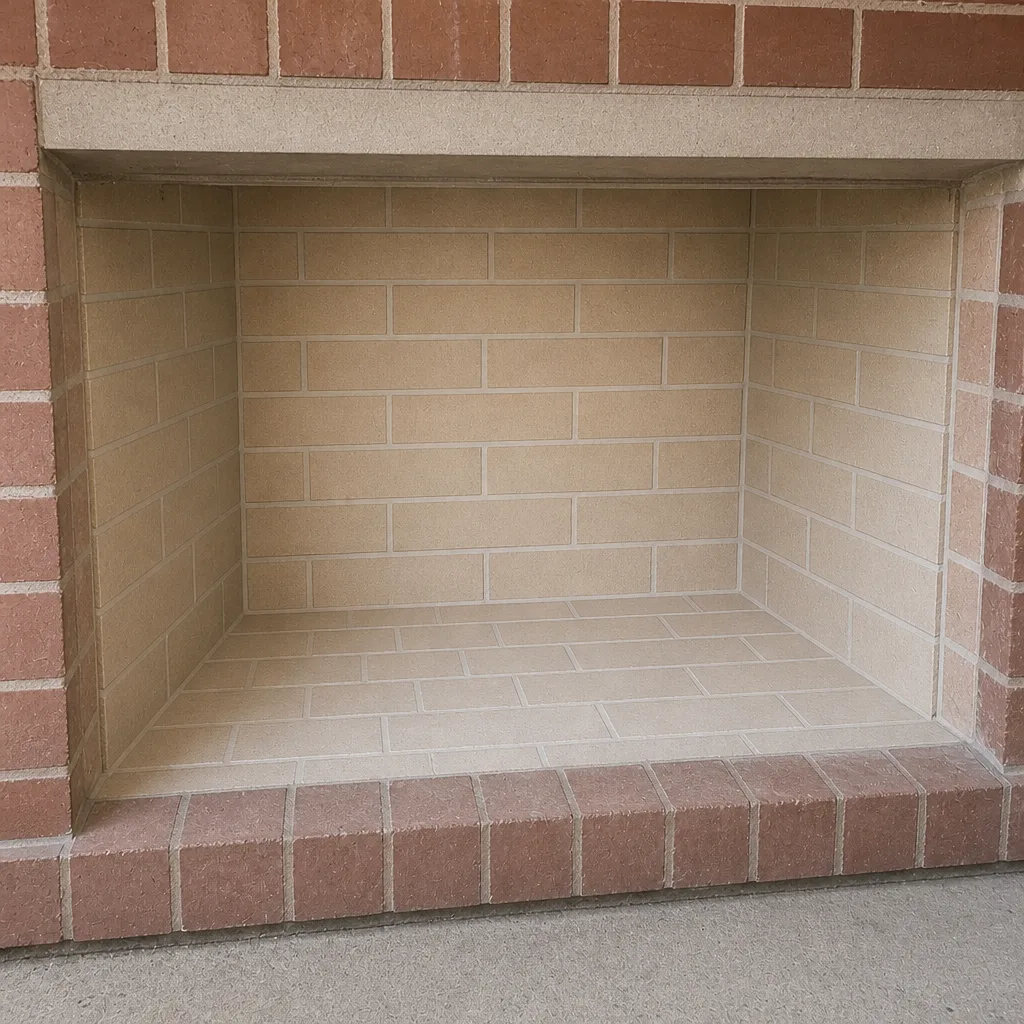
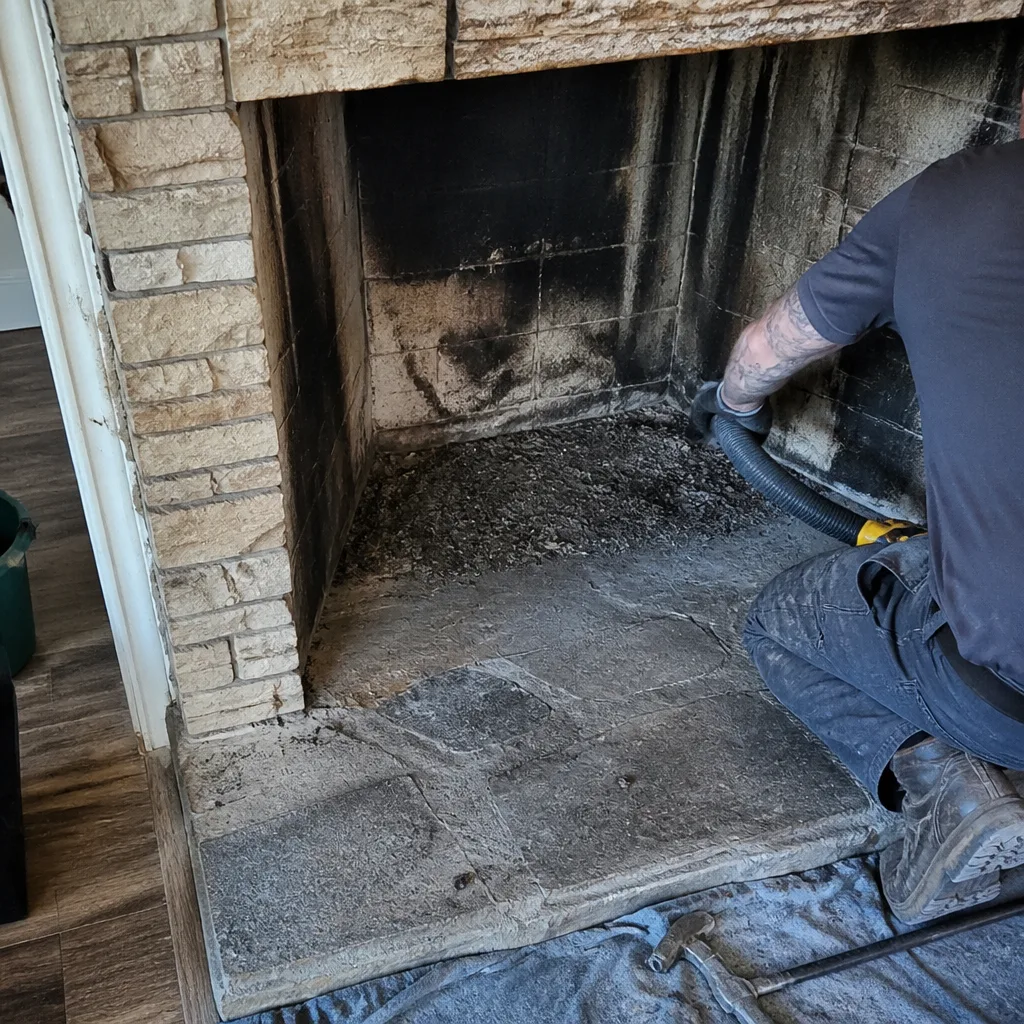
See the difference
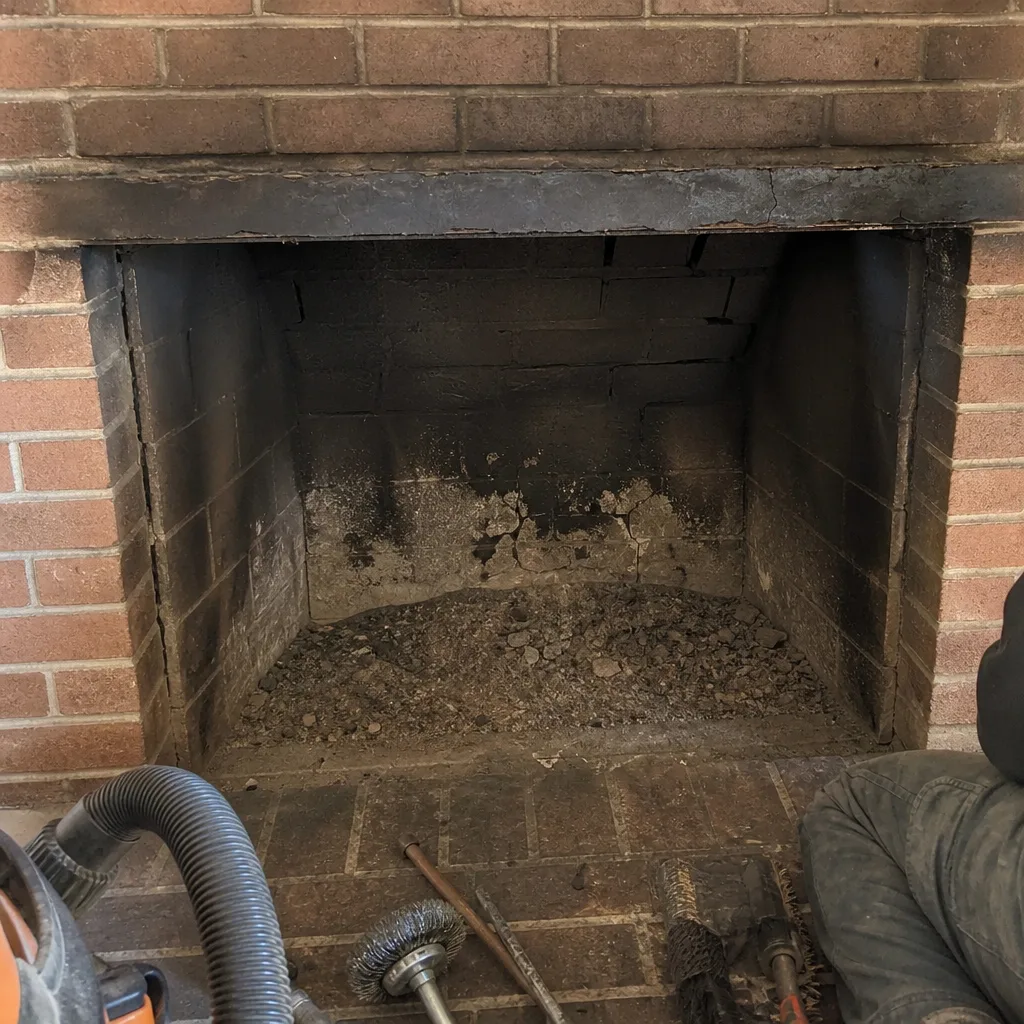 Before
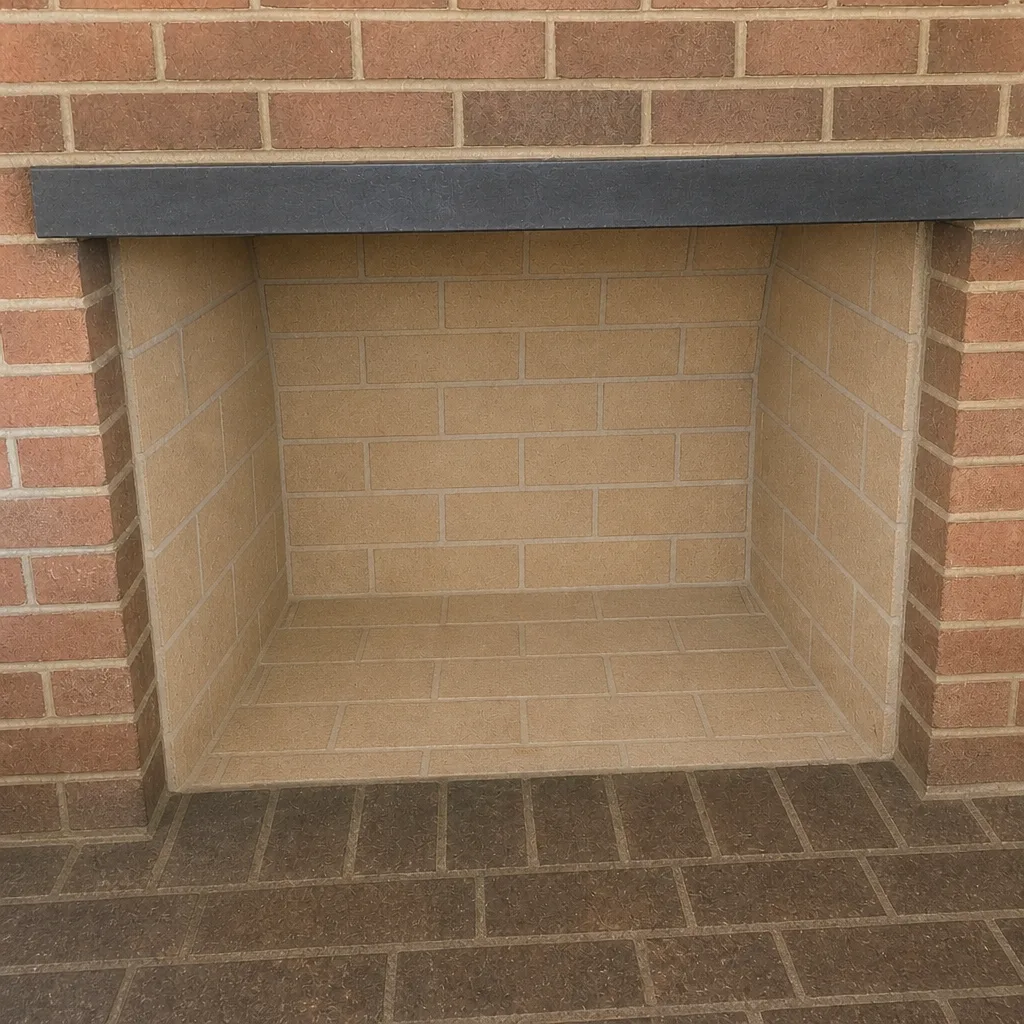 After
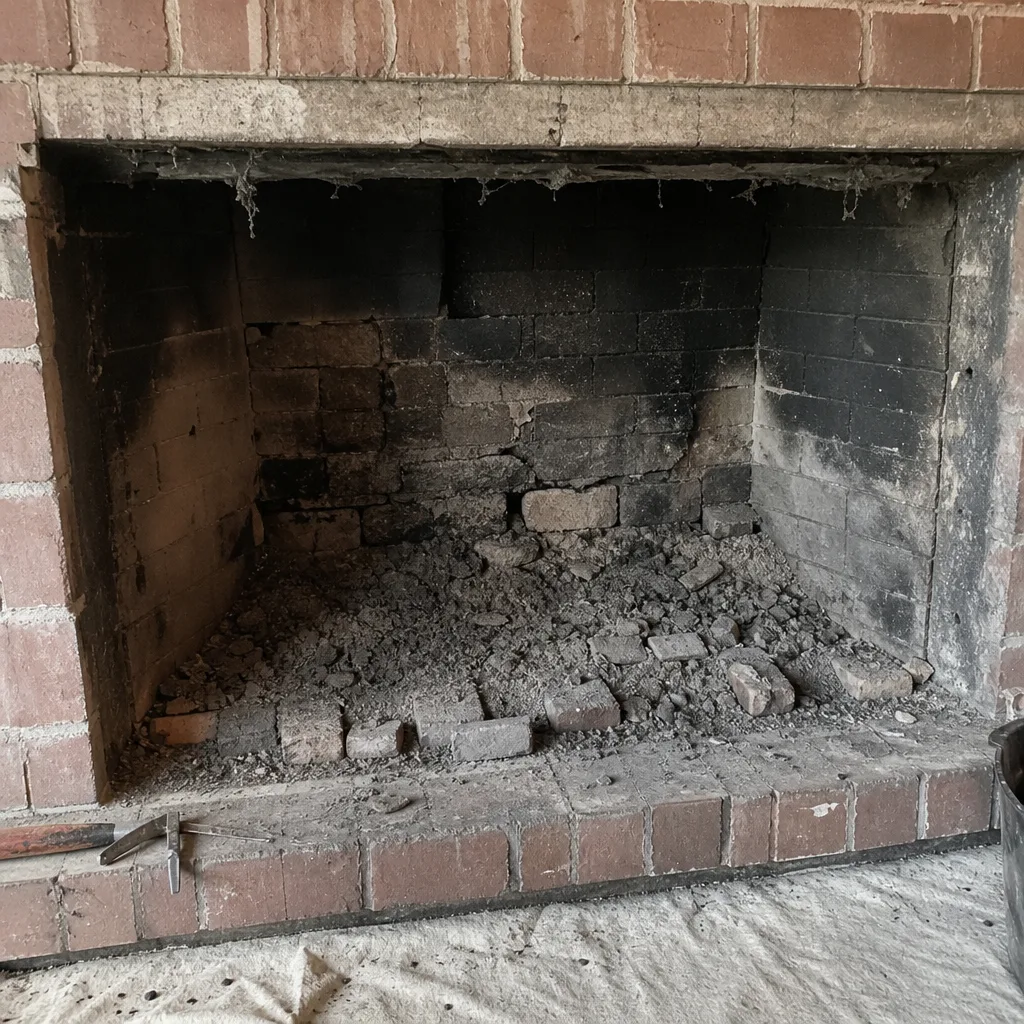 Before
 After
 Before
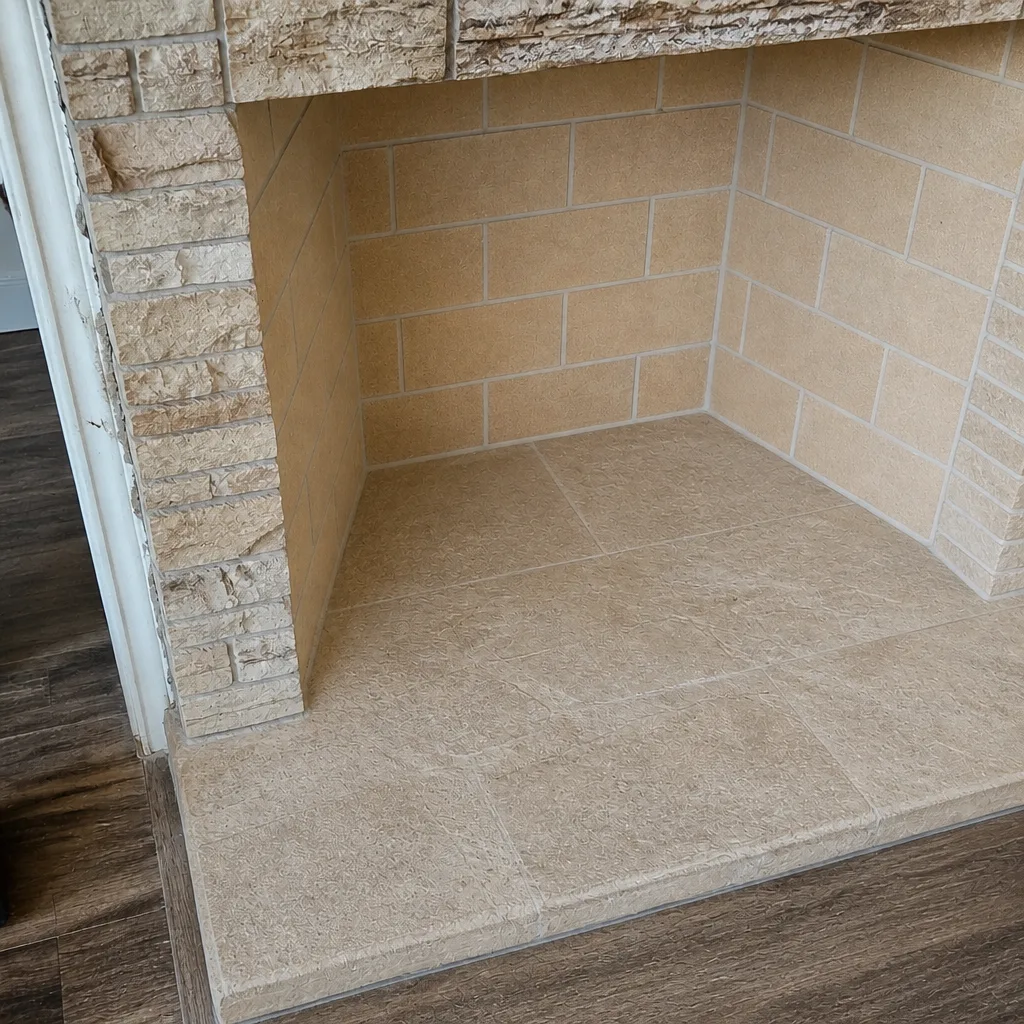 After
When to Call a Professional
Book a professional appointment when you have any red-line condition, when the usage thresholds point to a sweep, after a significant hail or wind event, or when an annual inspection is due and the flue hasn’t been looked at with a camera. Call for the dryer vent if it’s been more than a year or the dryer is taking longer to dry clothes. Call if you see smoke in the room, a cracked crown, a damaged cap, or a lean in the chimney. Our technicians have up to 10 years of experience, and we work with the same material brands the trade uses: DuraFlex liners, HeatShield resurfacing, and components from Gelco, Olympia Chimney, and Famco as the flue requires. Chimney Sweep Thornton offers free estimates in Thornton. Call (866) 361-5660. We answer 24/7. Fast dispatch from 7am to 7pm, Sunday through Friday.
Frequently Asked Questions
Sweep when the creosote layer on the flue wall reaches about 1/8 inch, not on a fixed annual schedule. In practice, a wood-burning fireplace used a few times a week needs one sweep per season. Burn two or more cords a year and you’ll want a mid-season inspection too. If you burn more than that or heat with wood, plan on two sweeps. Call (866) 361-5660 for an exact schedule based on your setup. Estimates are free.
A sweep cleans; an inspection evaluates. A proper appointment does both, and the camera inspection is what shows the condition of the flue. A brush-and-go cleaning without a camera check tells you the flue is clean but not whether it’s safe. Our sweeping includes the camera inspection and a written photo report. Call (866) 361-5660 to book.
Yes, with a caveat: a cracked crown is a water-intrusion problem, not a fire-safety problem on its own. The crack lets water into the masonry, and the freeze-thaw cycles in Thornton widen it over one or two winters. Don’t ignore it. Book a repair before the next heating season. Call (866) 361-5660 for a free estimate on crown repair.
Walk the yard with binoculars and check the crown, cap, screen, and flashing within a few days. Hail cracks crowns and winds bend caps. If anything looks chipped, cracked, or newly loose, book an inspection. The earlier the fix, the cheaper it stays. Call (866) 361-5660. Estimates are free.
Yes. A gas fireplace doesn’t produce creosote, but the vent still needs an annual inspection for nesting material, obstruction, and proper venting, and the firebox needs a look. A blocked gas vent is a carbon monoxide problem. Book an annual check on the same schedule you’d use for a wood fireplace. Call (866) 361-5660. Estimates are free.
A camera inspection is the only way to know for certain. If the footage shows cracks, gaps between liner sections, or a flue with no liner, the flue needs relining. If the liner is intact but the interior surface is spalled or rough, resurfacing may be the right fix instead. We specify DuraFlex for relining and HeatShield for resurfacing, and we quote both in writing. Call (866) 361-5660. Estimates are free.
The Bottom Line
A chimney maintenance checklist earns its keep when it’s tied to what your chimney is actually doing, not to the calendar. Use the inside checks to catch the small things before a professional visit. Track how much you burn and let the flue-wall thickness set the sweep schedule. Check the exterior after every Thornton storm. Keep the report and photos from every sweep and repair in one file. And treat the red-line conditions (smoke in the room, cracked firebox brick, a damaged liner, glazed creosote) as stop-and-call items. The point of all this record-keeping and checking isn’t documentation for its own sake. It’s catching the small problem before it’s a structural repair.
If you’d rather have one specialist handle the sweep, the repair, and the dryer vent together in Thornton, call (866) 361-5660 for a free estimate. We answer 24/7. Fast dispatch from 7am to 7pm, Sunday through Friday. Visit our Thornton service page to see our full coverage area.
Written by the team at Chimney Sweep Thornton.