
Last updated November 15, 2026
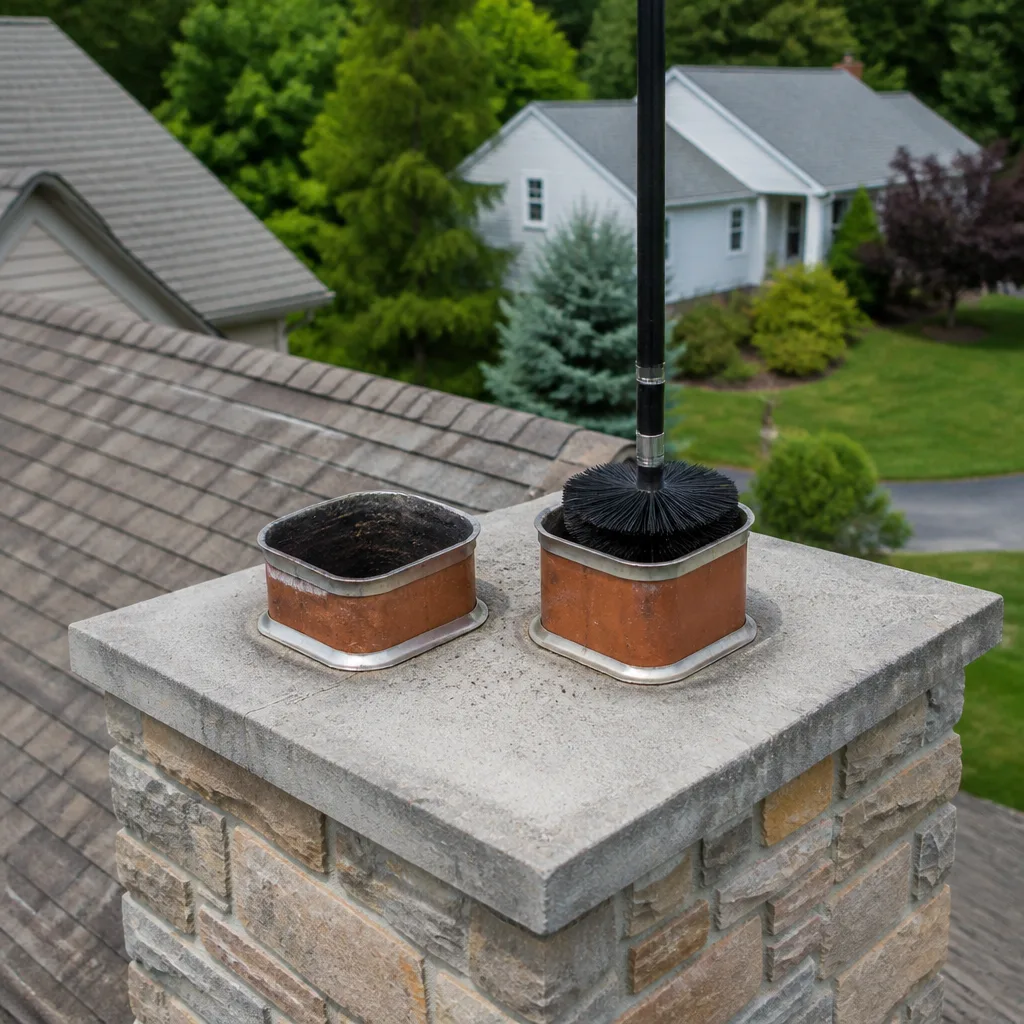 Sweep & inspection
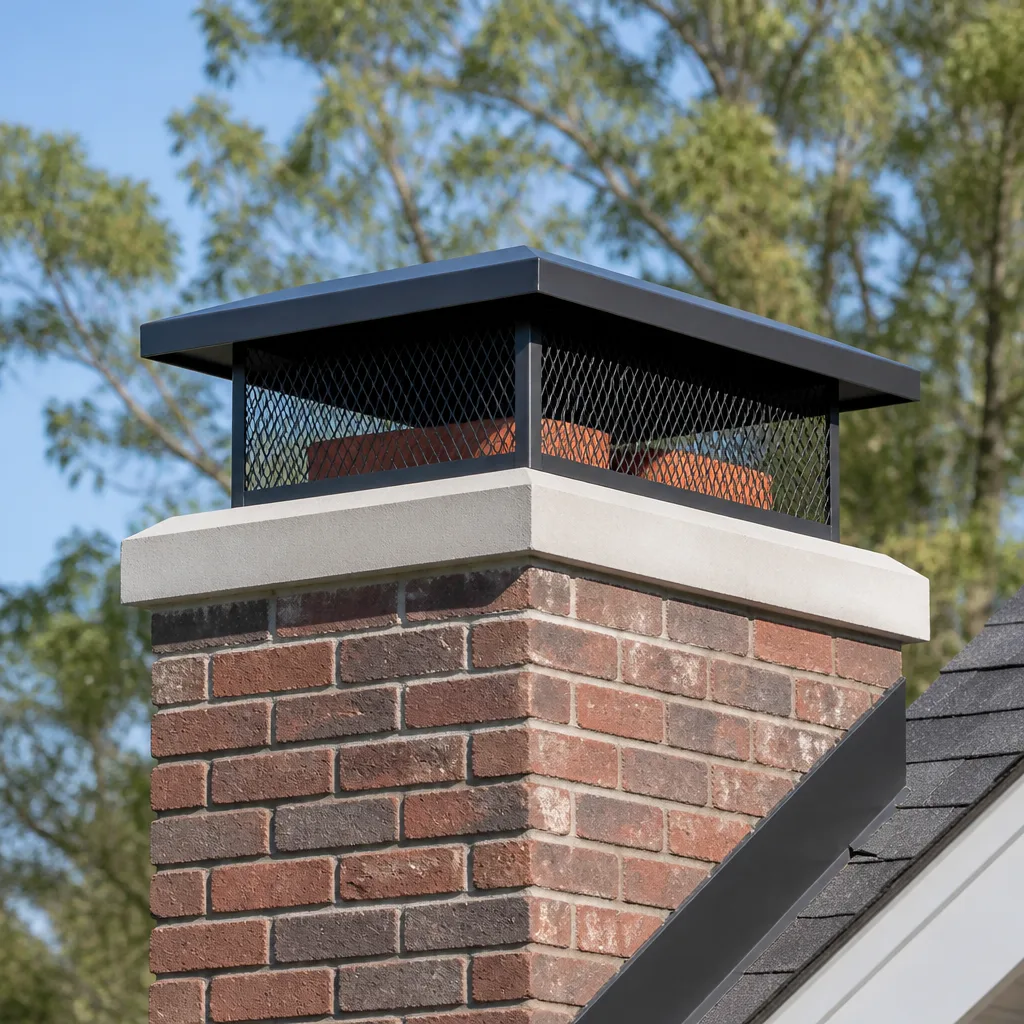 Caps & crowns
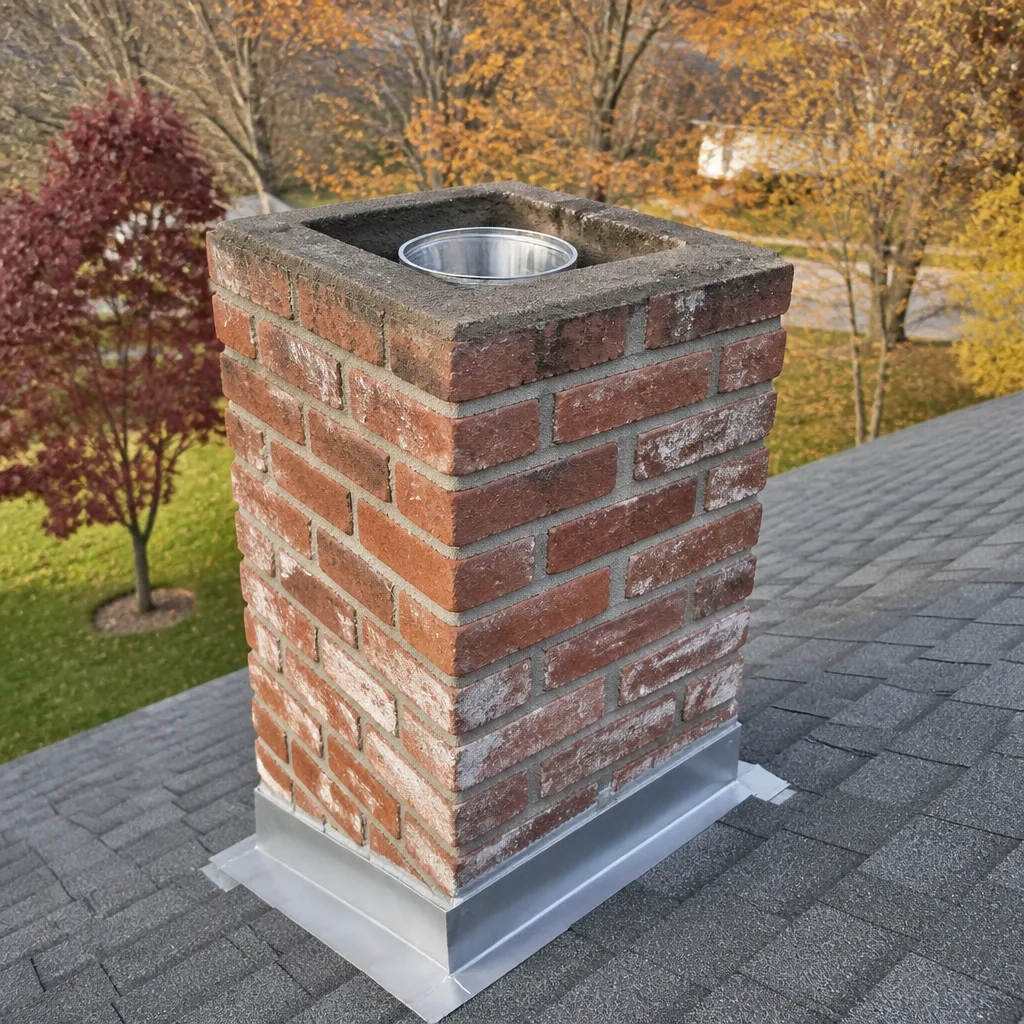 Flue relining
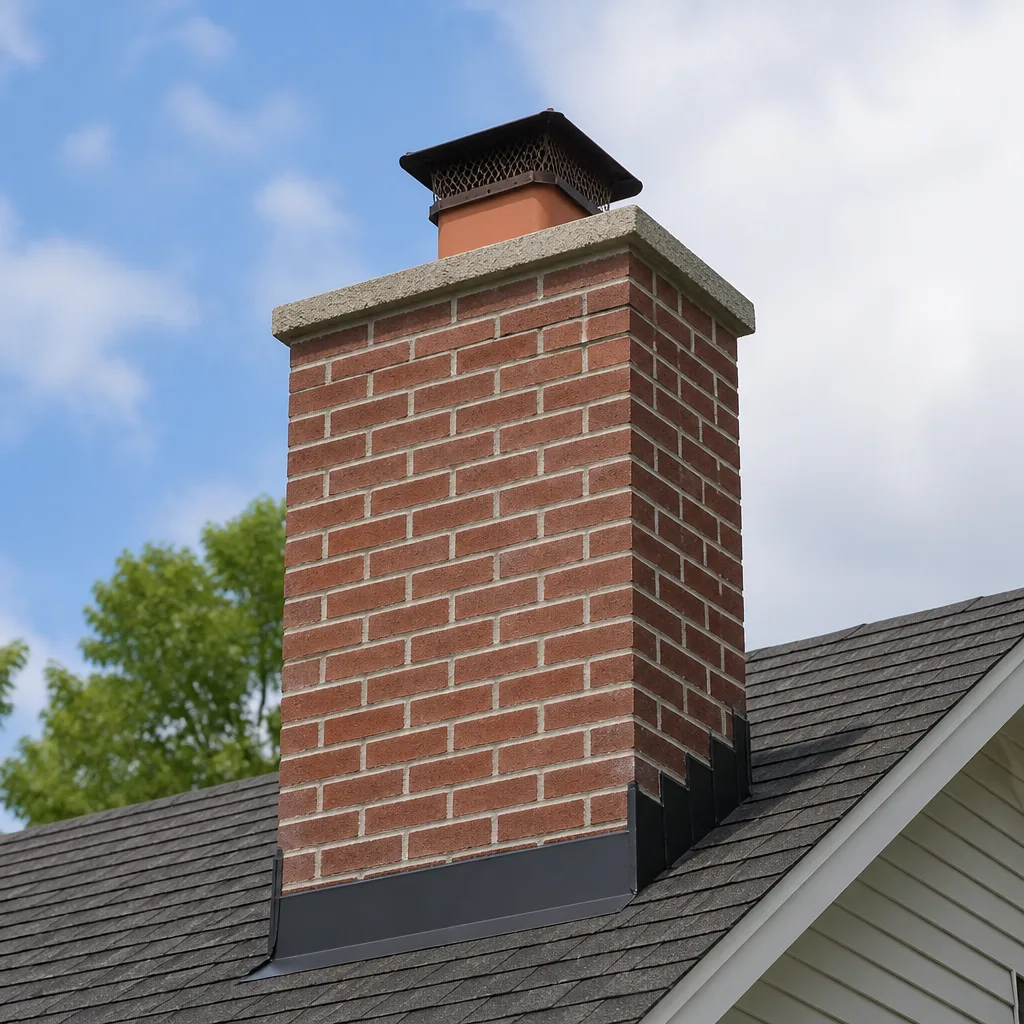 Masonry repair
 Gas fireplace service
Level 1 sweep and inspection to the NFPA 211 annual standard - flue, crown, cap, and flashing checked and photographed
Chimney sweep logs do not sweep chimneys. They loosen some creosote - which then falls where a brush and vacuum still have to collect it.
DIY vs Professional Chimney Cleaning: The Thornton Homeowner’s Decision Guide
The chimney brush kits on the shelf at a home improvement store are built for maintenance cleaning on flues that are already fairly clean. They are not engineered to take off stage-two glazed creosote, and running one against a heavy deposit doesn’t clean the flue so much as move the problem around. That gap between what a retail kit can do and what a dirty flue actually needs is where most Thornton homeowners get stuck. This guide lays out the exact conditions under which a careful do-it-yourselfer can handle a light cleaning, the equipment a real job demands, and the point where the math stops working in DIY’s favor.
Quick Answer
DIY chimney cleaning is only viable when you have a masonry fireplace with a straight flue, light soot or thin flaky creosote, a liner in confirmed good condition, and a safe, accessible roofline. If your flue has glazed creosote, an offset or bend, a damaged liner, or you can’t safely get on the roof, professional cleaning is the right call. A DIY cleaning also gives you no inspection data, so even a successful sweep leaves you without the safety check a professional visit provides.
Styles & brands we work with
- Sweep & inspection
- Caps & crowns
- Flue relining
- Masonry repair
- Gas fireplace service
Table of Contents
- What conditions make DIY chimney cleaning actually viable?
- What equipment does a real cleaning require versus a retail kit?
- Why does creosote stage decide the whole question?
- Why isn’t a cleaned flue the same as an inspected flue?
- What are the liability and insurance consequences of DIY cleaning?
- How does the true cost of DIY compare to professional cleaning?
- How does Thornton’s climate and housing shape the decision?
- Common mistakes to avoid
What conditions make DIY chimney cleaning actually viable?
DIY cleaning works for a narrow set of chimneys. Before you buy a brush, run your chimney through four tests. If any one of them fails, the calculus changes and the job belongs with a professional.
- Flue type. A straightforward masonry fireplace flue is the best candidate. Prefabricated metal fireplaces, gas inserts, and any appliance venting through a factory-built chimney need manufacturer-specific attention that generic brushes don’t provide.
- Creosote stage. Light, dry soot or a thin flaky layer is maintenance cleaning. Glazed, tar-like creosote is not something a homeowner brush removes.
- Chimney geometry. A straight vertical flue is workable. Offsets, bends, or a flue that changes size partway up trap a brush and leave sections untouched.
- Liner material and condition. A liner that’s cracked, spalling, or of uncertain condition shouldn’t be brushed by anyone but a professional who can assess it. A metal liner system has different cleaning needs than a clay tile flue.
Then there’s access. Most single-story homes in Thornton have a roofline you can reach, but many two-story and split-level homes don’t offer a safe way up without proper ladder work and roof anchors. If you aren’t confident on a roof, stop there. A fall is a much worse outcome than a dirty flue.
If all four conditions pass and you can safely reach the top, a maintenance cleaning is within reach for a prepared homeowner. If any test fails, get an assessment first. Our chimney sweep covers the full range of these scenarios, including the ones that rule DIY out.
What equipment does a real cleaning require versus a retail kit?
A retail chimney brush kit is a brush head, a few flexible rods, and maybe a small handheld brush. That’s a starting point, not a complete tool set. A genuine cleaning needs protection for the room, methods for both the flue and the smoke shelf, and a way to capture and dispose of what comes down.
Here’s what a real job typically involves, next to what a basic kit contains:
- Correctly sized brush. A brush must match the flue’s inside dimensions. A kit brush is often a fixed size that fits loosely or not at all in your specific flue.
- Enough rod length. Rods must reach the full height of the flue with some control. Short kits can’t handle a tall chimney.
- Drop cloths and containment. Soot and creosote get everywhere without proper sealing of the fireplace opening. Kits rarely include this.
- A shop vacuum with a fine filter. A household vacuum will blow fine soot back into the room. This is a separate purchase.
- Hand tools for the smoke shelf and damper area. These collect deposits a flue brush won’t reach.
- Disposal bags. Creosote dust has to be bagged and removed, not swept into a bin.
- Proper lighting and a mirror or camera to confirm you got what you came for.
The gap between the kit and the full list is the real equipment cost of a DIY cleaning, and it’s the part most homeowners underestimate. A good fine-filter vacuum alone is a meaningful expense, and you’ll only use it for this once a year.
Why does creosote stage decide the whole question?
Creosote builds up in stages, and the stage determines whether a brush will remove it. Stage one is light soot and flaky deposit, the kind a maintenance brush takes off. Stage two is a crusty, denser layer that a firm brushing can sometimes handle. Stage three is glazed, hardened creosote that has essentially baked onto the flue wall. A brush slides over that glaze instead of removing it.
That’s the crux of the DIY question. If your flue has reached stage three, brushing it yourself doesn’t clean it. It knocks loose what little is loose and leaves the glaze in place, and in some cases it redistributes loosened deposit into places it didn’t start. The glaze needs chemical treatment and professional removal methods, and often it reveals a liner problem underneath.
You cannot reliably judge the creosote stage from the firebox. You need to look up the flue with a light and, ideally, a camera. That’s the same reason a professional visit starts with an inspection and not a brush: you have to know what you’re removing before you remove it. In Thornton, where a lot of burning happens through the cold months and homes run wood fireplaces alongside gas inserts, the deposits can get heavy fast. Our technicians have up to 10 years of experience reading that buildup and knowing which stage is present before a brush ever goes in.
Why isn’t a cleaned flue the same as an inspected flue?
Cleaning and inspection are two different jobs, and DIY cleans one of them. When you run a brush and call it done, you’ve removed some deposit. You haven’t checked whether the liner is cracked, whether the crown is failing, whether the smoke chamber is sound, or whether there’s a blockage that could send carbon monoxide into the living space.
A professional visit produces information. It’s a camera inspection and a photo report of what the flue and the connected parts actually look like. That’s the difference between “it looks cleaner” and “we know the flue is sound.” A DIY cleaning can make a chimney look better while leaving a hairline crack in a liner that’s a genuine safety concern.
This matters most for the parts of the chimney you can’t see: the liner interior, the crown at the top, the smoke chamber above the damper. Each is a place where a small failure can turn into a real problem. Resurfacing work, like what we do with HeatShield for compromised flue interiors, can only be specified after that interior has been inspected. A cleaned flue tells you almost nothing. An inspected flue tells you what to do next. If your goal is knowing your chimney is safe, cleaning alone doesn’t deliver that, and that’s the strongest argument for a professional visit at least once.
What are the liability and insurance consequences of DIY cleaning?
This is the part most homeowners don’t think about until after. When you clean your own chimney, you’re the one certifying that it’s safe to use. There’s no third party, no report, no record.
Now consider what happens if a chimney fire or a carbon monoxide event occurs after your DIY cleaning. Your insurer will look for evidence that the chimney was properly maintained and inspected. There’s no professional documentation, because the work was done by the homeowner. A claim can be contested on those grounds, and you have no inspection record to point to that shows the flue was in good condition.
A professional sweep, by contrast, leaves a record. You get a report showing what was found, what was cleaned, and what condition the flue was in. That documentation is the difference between “we did our best” and “here’s the inspection.”
We’re not telling you this to scare you into booking. We’re telling you because it’s the honest answer to “why does it matter who cleans my chimney.” The cost of a professional visit buys you the cleaning plus the inspection record. When a fire or a CO event follows, that record is the thing you’d want. If you want to know what a visit includes for your situation, the team at Chimney Sweep Thornton can walk you through it and give you a free estimate.
How does the true cost of DIY compare to professional cleaning?
On paper, DIY looks cheaper. In practice, the true comparison has to account for equipment you buy and use once a year, disposal, and the real probability that you find a problem mid-project that needs a professional anyway. The honest comparison is fewer dollars up front versus more information and a complete job.
Here’s the full cost picture, laid out without a misleading sticker price:
- Retail kit: a modest one-time cost, but often the wrong brush size and too few rods for your flue.
- Fine-filter shop vacuum: a separate purchase that almost every DIY cleaning requires.
- Drop cloths, disposal bags, lighting, mirror: small costs that add up, and each gets used once a year.
- Time and risk: a half day of your own labor plus the roof-access risk, which has no dollar value but is real.
- The kicker: if the mid-project look finds glazed creosote, a cracked liner, or a blocked flue, you’ve spent the money and still need a professional to finish and inspect.
The professional side is a single visit that includes the sweep, the camera inspection, and a photo report, priced per job by a written estimate. The estimate is free, and it sets the final price so there are no surprises. When you weigh the equipment you’d buy for a one-time job against a visit that also hands you an inspection record, the gap narrows more than it first appears. That’s the cost comparison most DIY guides skip. If you want a straight comparison for your own chimney, call for a free estimate and we’ll tell you plainly what your flue needs and what can safely wait.
How does Thornton’s climate and housing shape the decision?
Thornton sits in the northern Front Range, where winters are cold enough that a lot of homes burn wood steadily through the season, and the burning pattern matters for creosote. A fireplace used in short, cool-burning sessions produces more creosote than a hot, efficient fire. Cooler and shoulder-season burning means more deposit, which pushes more Thornton flues toward the heavier stages where a DIY brush stops working.
The housing stock plays in too. Many Thornton homes have masonry fireplaces with straightforward flues, which is good news for a prepared DIYer. But plenty of the area’s homes have factory-built fireplaces, gas inserts, or chimneys with offsets and vaulted-chase construction that change the cleaning approach entirely. A quick look around your neighborhood won’t tell you which category your home falls into; the flue itself does.
The elevation and dry air also matter for liner condition. Clay tiles and masonry expand and contract through hard freezes, and small cracks at the crown or in the flue can widen over a few seasons. What looks like a maintenance cleaning on a Thornton chimney can turn into a repair conversation once someone actually inspects the top and the interior. That’s why an assessment matters more than a cleaning here. Our chimney sweep for homes in Thornton starts with that assessment, so the decision about cleaning is made with actual information about your flue.
What does a careful DIY cleaning actually involve?
If your chimney passed the four conditions and you’ve accepted the inspection gap, this is the shape of a careful maintenance cleaning. It’s here for the homeowner who has decided to do the light job properly, not as encouragement to take on a heavy deposit.
- Seal the firebox area. Tape a drop cloth over the fireplace opening and cover nearby surfaces, so soot that escapes the flue stays contained.
- Suit up. Eye protection and a proper dust mask are not optional. Fine creosote dust is a respiratory irritant.
- Confirm your brush size. The brush should fit the flue snugly but still move. Too loose and it skips the walls; too snug and you’ll jam it.
- Work from the top down where safe. If you’re on the roof, brush through the flue with controlled strokes and let the deposit fall to the firebox.
- Clean the smoke shelf and damper. Use hand tools to reach the areas the flue brush misses.
- Vacuum and bag the debris. Use the fine-filter vacuum and bag everything for disposal.
- Check with a light. Look up the flue and confirm you removed what you set out to remove. If you see glaze or damage, stop and call a professional.
If at any step you find glazed creosote, a cracked tile, or a blockage you can’t clear, that’s the moment the project stops being DIY. Call and we’ll finish it and give you the inspection.
Common Mistakes to Avoid
- Buying a kit and assuming it fits. A brush sold off the shelf rarely matches your flue’s inside dimensions. Measure first, or ask a professional what size your flue needs.
- Brushing over stage-three glaze. Glazed creosote won’t come off with a brush, and brushing it can loosen deposit into places it didn’t start. That deposit needs professional treatment.
- Skipping the smoke shelf and damper. A flue-only clean leaves a big deposit source above the firebox. It’s one of the most commonly missed spots in a DIY job.
- Using a household vacuum. A standard vacuum blows fine soot back into the room. This is one of the fastest ways to turn a small cleaning into a whole-house mess.
- Working on a roof you can’t safely stand on. Thornton’s mixed rooflines and winter conditions are not the place to test your balance. If it doesn’t feel safe, it isn’t.
- Cleaning but not inspecting. The whole point of cleaning is to know your chimney is safe. A brush without a camera and a light leaves you guessing, and guessing is exactly what you were trying to avoid.
- Assuming a clean-looking firebox means a clean flue. The firebox can look fine while the liner above it has a hairline crack or a glaze you can’t see.
When to Call a Professional
Call a professional when any of the four DIY conditions fails: glazed creosote, an offset flue, a liner of uncertain condition, or a roofline you can’t safely access. Call if you’ve done a maintenance clean and found damage or a blockage. Call if you use a gas insert or factory-built fireplace, since those need manufacturer-specific care. Call if the chimney has never been inspected, because that first inspection is the most important one. Call if you smell smoke indoors when the fire is going, or if you have any reason to suspect the liner. Chimney Sweep Thornton offers free estimates in Thornton, and we handle both the sweep and any repair the inspection turns up under one roof. Call (866) 361-5660. We answer 24/7. Fast dispatch from 7am to 7pm, Sunday through Friday.
See the difference
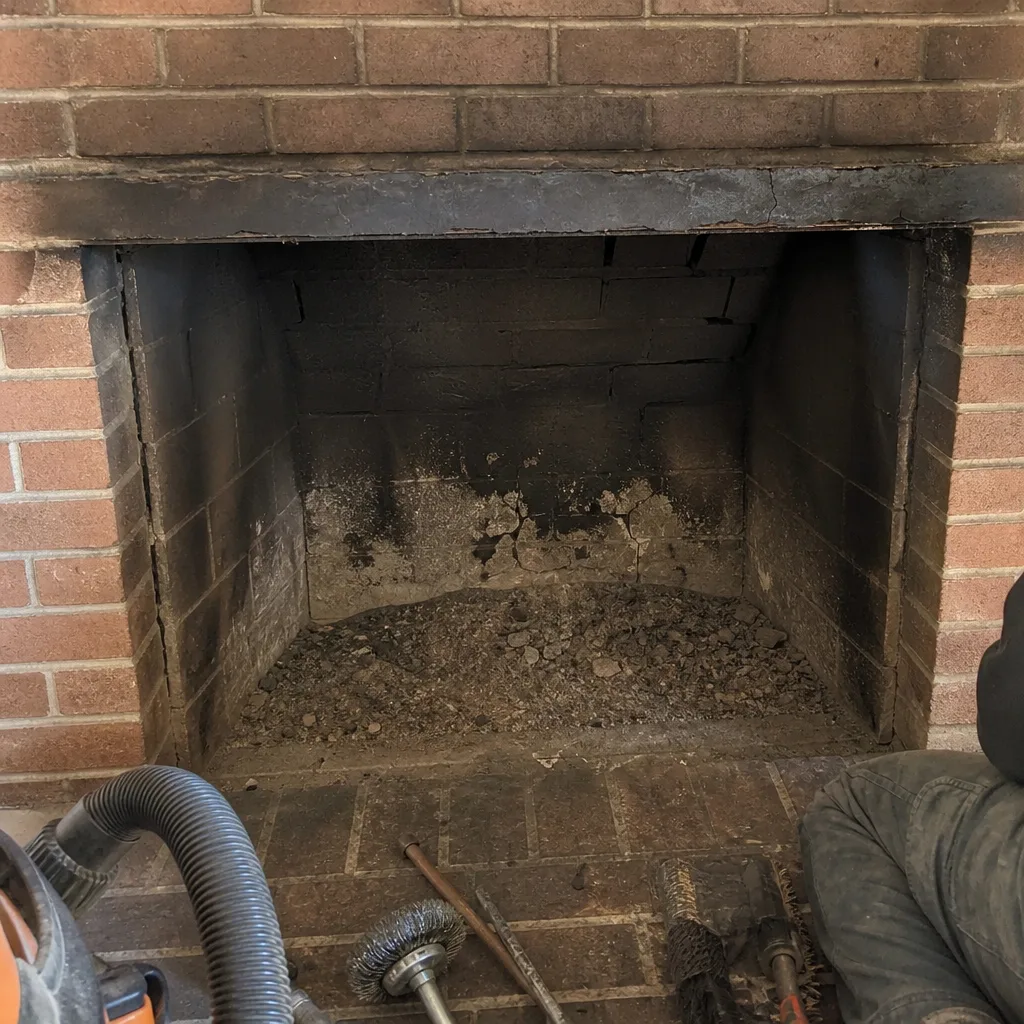 Before
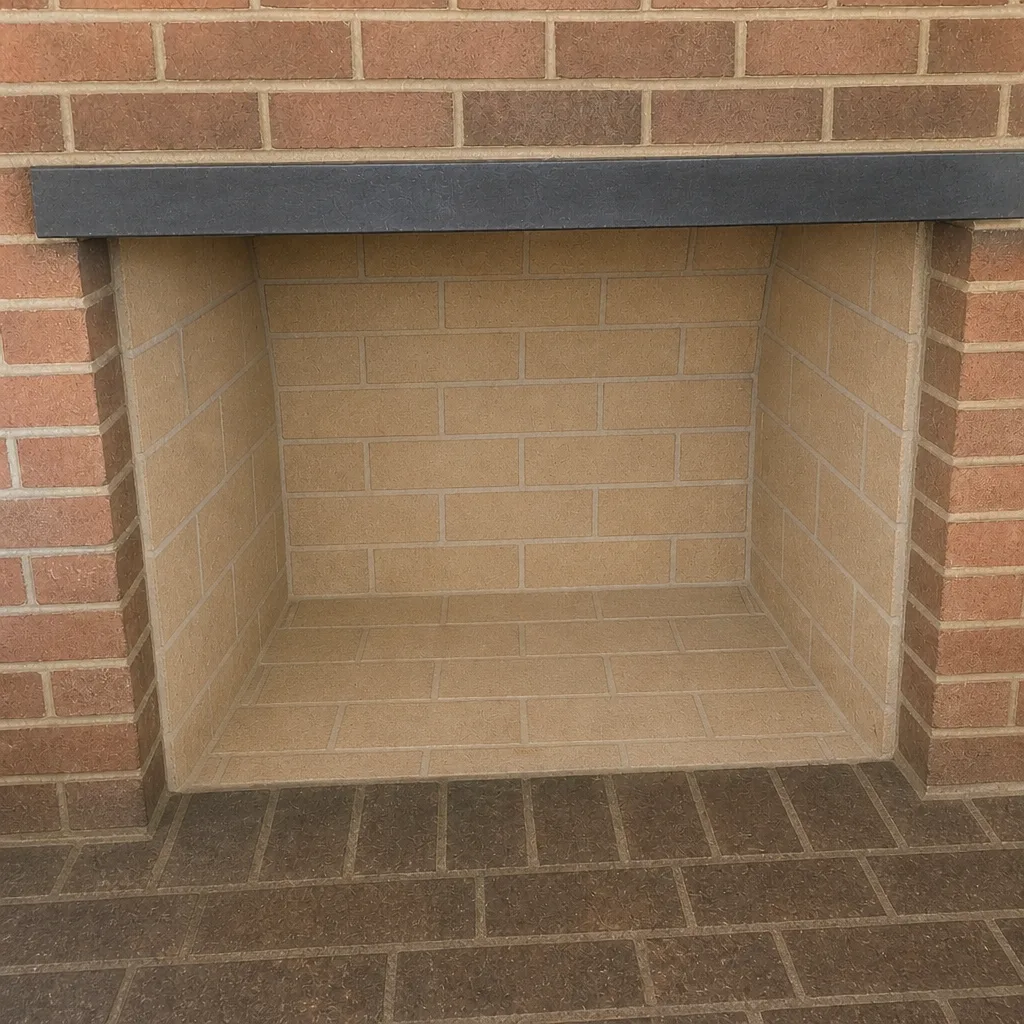 After
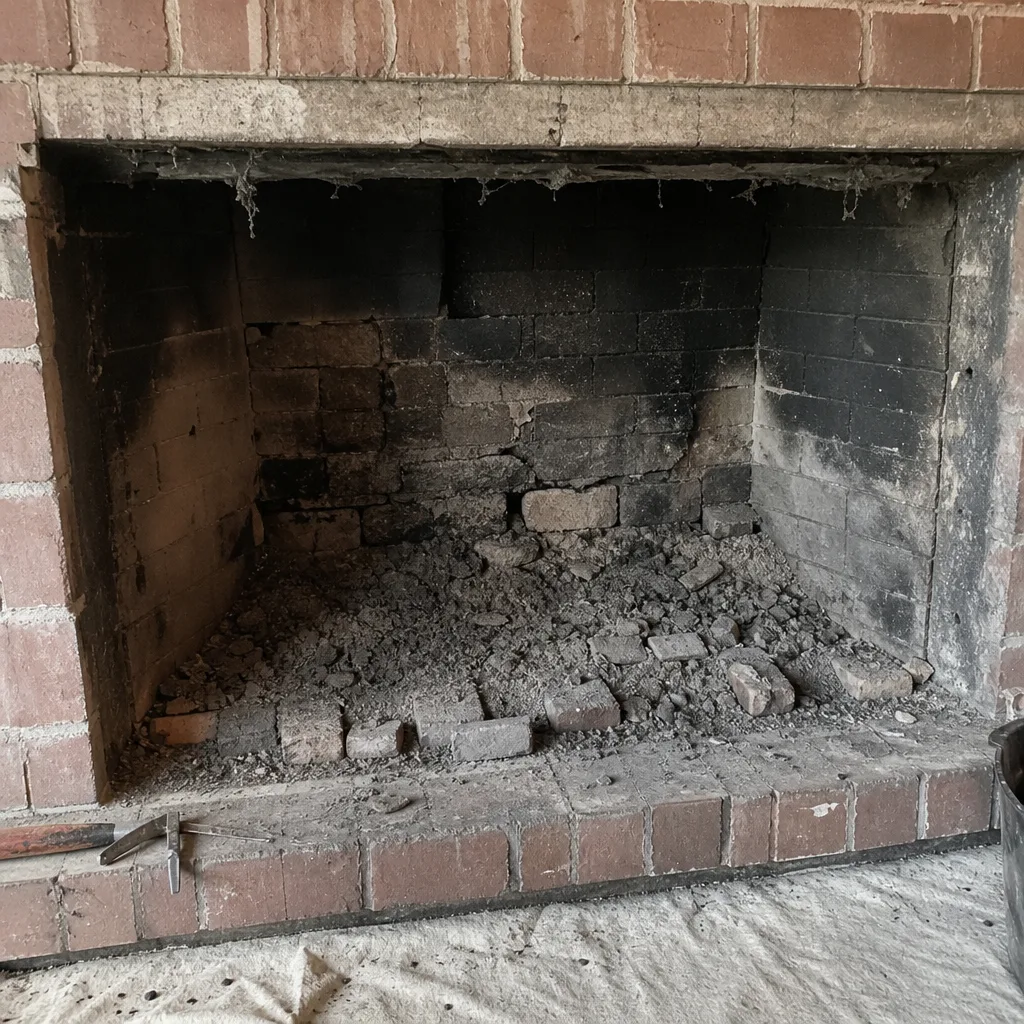 Before
 After
 Before
 After
What’s the difference between a sweep and a repair visit?
A sweep is maintenance and inspection. A repair visit fixes what the inspection finds: a deteriorating liner, a cracked crown, a flue interior that needs resurfacing. In practice the two often happen together, because a sweep is where most problems are discovered. When we find a damaged liner during a sweep, we specify the right material for your flue rather than a generic fix. We install DuraFlex liner systems for relining work and use HeatShield for resurfacing compromised flue interiors, with Gelco and Copperfield components in the mix when the job calls for them. Because we handle repair in-house alongside the sweep, a problem found during your visit can be addressed without a second contractor or a second visit. That’s the practical reason DIY cleaning gets awkward: if you find the problem yourself, you still need someone to fix it, and you’ve already done the cleaning portion. One specialist covering the full scope is simpler than the sequence of tools, brushes, and referrals a DIY job can become.
Do you also clean dryer vents?
Yes, and it’s a dedicated service, not an add-on after a sweep. Dryer vent cleaning addresses one of the most underserviced home fire-safety risks, because lint buildup in a vent line is a real hazard that most chimney-only services ignore. A clogged dryer vent reduces airflow and lets heat and lint accumulate, and it’s a routine part of the same venting-safety conversation as your chimney. We treat dryer vent cleaning as its own job with its own inspection, because the venting in a home is a system, not a single appliance. If your chimney is being cleaned and inspected, it’s the natural moment to have the dryer vent looked at too, since both are about moving exhaust safely out of the house. Homeowners in Thornton who want one specialist to cover the venting in the home often start with the chimney and add the dryer vent in the same visit. It’s a small step that closes a gap most people don’t think about until a dryer starts taking two cycles to dry a load, or longer.
Frequently Asked Questions
You can handle a light maintenance cleaning if your chimney meets four conditions: a masonry flue, light soot or thin flaky creosote, a straight flue, and a liner in confirmed good condition, plus safe roof access. If any condition fails, professional cleaning is the right call, and a DIY job gives you no inspection data even when it succeeds. Call (866) 361-5660 for a free estimate if you want to know where your flue stands.
Brushing stage-three glazed creosote doesn’t remove the glaze, and it can loosen surrounding deposit into areas it didn’t start. Glazed creosote needs professional chemical treatment and removal. If you look up your flue and see a shiny, hardened layer, stop and call a professional rather than brush it. We answer 24/7 at (866) 361-5660.
Yes, because a chimney that looks clean from the firebox can still have a cracked liner, a failing crown, or a glaze you can’t see. A professional visit includes a camera inspection and a photo report, which is the part that tells you your chimney is safe. Cleaning without an inspection leaves you guessing. Call (866) 361-5660 for a free estimate.
It can, because there’s no professional documentation that the chimney was properly inspected if a fire or carbon monoxide event follows. Insurers look for a maintenance and inspection record, and a DIY cleaning doesn’t produce one. A professional sweep leaves a report showing the flue’s condition. Call (866) 361-5660 to put that record in place.
How often depends on how much you burn and how your fire burns; a chimney used heavily through the cold months needs more frequent cleaning than one used occasionally. The reliable answer comes from an inspection that reads your creosote stage, not a fixed calendar. Call (866) 361-5660 and we’ll tell you what your flue needs and whether it can safely wait.
Often, yes. Because we handle repair in-house alongside cleaning, a damaged liner, cracked crown, or compromised flue interior found during your sweep can be addressed without a separate contractor. We install DuraFlex liner systems and use HeatShield resurfacing, so the repair is specified for your flue. Call (866) 361-5660 for a free estimate.
The Bottom Line
DIY chimney cleaning is viable only for a narrow set of conditions: a masonry flue, light deposit, a straight run, a liner in good condition, and safe roof access. Most Thornton homeowners find one of those conditions doesn’t hold, and the discovery usually comes after they’ve already bought the kit. Even a successful DIY clean leaves you without inspection data, which is the part that actually tells you your chimney is safe and gives you a record if anything goes wrong later. The honest cost comparison accounts for equipment, disposal, and the odds of finding a problem mid-project that needs a professional anyway. When the conditions don’t line up, one specialist visit covers the sweep and any repair the inspection turns up. Call (866) 361-5660 for a free estimate. We answer 24/7. Fast dispatch from 7am to 7pm, Sunday through Friday.
Written by the team at Chimney Sweep Thornton.