
 Sweep & inspection
 Caps & crowns
 Flue relining
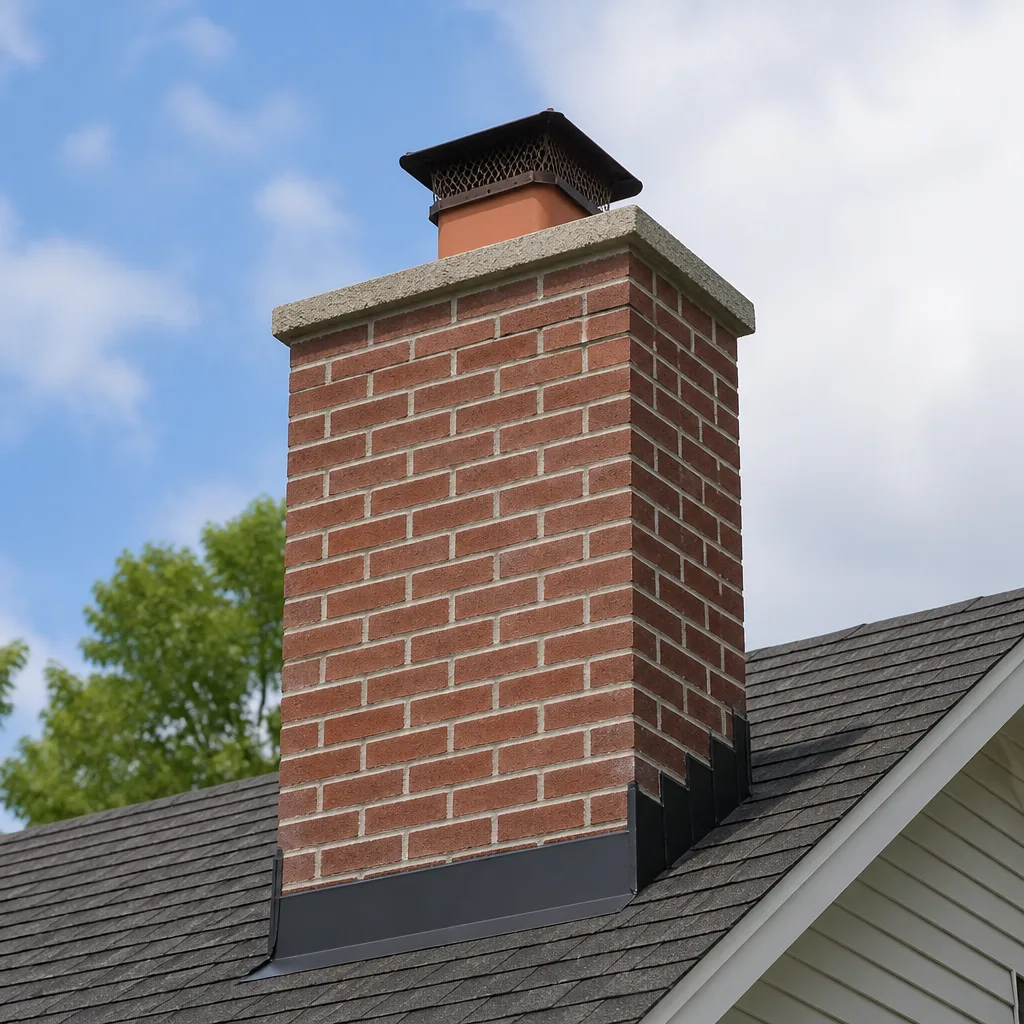 Masonry repair
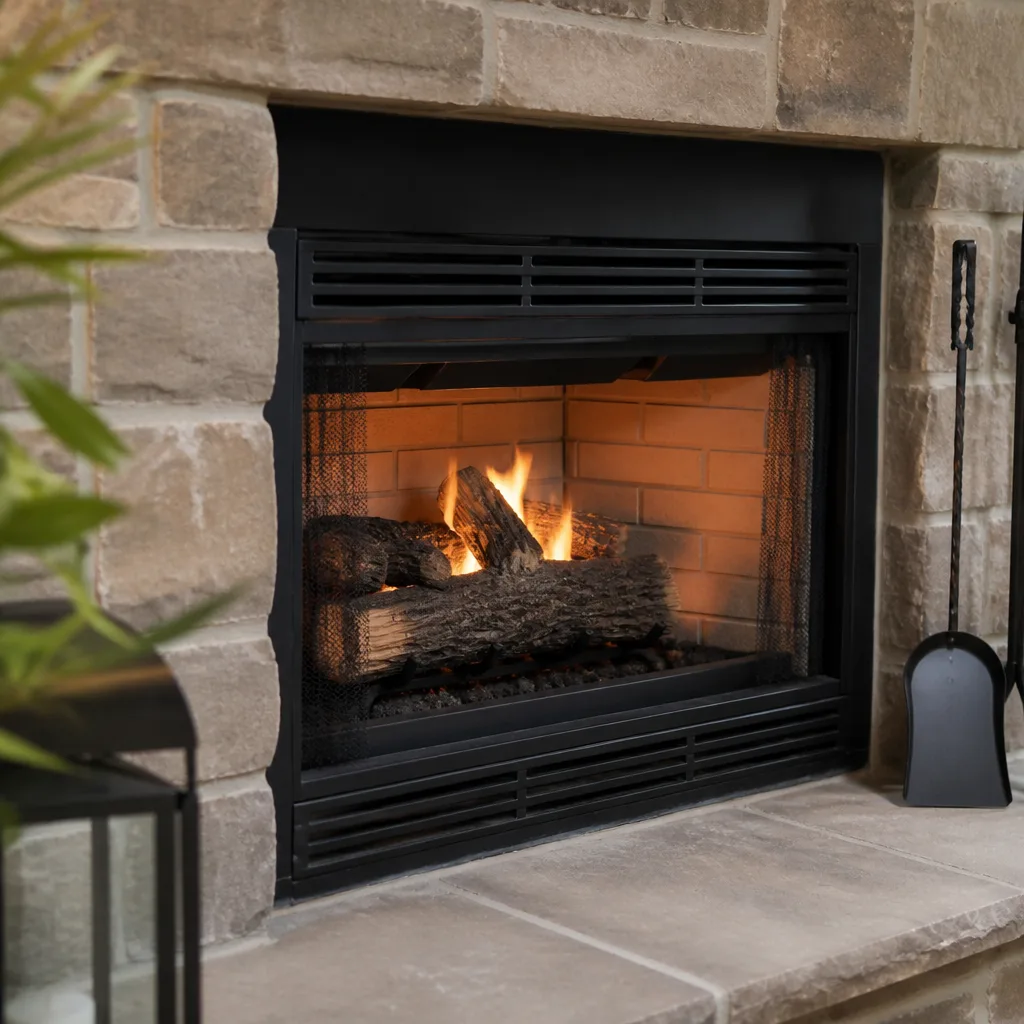 Gas fireplace service
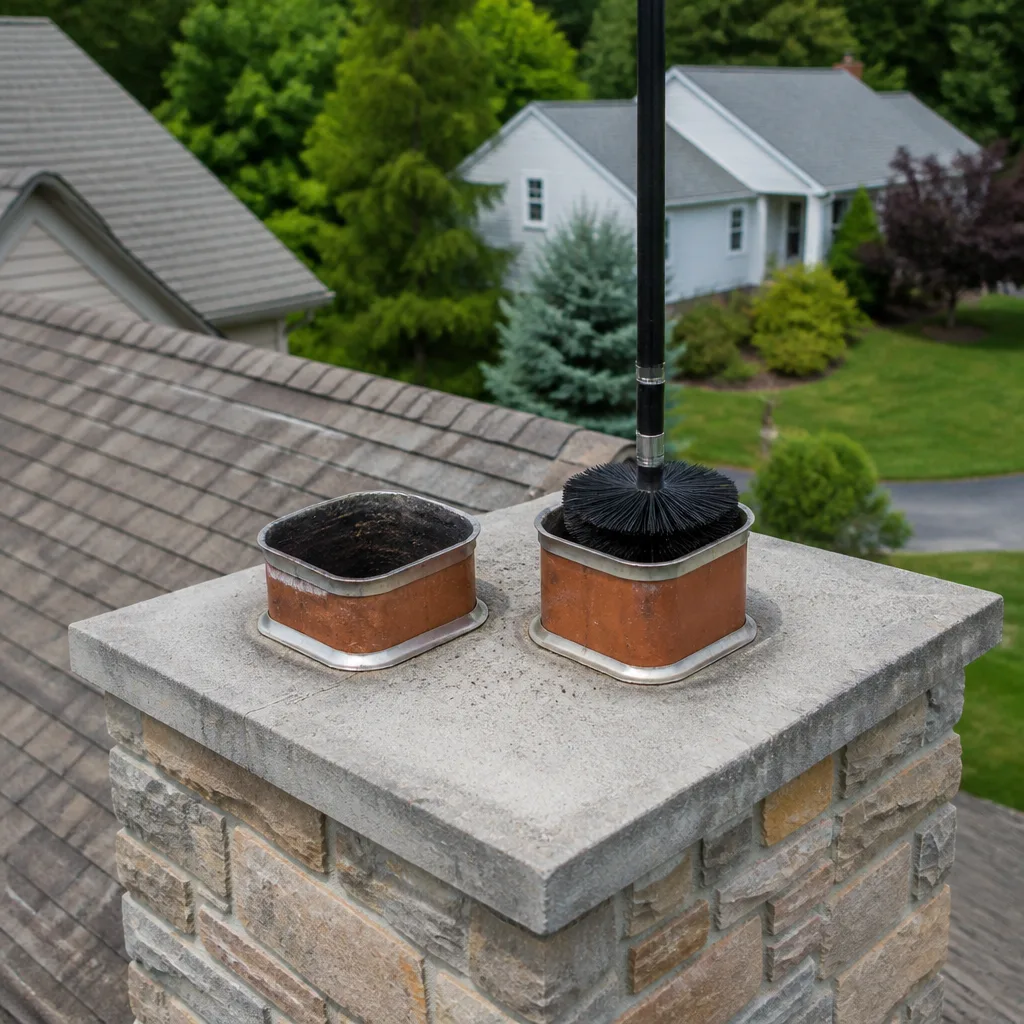
Level 1 sweep and inspection to the NFPA 211 annual standard - flue, crown, cap, and flashing checked and photographed
Chimney sweep logs do not sweep chimneys. They loosen some creosote - which then falls where a brush and vacuum still have to collect it.
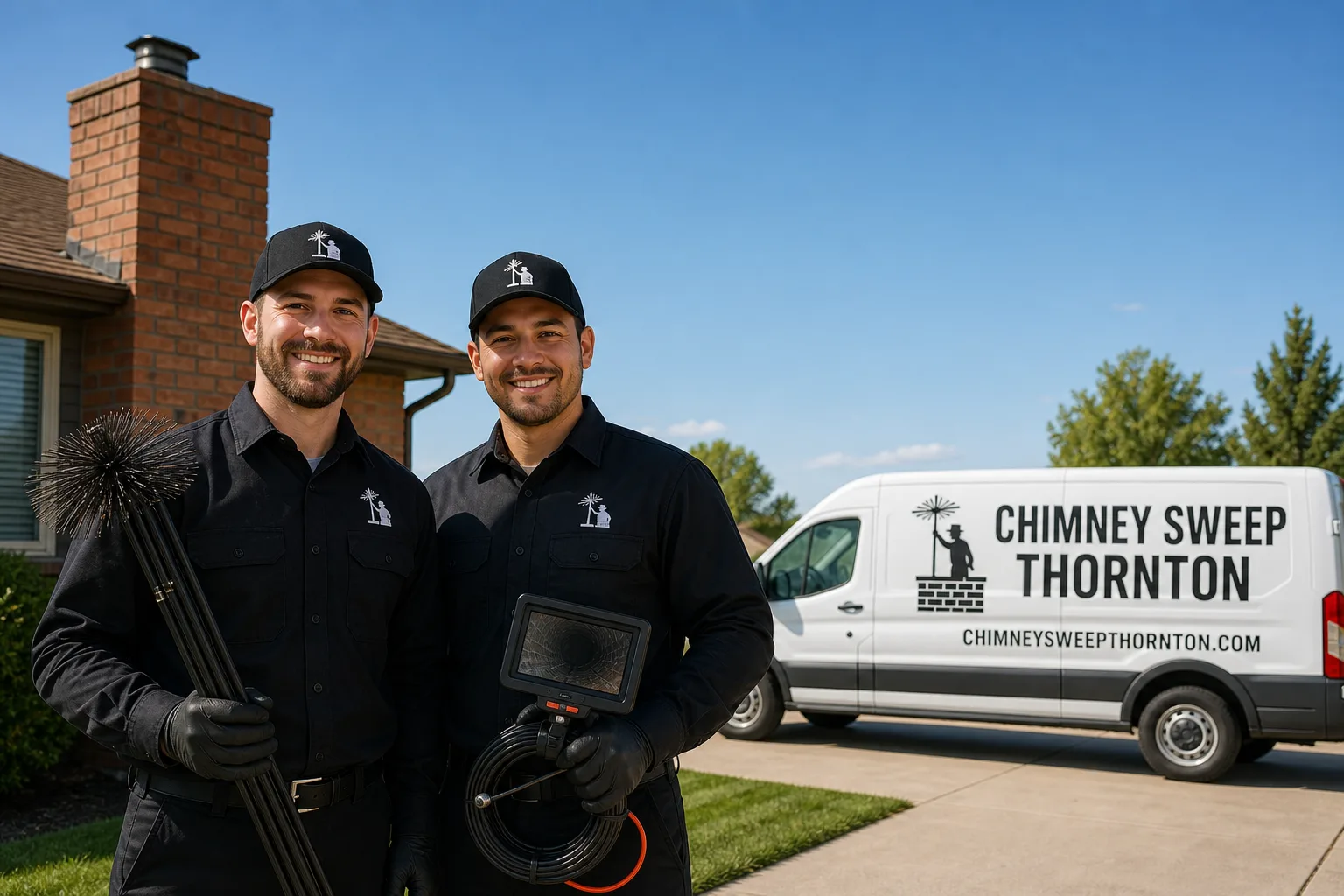
Trusted Chimney Repair for Thornton Homeowners
Cracked crowns, pulled flashing, rusted caps and flues that won’t hold a draft: chimney problems in Thornton tend to show up slowly and then matter all at once. Our technicians have up to 10 years of experience reading exactly what those symptoms mean before the first tool comes out. When a sweep turns up a failed liner or a crumbled mortar joint, we can quote and often start the repair the same day, so you’re not chasing a second contractor. Every recommendation comes with camera evidence you see yourself. For roofing, gutters or HVAC, call someone else; we stay in chimneys and venting. Call (866) 361-5660. We answer 24/7. Fast dispatch from 7am to 7pm, Sunday through Friday.
Chimney Cap Installation
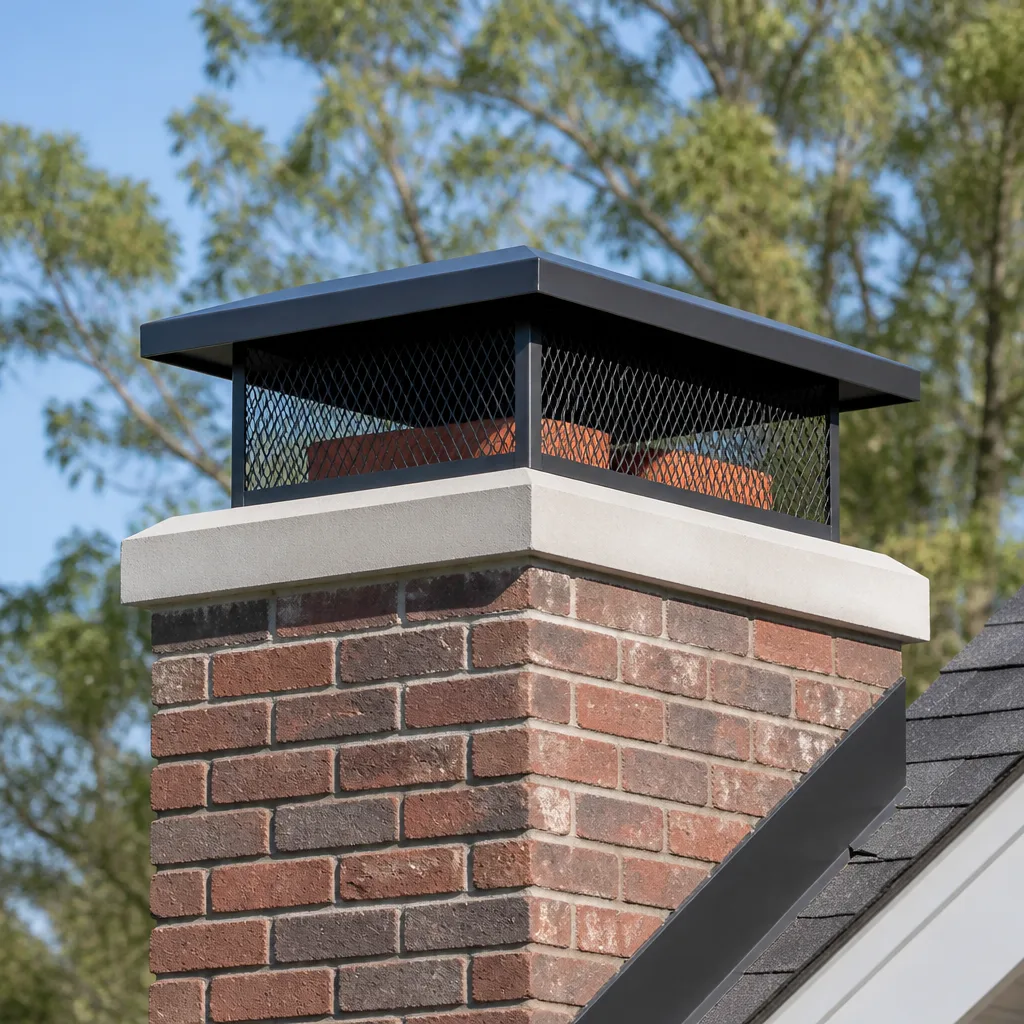
Chimney Cap Installation is the first line of defense against water, animals and downdrafts, and it’s one of the fastest upgrades we make. A proper cap is a screened, roofed hood sized to the flue opening, not a decorative topper. We carry caps from Gelco and Olympia Chimney and fit them to the actual tile or steel termination rather than a one-size guess. Typical installed cost in Thornton runs about $180 to $480 depending on the flue size and how much custom fabrication the termination needs. Bring us the cap you have in mind and we’ll tell you whether it fits your flue before we order.
Sizing the Cap to the Flue
A cap that’s too small restricts draft and a cap that’s too large lets wind shear lift it. We measure the outer dimensions of the clay tile or the metal collar, then match the screen window to the flue area. That measurement takes a minute and saves years of nuisance.
Screen and Draft Performance
Standard stainless mesh stops birds and sparks without choking the draft. For wood-burning chimneys we select mesh size by appliance type, and we check that the hood clearance matches your stack.
Styles & brands we work with
- Sweep & inspection
- Caps & crowns
- Flue relining
- Masonry repair
- Gas fireplace service
Chimney Cap Replacement
Chimney Cap Replacement is what you need when the existing cap has rusted through, come loose in a wind event, or collapsed screens that let squirrels into the flue. We remove the old cap, inspect the tile or collar underneath, and reset the new unit with proper fasteners and a sealant rated for high heat. A cap that’s simply reattached over rotten metal usually fails again within a season, so we replace rather than patch. Installation in Thornton typically runs about $220 to $520 depending on the anchor condition and whether we need to remove seized hardware. We also replace the whole cap when a mismatched model was thrown on by a previous contractor.
What to Look For on the Roof
Rust streaks on the flue tile, a cap that rocks when the wind blows, or a screen missing a section are all signs it’s time to replace rather than repair. You can spot most of these from the ground with binoculars.
Anchoring Into Real Masonry
Cap anchors need to bite into sound mortar, not spalling joints. If we find pitted mortar on the top course, we flag it before setting the new cap so the anchor holds for more than one season.
Chimney Liner Installation
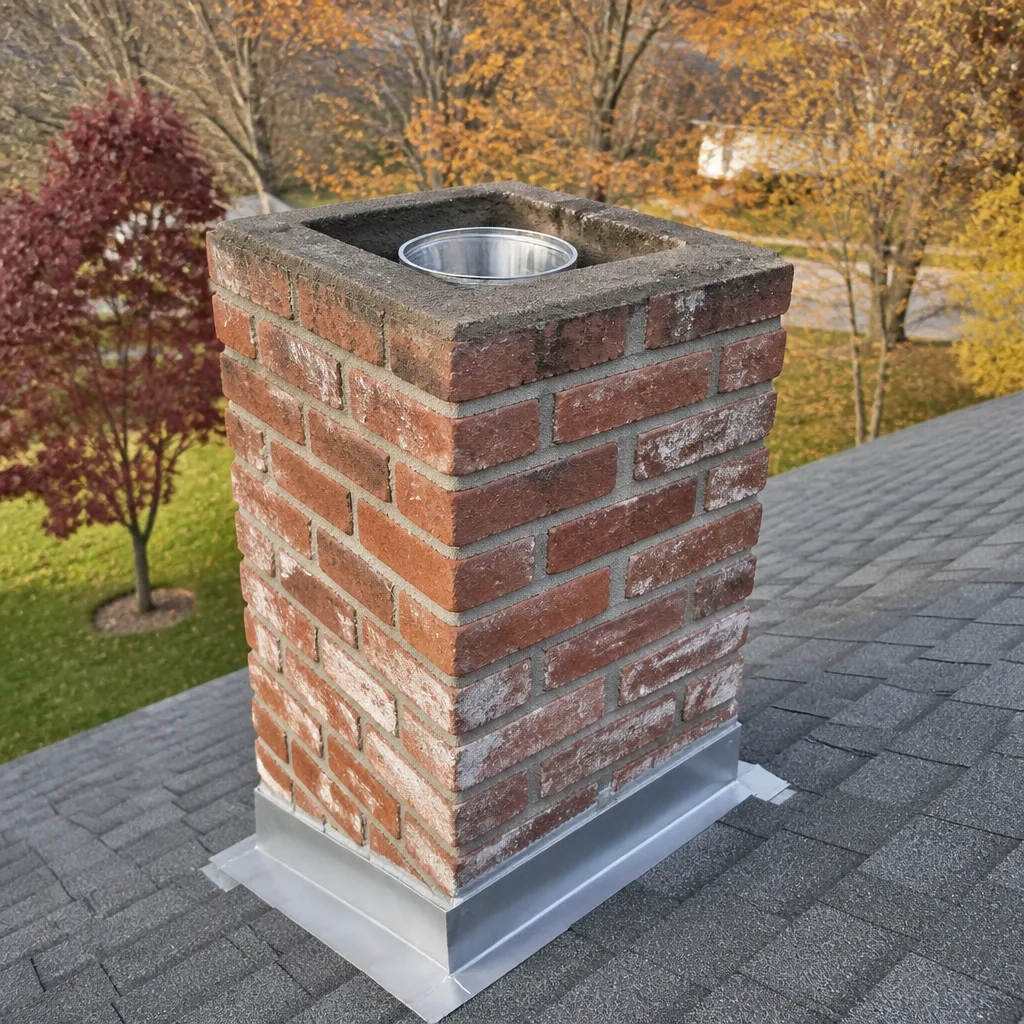
Chimney Liner Installation is the structural core of a safe chimney, and it’s the repair we install most often when a sweep finds a cracked or missing flue. The liner carries flue gases and protects the masonry from heat and creosote. When we reline, we use DuraFlex stainless systems sized to the appliance, with the connector and top plate specified for your flue. An insert or high-efficiency appliance usually needs an insulated liner to perform, and the flue must be clean and dimensionally verified first. Relining in Thornton runs about $2,600 to $5,800 depending on liner length, insulation and whether the old flue needs clearing. We do not recommend a liner without a camera record of the original flue.
Relining vs. Patching the Flue
Missing mortar joints or a hairline crack can sometimes be resurfaced with HeatShield. A flue with structural damage or a gap that reaches the surrounding masonry needs a liner. We show you the photos and explain which category your flue is in.
Insulation and Appliance Sizing
An uninsulated liner in a cold flue can underperform, especially with a gas appliance. Sizing the liner to the appliance outlet and adding insulation where the manufacturer requires it keeps the system predictable.
Chimney Flashing Repair
Chimney Flashing Repair addresses the metal collar where the chimney meets the roof, the single most common source of chimney-adjacent water intrusion. Flashing includes step flashing against the roof plane, counter flashing cut into the masonry, and the sealant or mortar that ties them together. When caulk is used as the primary seal instead of proper flashing, water finds the gap and shows up as a stain on the ceiling below the chimney. We remove failed sealant, reset or replace the flashing, and re-cut the counter flashing into the masonry. Repair in Thornton typically runs about $380 to $850 depending on roof pitch, flashing material and how much of the surrounding shingles need to be lifted. This is also where we most often find hidden rot on the chimney sidewall.
Reading a Water Stain
A stain low on the chimney chase usually points to failed flashing, while one near the ceiling suggests the cap or crown above is leaking. Matching the stain height to the roof line is the first diagnostic step.
Sealant Failures vs. Real Flashing
Caulk meant to last a few years can hold for a decade on a well-detailed joint, but it fails fast when it’s bridging a gap that should have metal. We replace the sealant with a proper flashing detail whenever the joint is wide enough to warrant it.
See the difference
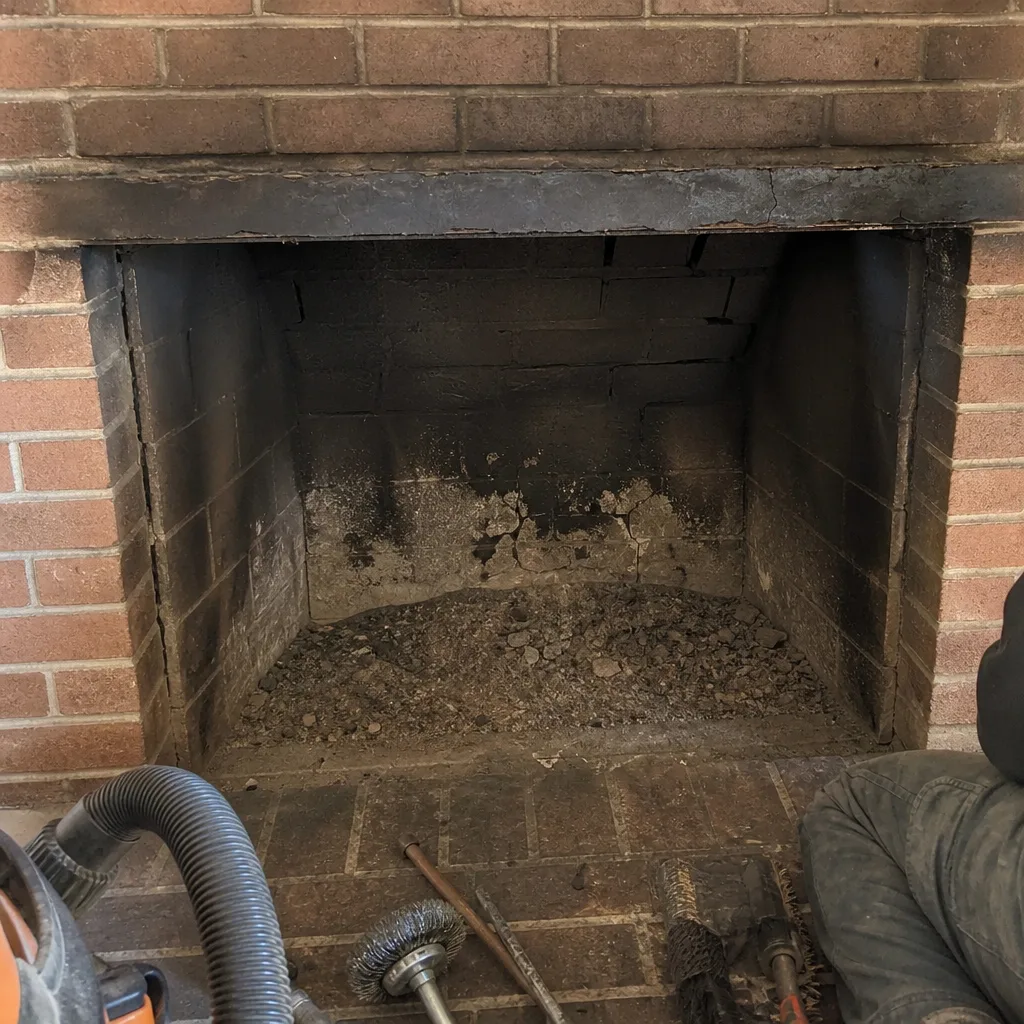 Before
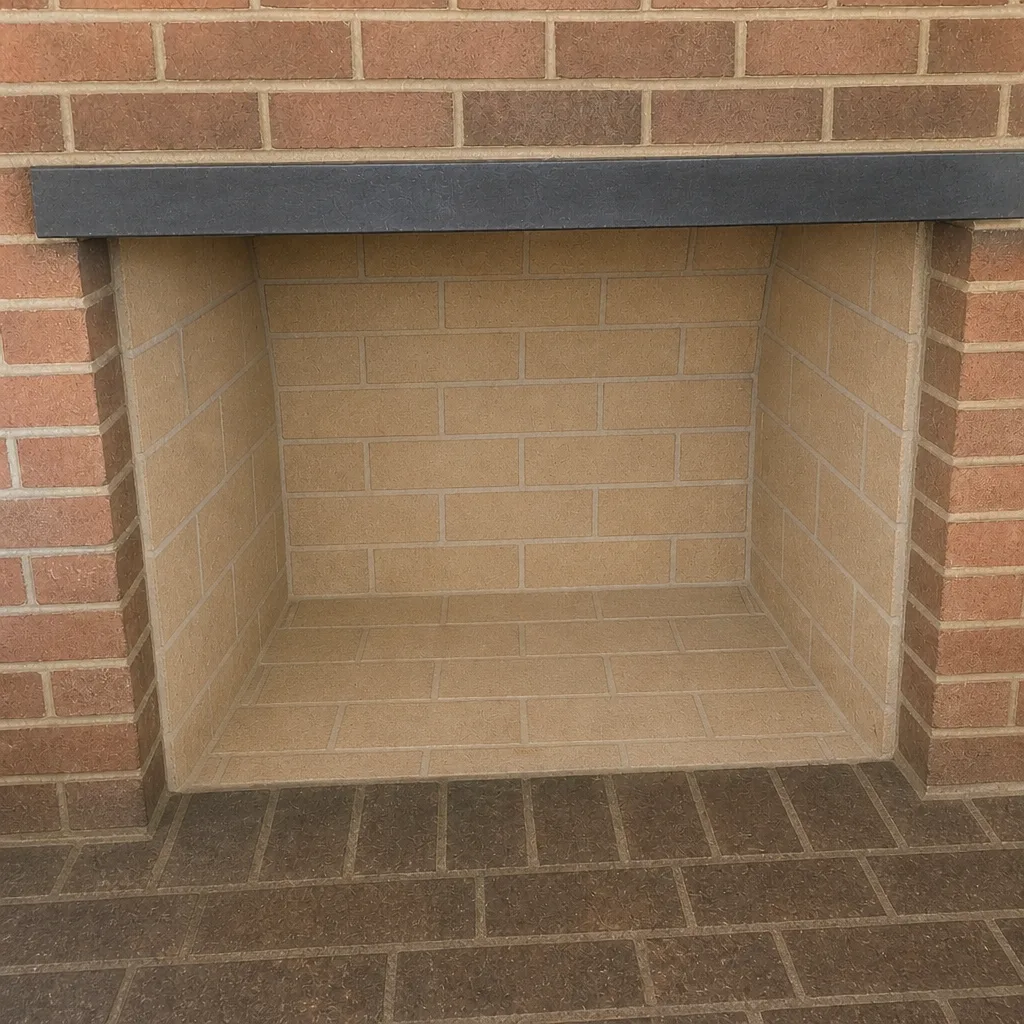 After
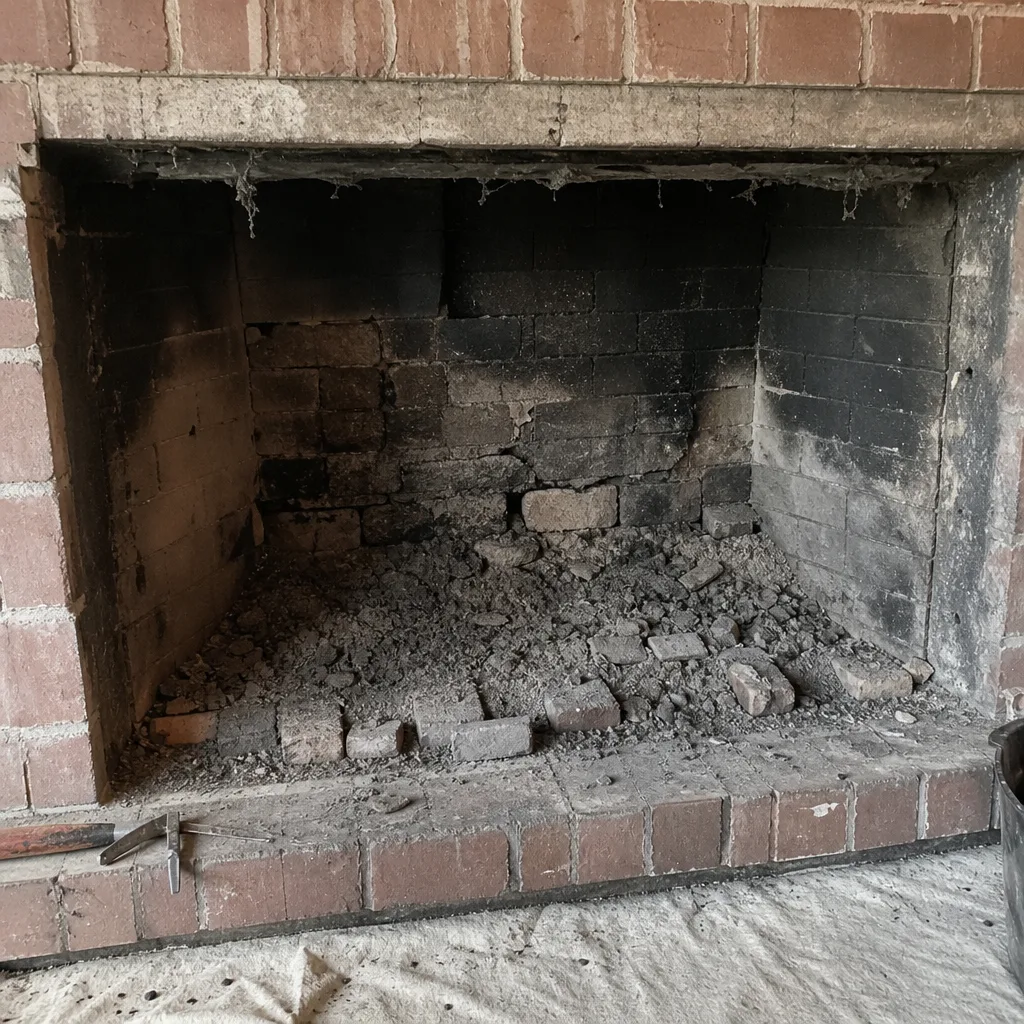 Before
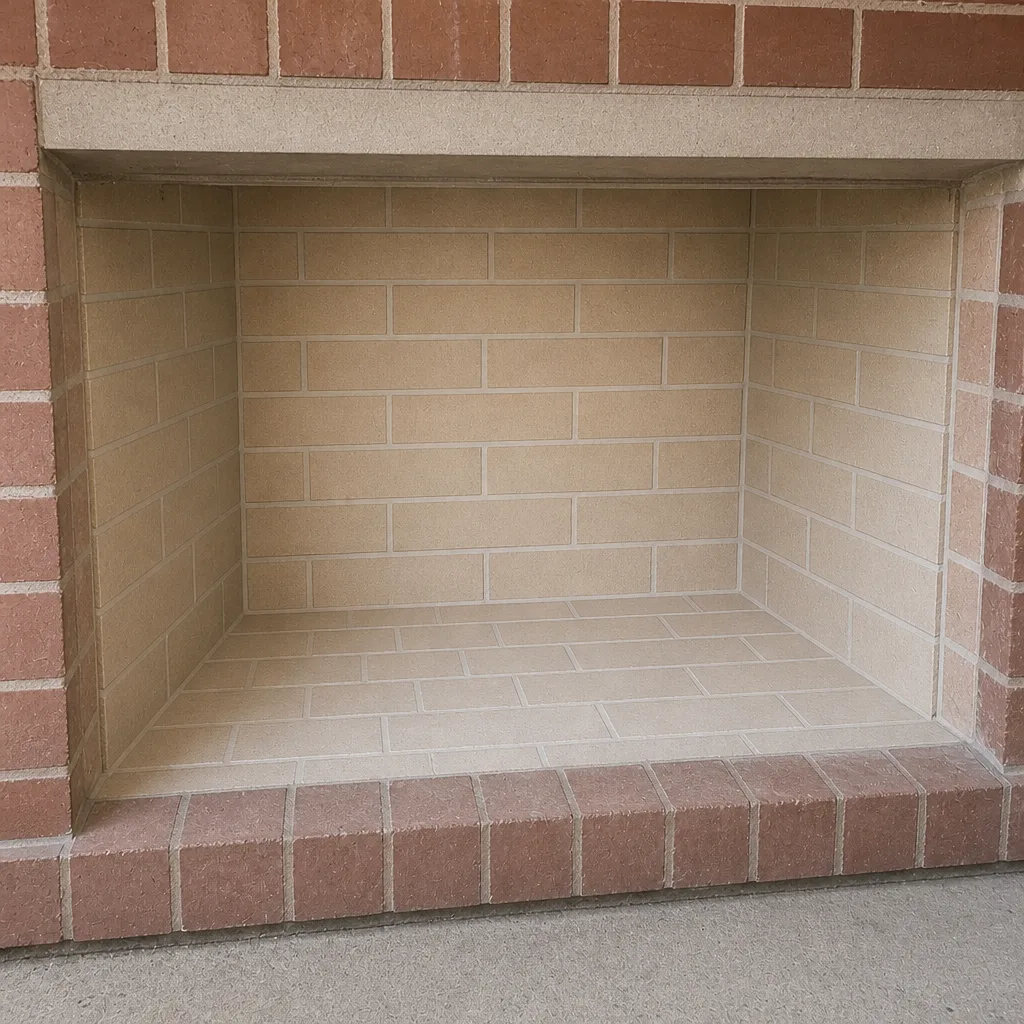 After
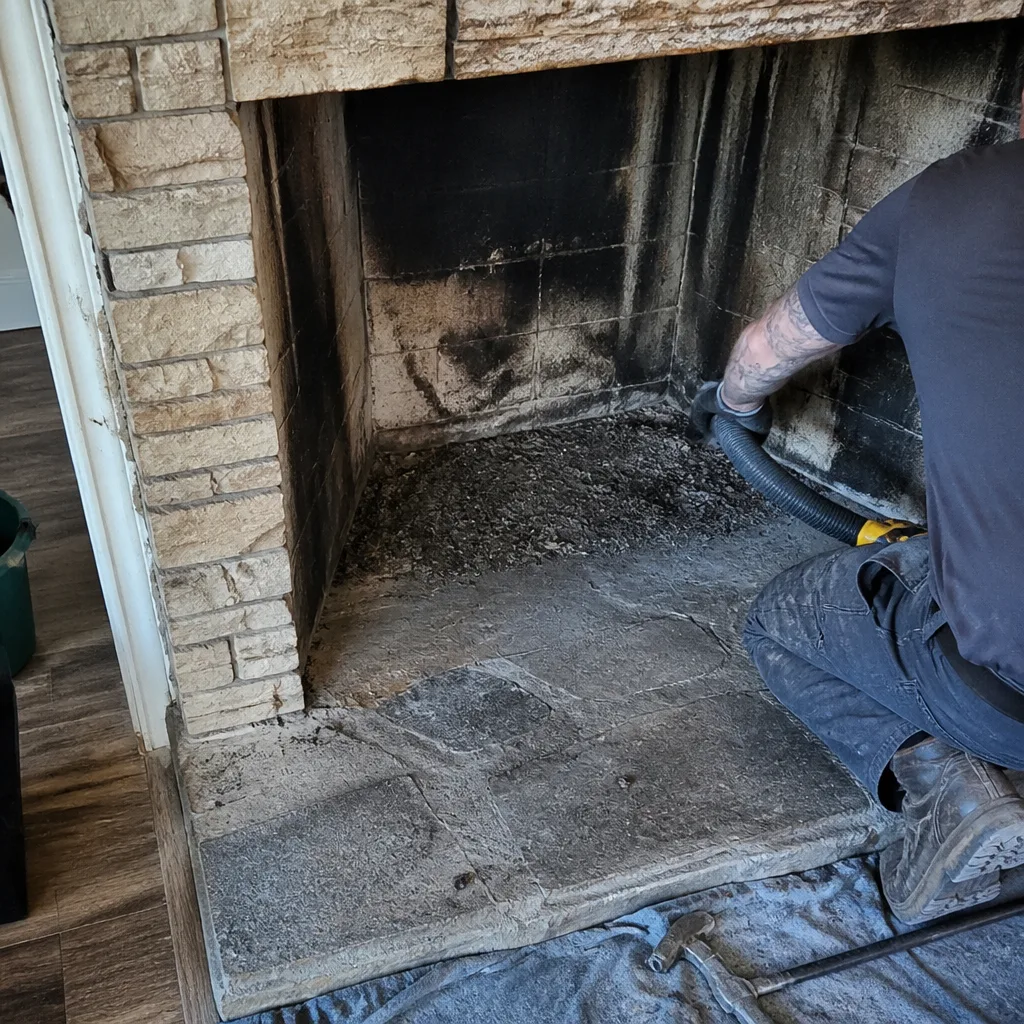 Before
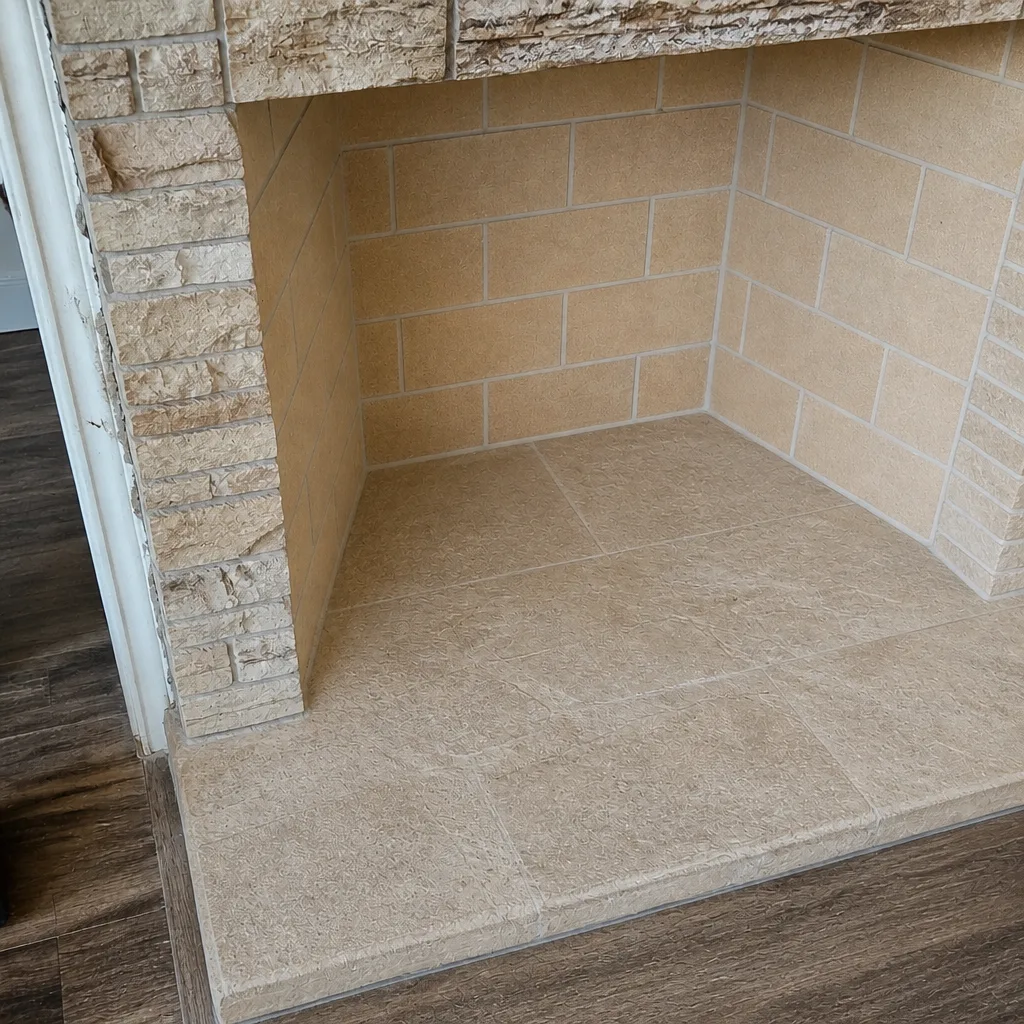 After
Chimney Crown Repair
Chimney Crown Repair fixes the concrete cap that slopes away from the flue to shed water, and it’s the first place we look when water shows up on the ceiling or runs down the outside of the chase. Cracks, spalling and a crown that no longer drains away from the flue are all signs of failure. We can patch minor cracks or rebuild the crown when it’s past saving. Repair in Thornton runs about $450 to $1,400 depending on the crown’s size and whether it needs full replacement. A properly sloped crown moves water off the stack and away from the flashing, which prevents the flashing failures we fix every week.
Why Crowns Crack
Freeze-thaw cycles work water into small cracks and widen them season after season. A crown with a chip near the flue edge is a candidate for resurfacing before the next freeze.
Rebuild vs. Resurface
A surface crack weeps water but a fracture that reaches the flue wall lets water into the flue liner. We test the crown before recommending a repair, so you don’t pay for resurfacing when a rebuild is the real answer.
Chimney Repair Companies
Chimney Repair Companies vary widely in what they’ll actually put their name on. Some sweepers call themselves repair companies but sub out any structural work to a mason; others are masons who stop at the brick and won’t touch a flue. We handle chimney sweep, dryer vent cleaning and chimney repair in-house under one roof, so a problem found during a cleaning can be quoted and scheduled without a second visit from a second trade. Typical repair costs in Thornton run from about $180 for a small fix up to $5,800 for a full reline, depending on the scope. We quote only from camera footage and a written estimate.
What to Ask Before You Hire
Ask whether the company does the repair itself or subcontracts masonry, and whether the estimate includes a camera inspection and written scope. A verbal number from a truck with no photos attached is a question mark, not a quote.
Reading a Written Estimate
A real estimate breaks the repair into materials, labor and any additional masonry that might be exposed once the chimney is open. It names the liner system or resurfacing product so you know what you’re getting.
Chimney Masonry Repair
Chimney Masonry Repair covers the structure above the roof line and around it: repointing spalled mortar joints, replacing cracked bricks, rebuilding a stack that’s leaned or lost its top courses, and repairing the shoulders where the chimney meets the roofline. Thornton’s freeze-thaw swings between a warm afternoon and a frozen night split mortar more than steady cold does, so this is work that genuinely benefits from early attention. Small repointing jobs run about $350 to $900, while a partial rebuild of the top courses runs about $1,200 to $3,400. We don’t hand structural masonry to a general handyman; the mortar mix has to match the brick, or the repair causes spalling elsewhere within a couple of seasons.
Why Thornton Masonry Needs Help
The front-range climate cycles water into small mortar cracks and freezes it overnight, and the expansion does the rest. A joint that looked tight in summer can spall by February.
Matching Mortar to Brick
Hard, high-Portland mortar against a soft clay brick is the most common reason repointing fails. Our technicians match the mortar type and color to the original brick, then cure it to weather back in.
Serving Thornton, CO – Our Local Coverage Area
We serve Thornton and nearby communities. Use the map below to see the area we cover. If you’re nearby, we can almost certainly help.
Brands We Service
We work with Gelco caps and Olympia Chimney components on cap and termination jobs, and we know where each brand wears out. Gelco’s screened stainless caps hold up well against wind lift, and Olympia’s anchor collars are forgiving when the top course is sound. For relining we install DuraFlex stainless systems, and when a flue has surface deterioration rather than structural damage, we resurface with HeatShield. Famco and Copperfield are in our rotation for venting components and stainless terminations, depending on the flue and appliance.
Because we only work in chimneys and dryer vents, our technicians learn each brand’s failure mode instead of guessing at a gener